Growing and Caring for Abelia
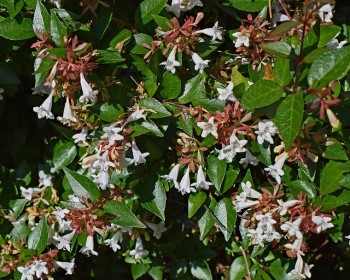
About thirty species of deciduous and evergreen shrubs make up the Abelia genus, which is well-known for its vivid leaves and extended bloom durations. Since contemporary DNA testing has shown that certain previously identified members of the genus were significantly different, there has been much debate regarding the Abelia genus itself. Different horticulture specialists identify distinct nomenclature structures that either reclassify these species as belonging to the Linnea genus or reduce the extent of the Abelia genus. There are a number of common identifiers for shrubs generally referred to as abelia. The pointy, oval-shaped leaves of these shrubs are frequently green or yellow with accents of pink, orange, bronze, or burgundy. Some are varied or multicolored, and some even undergo seasonal color changes. They frequently have tubular, white, pink, or yellow blooms. Abelia bushes have a lengthy blooming season that lasts from spring to fall, in contrast to many other flowering plants.
Abelia
Abelia
Caprifoliaceae
Shrub
2-10 feet tall and 2-8 feet wide
Thrives in full sun to partial shade
Loamy, moist, yet well-drained.
Grows best in acidic to neutral soil
Blooms in Spring, Summer, and Fall
Pink, Yellow, and White
4-11, USDA
Asia
How To Care Abelia
Abelia plants are very low maintenance and very easy to care for once they are established. Nevertheless, their vibrant leaves and extended blooming period provide the gardener with a lot of color and visual intrigue. Hummingbirds, butterflies, and other pollinators are drawn to their long-lasting blossoms, and their vivid foliage frequently changes color during the growing season. Although powder mildew, anthracnose, and aphids might cause issues, pests and diseases rarely damage these plants. These bushes are best planted in warm weather in the early spring or early fall. Pick a location with rich, well-draining soil and lots of sunshine. The very top of the root system should be slightly above the ground when planting the abelia in a hole that is twice as wide as the root structure.
Light
Both full sun and partial shade are suitable for growing abelia. On the other hand, growing them in full sun will promote healthier blooms and more vivid foliage hues. Some afternoon shade is beneficial for plants growing in hot summer climates.
Soil
Abelia plants can grow in a variety of soil types, but they prefer rich, wet, well-draining soil. Since these plants thrive in soil that is rich in organic content, it is advised to amend the soil with compost before planting. For best growth, the pH of the soil should be somewhat acidic.
Watering
Once established, these low-maintenance plants can withstand drought. They thrive, nevertheless, when given regular irrigation. Watering abelias once or twice a week will maintain them healthy and vibrant, especially during the hotter summer months. Before rewatering, let the soil start to dry up. For abelias, deep, infrequent watering is preferable to light, frequent watering.
Temperature & Humidity
USDA hardiness zones 4 through 11 are among the many climates in which abelia plants can be grown. Each variety's unique requirements determine the ideal growth zones.
Fertilizer
Soil rich in organic materials is beneficial to abelia shrubs. Every year, add compost to encourage healthy soil drainage and supply necessary nutrients. Abelias can also be given the boost they require for an additional year of growth by using a slow-release shrub fertilizer in the early spring.
Pruning
In the spring, cut off any dead or damaged wood. After that, deadhead frequently to promote additional blossoms throughout the summer. After flowering, cut any bloomed shoots to reshape and clean the shrub in late autumn. This task can be completed in the spring if you reside in a very cold climate. Using a pruning saw or loppers, trim some of the oldest, thickest stems from the base of an old, overgrown shrub to revitalize it. Cut back any branches that cross and remove up to one-third of the stems.
Propagating
You can propagate more abelia plants by taking softwood cuttings in early summer and hardwood cuttings in late summer. Remove a shoot from your shrub that is just above a leaf and longer than the finished cutting. The cutting should be no more than 10cm long; clip it just below a leaf joint and remove all of the leaves from the bottom half. Cut off the upper halves of the leaves that remain after the cutting. This prevents water loss during cutting. Push the cuttings into a 7cm pot of cuttings compost, leaving the lowest leaves just above the compost. Cover with a plastic bag and place in a bright location until the cuttings have rooted.
From Seed
Certain types of abelia shrubs, including the glossy abelia (Abelia x grandiflora), cannot be cultivated from seed. It is advisable to use cuttings for a replica because propagating abelia bushes from seeds will not recreate the parent plants. Growing abelia from seeds will result in new growth, although the color, aroma, and blossoms may vary. Here's how to develop abelia shrubs after gathering or buying seeds: Fill a container with potting soil or pick a sunny spot with soil that is wet, well-draining, and organically rich. After adding the seeds, press them firmly into the ground until they are fully covered. Use a spray bottle to keep the soil moist. Make sure seeds get adequate sunlight each day and avoid oversaturating them. The seeds will sprout and produce seedlings in a few weeks. After the last frost, move seedlings to their final site if they are growing in a container, or continue caring for outdoor plants.
Potting & Repotting
While some abelias remain little, others can grow to be rather tall. Plants that are small, such dwarf kinds, are ideal for container gardens. Before planting an abelia, make sure the pot has the right drainage holes. The ideal pot is one that will enable the plant to grow comfortably for a few years before it needs to be moved. Get a container that is about 8 inches bigger than the root system to accomplish this. Next, fill the pot with a lot of compost-rich soil, keep it moist, and set it in a sunny spot. If the plant outgrows its container, tilt it on its side and tap the entire container to gently dislodge the roots. Plant the root system in a new pot with a few inches of more room on both sides after sliding it out of the old one. Pour in plenty of water and quality soil.
Overwintering
Abelias don't need special attention to survive the winter when grown in their proper zones. However, in cold climates, container-grown plants could require further weather protection and should be relocated indoors or to a greenhouse.
How To Bloom
Abelia bushes are well-known for their tubular flowers, which bloom from spring till October. Each of these tiny blooms has four or five petals and is only a few inches long. They draw pollinators like hummingbirds and butterflies and can be seen in white, pink, or yellow. They smell good. Most of the time, these bushes blossom without any issues. Making sure the soil drains properly and the plant gets plenty of sunlight will promote a good bloom. Pruning too much can prevent flowers from blooming, so be careful.
Pests, diseases, and other problems
Abelia shows few, if any, issues when planted under ideal circumstances. Anthracnose and powdery mildew are examples of potential illnesses. Aphids are among the pests. Most of the time, deer will leave it alone, but in severe weather, they may graze on plants they otherwise wouldn't.