Growing and Caring for African Iris
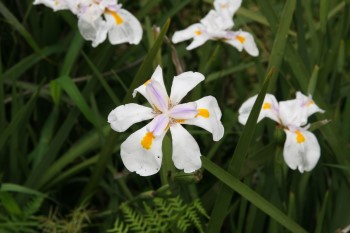
The African iris (Dietes iridioides) is an evergreen plant that thrives in warmer climates and has a long flowering season that lasts from spring to October. In zones 8 through 11, it can be grown as a perennial; in colder climates, it is typically grown as an annual. This plant is extremely drought-tolerant and grows best in full sun, however it can blossom in partial shade. Continue reading our guide on growing and caring.
African iris, fortnight lily
Dietes iridioides
Iridaceae
Perennial
2-4 feet tall and 3-4 feet broad
Thrives in full sun to partial shade
Moist and well-drained loamy
Prefers acidic soil
Blooms in Fall, summer, and spring
Blue, white
8-11, USDA
Africa
How To Care African Iris
The general maintenance needs for African iris growth are as follows: Comparatively low upkeep. Advantages of dividing frequently-at least every two to three years. Thrives in direct sunlight. Able to withstand drought.
Light
The African iris will bloom in partial sunshine, despite the fact that it prefers full sun. Blooms may not grow as robust in partial sunshine. If at all feasible, it should receive six hours of sunlight each day during its flowering season. For this perennial, afternoon sun is slightly stronger than morning sun.
Soil
Rich, well-drained loamy soil is ideal for these plants. While many irises don't care about the soil, the African iris needs enough drainage to maintain the health of its rhizomes. Before growing African iris in clay soil, improve drainage by adding compost or other amendments.
Watering
The African iris requires no extra treatment once it is established and is highly drought tolerant. It may require watering during periods of severe drought. It should receive frequent watering throughout the first two years, or immediately following planting.
Temperature & Humidity
The African iris, which originated in a tropical region, is not cold hardy and will not thrive as a perennial in areas with harsh winter temperatures. They may not thrive in regions with high summertime humidity since they are highly drought tolerant. To avoid any problems brought on by excessive moisture, divide them often to allow for air circulation.
Fertilizer
During the growing season, fertilizer can help the African iris. To encourage blossoms and deter insects, apply a simple all-purpose plant food in the spring and midsummer. To avoid burning the roots, apply fertilizer a few inches away from the plant.
Pruning
Examine African iris for overgrown leaves and withered flowers. To prevent harming the plant, make sure the garden shears or scissors are clean and sharp. To hydrate the plant and lessen the stress of trimming, water African iris the day before you intend to prune. Determine which African iris blossoms are dead. Dead flowers are usually dry, withered, and discolored. Cut off any dead blooms. Using a clean, sharp pair of shears, cut the African Iris flower stem as close to the base as you can without harming any new buds or leaves. Look for overgrown foliage on African iris, which is characterized by leaves that are encroaching on other plants or areas or that stretch way beyond the plant's natural shape. Cut off any excessive foliage on African iris. To promote water runoff and stop disease, make angled cuts at the base of the overgrown leaves. Steer clear of cutting into the plant's center, where new growth takes place. Once dead blooms and excessive leaves have been removed, shape the African iris as necessary. Instead of going for a carefully manicured look, go for a natural, clump-like form that promotes healthy development. Clean your tools and throw away any trimmings. Clean your shears to prevent spreading infections to other plants, and dispose of any dead blooms and foliage to prevent disease. Keep an eye out for new growth on African iris. When new blooms and leaves appear after trimming, it's a sign that the pruning was successful. After pruning, give African iris a little water to aid in healing. Make sure the soil is damp but not soggy.
Propagating
The greatest way to spread African iris is by division. Dividing the clumps solves the problems of crowding and inadequate air circulation in older clumps in addition to producing new plants. This can be done in the spring or fall in a warm climate. Using a shovel, remove the entire cluster. After shaking off any extra dirt, cut the rhizomes apart with a sharp spade. Throw away any unhealthy or imperfect rhizomes. The healthy ones should be planted in the landscape at the same depth as the parent plant.
From Seed
African iris can be grown from seed. Here's how: In the fall, collect the seeds from the pods. In the fall or after the final date of frost in the spring, plant seeds indoors. It is not necessary to soak or cold stratify the seeds. Plant on soil that drains properly and receives at least six hours of direct sunlight each day. Water often and sparingly. Within four weeks, seeds should start to sprout.
Potting & Repotting
Because African iris spreads by rhizomes, use a pot that is 1.5 times larger than the nursery container and broader than tall. Make sure it has big drainage holes as well. Add compost and well-draining potting mix to it. Remember that compared to plants in the landscape, container plants need more frequent feeding and watering. When the roots fill the pot, repot the plant in a larger container with new potting mix. The plant can also be divided and repotted in many containers.
Overwintering
This plant can be successfully cultivated as an annual in regions that are too cold for it to last the winter. Like other perennials that cannot withstand cold, like dahlias or cannas, it can be dug out, overwintered, and transplanted in the spring. If you intend to remove your African iris in the winter, brush off any excess dirt and let the rhizomes completely dry before storing them in sand or peat moss in a cool, dry location. When the weather has warmed up and there is no longer a risk of frost, they can be replanted in the spring.
How To Bloom
Make sure your African iris is receiving enough sunlight if it isn't flowering regularly. It requires five hours or more of direct sunlight each day. Additionally, you might try watering it more frequently to see whether the plant produces more flower buds when the soil is kept somewhat moist. Lastly, your plant will produce more flowers if you fertilize it on a regular basis.
Pests, diseases, and other problems
Aphids, iris borers, and nematodes are common pests of African iris. Scales covering the leaves may also have an impact on the plant. Yellow discolouration of the leaves is a sign that the soil is either too damp or too alkaline for the plant.