Growing and Caring for African Spear Plant
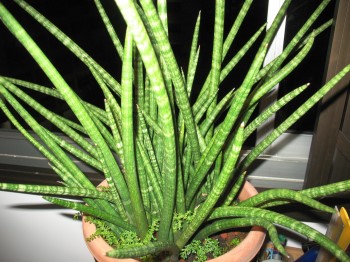
The African spear plant, often called the cylindrical snake plant, is a succulent houseplant with gray-green, delicately striped leaves that resemble spears and have pointed tips. African spear plants prefer early sun over afternoon sun and temperatures above 50°F. They thrive in hot, arid regions with sandy, well-draining soil. This plant is hazardous to pets.
African spear plant, spear sansevieria, and cylindrical snake plant
Dracaena angolensis
Dracaena
Succulent
1-2 feet wide and 4-6 feet tall
Thrives in full sun to partial shade
Sandy, well-drained
Prefers neutral soil
Blooms Occasionally
White
10-11, USDA
Africa
How To Care African Spear Plant
The following are the primary maintenance needs for African spear plants: Thrives well as a root-bound plant. Need less fertilizer and water. In winter, prefers to be ignored. Requires sandy soil that drains nicely. Give exposure to the morning sun rather than the intense afternoon sun.
Light
When it comes to lighting, African spear plants are very versatile. Although they can withstand low light, they do best in strong, indirect light. But in low light, growth is sluggish, and the leaves may not reach their full height. To prevent leaf burn, keep the plant out of direct sunlight.
Soil
African spear requires soil that drains well. Because it keeps water from building up around the roots, a cactus or succulent soil mix is perfect. To reduce the chance of root rot, pick a pot with drainage holes to let extra water out.
Watering
African spear is a succulent that resists drought because it retains water in its leaves. Water only once every two to three weeks, or until the soil is fully dry. Root rot, a typical problem with snake plants, can be caused by overwatering. Because the plant's development rate slows down during the colder months, water it less frequently throughout the winter.
Temperature & Humidity
Cold temperatures can harm or even kill these succulents, which usually flourish in hot, dry conditions. Ensure that they stay above 50°F. This involves shielding them from cool drafts, like those produced by air conditioners. As long as the soil is not saturated, humidity is typically not a problem.
Fertilizer
African spear plants don't need a lot of fertilizer and can survive in poor soil. From spring through fall, give them a monthly dose of a succulent fertilizer that has been diluted to half strength.
Pruning
This plant usually doesn't require trimming, but for aesthetic reasons, you can remove any yellowed or discolored leaves. Use sterile pruning shears to cut them at the root. This plant's long, spear-like leaves can also be braided for a beautiful appearance.
Propagating
Planting seeds, dividing, or replanting offshoots or "pups" when they emerge from the parent plant are all methods of propagating African spear plants. The optimum time to plant them is in the spring, when the growth season begins. They spread by creeping rhizomes beneath the earth and grow in dense clusters in the wild. African spear plants can be divided as follows: Two containers filled with fresh, well-draining potting mix are required. Take the plant out of the pot. A cluster of stems should be carefully separated from the main rootball. Place both clumps in new, peat-free compost pots. Fill the bottom of the pot with at least one inch of fresh dirt. Fill in the sides surrounding the new root section after placing it in the center of the pot. Give water, watching it drain out of the drain holes. Wait until the earth has totally dried up before watering it again. In the same manner as if you were dividing the plant, pups or offshoots that grow from the base of the parent plant can also be taken and put in a new pot. Cut out these young plants from the main plant and plant them individually only after they are at least 6 inches tall.
From Seed
Because seeds are more difficult to obtain and have a poor germination rate, seed propagation is more complicated than division. If germination takes place at all, it may take up to six weeks. African spear plants can be grown from seeds in the following ways: Soak seeds in water at room temperature for three to five days to get them ready for planting. Moisten the substrate by adding seed starting mix to a tiny container. Over the mixture, scatter the seeds. Apply a thin layer of mixture on top. The pot should be placed in a warm area with bright, indirect light at 68 to 80°F or on a warming mat. To simulate a greenhouse, cover the pot with a plastic bag or wrap. Open the plastic covering once a day to allow the plant to breathe fresh air for approximately one hour. When growth is observed, remove the plastic completely.
Potting & Repotting
In a pot, root-bound African spear plants can flourish. Once the roots begin to clearly emerge from the pot, you probably won't need to repot your container-grown plant more than once every few years. Its roots will still prefer being a little tight, so move it to a container that is only one size larger. Your plant may easily topple over if you don't have a sturdy, shallow, wide pot to support the weight of the leaves. Make sure the pot has enough drainage holes as well.
Overwintering
In the winter, African spear plants lie dormant. Wait longer between waterings in the winter than you did in the growing season. It should be sufficient to water around once a month. Additionally, you should avoid using fertilizer during the winter.
How To Bloom
In a container, African spear plants will sporadically blossom. The blooming of an African spear plant can happen in the winter in preparation for the spring growing season, but it is not a monthly occurrence. The African spear plant blooms for roughly two weeks if it does. They might not blossom the following year, and there is never a guarantee that they will. A flower stalk emerges from the base of an African spear plant during flowering. It resembles a single, unbranched, two to three-foot-long stem that is covered in many tiny, one-inch-long white flowers. They smell like delicious vanilla or jasmine, but they don't have a particularly striking appearance. Use a fertilizer high in phosphorus to promote blooming. While nitrogen promotes greater leaf formation, phosphorus stimulates plants to produce blooms and fruits. This plant does not benefit from deadheading.
Pests, diseases, and other problems
Despite being a hardy plant, African spear occasionally has a few problems: Yellow leaves are typically the result of overwatering. Before you water again, make sure the soil is totally dry. If necessary, modify your watering plan. Brown tips are frequently an indication of low humidity or irregular watering. Maintain a steady environment and adhere to a regular watering routine. Root rot can result from too much moisture, particularly in soil that drains properly. To avoid this problem, choose a potting mix that drains well and water sparingly.