Growing and Caring for Agastache
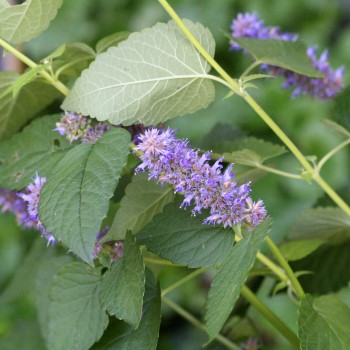
Agastache is a carefree herbaceous perennial with tubular flowers that attract bees, butterflies, and hummingbirds. The flower spikes, also known as anise hyssop, licorice mint, enormous hyssop, or hummingbird mint, are available in a variety of colors, from white to purple. This member of the mint family yields aromatic leaf that can be used to make tea, potpourri, and other culinary products.
Hummingbird mint, licorice mint, and giant hyssop
Agastache spp.
Lamiaceae
Perennial, herbaceous
1-3 feet wide and 3-5 feet tall
Thrives in full sun
Well-drained
Prefers acidic soil
Blooms in Summer
Red, pink, orange, blue, purple, and white.
3-10, USDA
North America, South America, and Asia
How To Care Agastache
Once planted, agastache requires little maintenance and returns year after year. Hummingbird mint and other agastache kinds may thrive for many years when cultivated in the right circumstances. Here are the primary care needs for cultivating an agastache: Plant it in a sunny spot with well-drained soil. Water it sparingly but thoroughly. Do not overfertilize it. It thrives in lean soil, with other plants that prefer similar growth conditions. Reduce wasted flower spikes to promote reblooming and increased growth during the bloom season. This inhibits it from self-seeding.
Light
Agastache like full sun and can survive the hottest sun of the day, so consider this when determining where to put it.
Soil
This desert shrub thrives on low-nutrient soils. Adding some sand to loamy soils can increase their suitability for producing agastache.
Watering
Although agastache is drought-tolerant once planted, it should be watered on a regular basis until good roots grow, then as needed. Overwintering might result in crown or root rot. throughout cooler, wetter locations, keep soil dry around plant bases throughout the winter.
Temperature & Humidity
This heat lover thrives in hotter climates and enjoys dry environments. Too much humidity can lead to root rot, fungal disease, and yellowing of the foliage. Provide enough air circulation.
Fertilizer
Agastache does not require additional fertilizer, but a top dressing of compost in fall will keep it healthy.
Pruning
Pinching new growth in the spring will help the plant grow bushier. Deadheading wasted blooms is optional, but it maintains the plant looking neater and inhibits agastache from laying seed and self-seeding, which it does prolifically. The amount of pruning required depends on whether the agastache is grown as a perennial or an annual. If you grow it as a perennial, prune it back by approximately one-third in the spring to promote new growth. Continue pinching and deadheading, but stop around midsummer since the new growth is sensitive to cold and may jeopardize the plant's survival in the winter. If grown as an annual, the plant can be pinched and deadheaded throughout the season.
Propagating
Agastache can be grown from seed or propagated by division of existing plants. Agastache grows as a perennial and can be split every three to five years. This will not only enhance your agastache supply but also invigorate your clump. In the fall, just dig out the rootball and cut it into two or more pieces with a sharp shovel. Replant immediately in sections of the garden that have comparable growth circumstances, and water well. In regions where agastache thrives as an annual or where its dependability as a perennial is uneven, then preserve seed to plant the following spring. Alternatively, as agastache self-seeds rapidly, transplant seedlings from around the parent plant, early spring. Keep in mind that these seedlings may not have the same color as the parent plant's leaves and flowers.
From Seed
Once planted, agastache spreads quite quickly from seed. To gather the seeds, allow them to develop on the plant until completely dried, but collect them before they open and spread. To gather the seeds, tip the seed heads upside down and place them in a bowl or paper bag. Agastache seeds require cold stratification to grow, thus the ideal technique is to straight sow them in the garden in the fall, exposing them to the winter's freezing temperatures: Gently press seeds into the loosened soil, no more than 1/4 inch deep. During the fall, moisten the seeds every several days. If your area receives snow in the winter, they will have enough moisture to sprout in the spring. If your winters are dry, giving the seeds an occasional light watering will help them grow when the temperatures warm up in the spring.
Potting & Repotting
Agastache may be cultivated in pots as long as you allow adequate space for the plant's extensive root system. Select a container with wide drainage holes and at least two to three inches larger in diameter than the nursery pot. Giant hyssop grows quite tall and is more likely to collapse over, so you may be better off with a dwarf type. Use well-draining potting soil, and remember that container-grown plants require more regular watering and fertilization than landscape plants. When the plant's root system has filled the pot, repot it into a bigger container with fresh potting soil.
Overwintering
A perennial agastache cultivar that is hardy in your climate does not require winter protection. The plant goes dormant in the fall, so don't clip the dead brown stems back just yet. Leave them on the plant and just clip them down to the ground in the spring to allow for fresh growth.
How To Bloom
The plant is appreciated for its long-lasting blooms. Unlike other perennial flowers, it usually blooms in its first year. If it does not bloom, it is usually because the soil has been overfertilized. Agastache flowers vary widely according on kind and region, but they often bloom in the summer, from midsummer to late summer, and even into early October. When cultivated in perfect conditions, it can bloom for months and throughout the summer.
Pests, diseases, and other problems
When grown properly, agastache has few pests or illnesses. Pests might include spider mites, thrips, aphids, whiteflies, and slugs. Powdery mildew, rust, botrytis, leaf spot, leaf blight, and root rot are examples of diseases caused mostly by moist soil or high humidity.