Growing and Caring for Agave
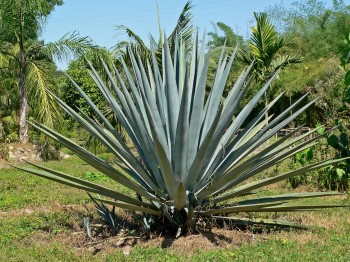
Agave plants, with their huge leaves and spiky points, provide a dramatic presence in any garden or indoor setting. With over 250 kinds, succulents range from little, dish-sized variety to those that reach over 10 feet. To effectively grow agave plants, you must first understand their predilection for rocky, sandy soil and full light. By following these guidelines, you may keep your agave healthy and bright year-round. Raw agave sap is hazardous to both humans and dogs.
Agave, century plant
Agave
Asparagaceae
Perennial and succulent
1-20 feet tall and 1-10 feet broad.
Thrives in full sun
Sandy, well-drained
Grows best in acidic to neutral soil
Varies; the most only bloom once in their lifespan.
Green, white, and yellow
5-11, USDA
North, Central, and South America
How To Care Agave
Here are the primary care needs for developing an agave plant: It requires well-drained soil, such as rocky, sandy, or cactus soil. Requires full sun and at least six hours of light every day. Plant during the spring or early fall. Prefers neutral to slightly acidic soils. Grows poorly in humid conditions. Hold off on the fertilizer. Water only when the ground is dry. Grows nicely in indoor pots.
Light
Agave plants prefer full-sun exposure, which means at least six hours of direct sunlight per day. However, they can withstand a little shade. The hotter the weather, the more shade they can tolerate.
Soil
Agaves are highly adaptive. Soils with minimal clay concentration are good. Texture may be sandy or rough. In places with high rainfall, well-drained soil is required.
Watering
Mature agave plants are extremely drought resistant. Water them only if the soil has been absolutely dry for an extended period of time and there has been no rain. However, when starting a plant, water it every four or five days during the first month. Water once a week at first, then every other week, depending on rainfall.
Temperature & Humidity
Most agave plants cannot resist cold and can only grow as far north as USDA growth zones 8 and 9. However, certain plants, such as Agave parryi, are perennials up to zone 5. Furthermore, most agaves favor low-humidity conditions. High humidity can cause crown rot on plants.
Fertilizer
Agave plants do not normally require feeding. Feeding promotes flowering, which should not occur too soon because most agave plants die after flowering.
Pruning
Although agave plants do not require trimming on a regular basis, dead or damaged leaves may need to be trimmed on occasion. To trim an agave plant, remove the dead or damaged leaves around the plant's base with a clean, sharp pair of shears, pruning scissors, or a knife. It is ideal to trim the plant throughout the summer, when it is actively growing. Wear gloves to protect your skin from the sharp spines found on some varieties of agave plants. Consider snipping off the spines using secateurs. This will not harm the plant, but make sure you do not cut the leaf margins.
Propagating
Pups can be separated from the parent plant to produce more of a good thing. In addition to offspring that sprout from the roots, certain agaves produce plantlets on their bloom stalk. Both pups and plantlets can be removed and planted in separate pots.
From Seed
Agaves are often easy to cultivate from seeds. Seedlings should emerge a few weeks after seeding. Fill a shallow, drainage-holed container with seed-starting mix. Spread the agave seeds on top. Lightly wet the growth medium. Place plastic wrap over the container. Place the container in an area that receives bright, indirect sunshine and is above 70°F. When you detect seedlings emerging, remove the plastic wrap. If the plant is in the right zone for year-round outdoor growth, gradually adapt it to outdoor life a few hours at a time, increasing the amount of time spent outside each day before moving the seedling outside.
Potting & Repotting
Many agave species have shallow roots, which is common among succulent plants. They do not require much soil, so you may plant them in a small pot. Just make sure the container is strong and can sustain the weight of the plant. An unglazed clay pot is ideal because it allows excess soil moisture to evaporate through the walls. Also, ensure sure the container has enough drainage holes. Choose a succulent-specific potting mix that drains effectively. In the summer, water the container once a week; in the winter, it should be watered monthly. Before watering, wait until the earth has dried a few inches down. Plan to repot or transfer your agave plant every few years as it grows. The ideal times are in the spring and summer. Use a slightly bigger container and new potting mix. Once the plant is grown, you can leave it in the same container, but be sure to replace the potting mix every few years.
Overwintering
Agaves planted outside of their hardiness zones must be maintained indoors throughout the winter. Bring them in before there is any chance of frost in the forecast. Keep the container beside the brightest window and away from chilly drafts. Use water sparingly during the winter. A decent rule of thumb is to water only enough to keep the leaves lush.
How To Bloom
Agaves are cultivated for their striking leaves. It is monocarpic, which means it will only bloom once throughout its lifespan. Most agave species perish after their blossoms form berry seed pods. Giving agave fertilizer might cause it to blossom early. After 10 to 20 years of maturation, the agave will bloom in the spring or summer. The flowering period lasts three to four months, starting with a massive central floral stalk that produces blooms and releases seeds. The tall flower stem can reach 15 to 35 feet in height. Each blossom on the flowering stalk lasts around one month. The primary plant dies after flowering, therefore reblooming is impossible.
Pests, diseases, and other problems
Agaves seldom have issues when grown under optimal circumstances. However, some environmental factors might cause a plant to suffer. Drooping leaves might indicate the presence of the agave snout weevil. However, they may also be caused by inappropriate irrigation. Overwintering may cause the roots to decay. As a result, the leaves are unable to absorb moisture and nutrients from the soil, causing them to droop. Make sure you leave enough time between waterings for the top few inches of soil to dry out. Overwintering is a typical cause of yellowing leaves in agave plants. Yellow leaves can also be caused by a lack of sunshine, which reduces the plant's brightness. Monitor your plant throughout the day to ensure that it is not shaded for extended periods of time. If so, consider transferring it to a sunny location.