Growing and Caring for Aglaonema Pictum Tricolor
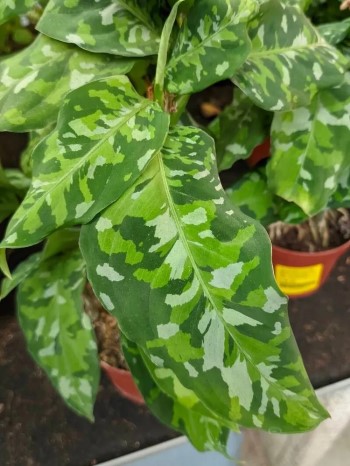
The Aglaonema pictum tricolor is a gorgeous variegated plant with glossy, oval leaves and a camouflage-like variegation pattern. It belongs to the Aglaonema genus (often known as Chinese evergreens) and the Araceae family. As the name implies, this specific variation of Aglaonema pictum is distinguished by three shades of green on its leaves, whilst other similar-looking kinds may only have two. Because of its popularity, the Aglaonema pictum tricolor is considered uncommon and can be difficult to locate as well as expensive to purchase. If you do get one and have pets, you should be informed that the pictum tricolor, like all plants in the Aglaonema genus, is considered harmful to them.
Aglaonema pictum tricolor
Camouflage plant
Araceae
Perennial and shrub
2 feet tall (indoors).
Thrives partial shade
Moist yet well-drained.
Prefers acidic soil
Blooms in Spring and Summer
Green and white
10-12, USDA
Asia
How To Care Aglaonema Pictum Tricolor
While it might be difficult to locate, Aglaoena pictum tricolor is a popular houseplant that thrives indoors. This richly variegated plant is native to Asia's subtropical areas and grows naturally as a shrub in the forest understory. As a result, it prefers dappled light, mild temperatures, and humid circumstances. While this shrub blossoms easily in its natural environment, it is less likely to flower inside, so don't be concerned if your plant isn't blooming.
Light
This tropical plant thrives with many hours of bright, indirect light. Never expose your Aglaonema pictum tricolor to direct sunlight, especially the intense afternoon sun, since this will scorch the variegated leaves. However, small bouts of early sunshine, which is less strong than afternoon light, are typically OK.
Soil
The pictum tricolor, like other plants in the Aglaonema genus, thrives under constantly wet environments but is susceptible to root rot. This implies it should be planted on soil that holds some water but drains efficiently. A permeable potting mix supplemented with a variety of organic ingredients is suitable.
Watering
Like other Aglaonema types, Aglaonema 'Pictum Tricolor' loves to be watered when the top inch of soil feels dry. Water the plant well, allowing excess water to run out of the pot. Avoid letting the plant stay in water, since this might lead to root rot. It's critical that your pot has sufficient drainage to keep water from pooling at the bottom. During the growing season (spring and summer), Aglaonema 'Pictum Tricolor' requires more regular watering, however in the fall and winter, the plant's development slows and watering can be reduced. Always check the soil's moisture level before watering to avoid overwatering. If your plant is in a container with poor drainage, be very cautious while watering, since water can become trapped at the bottom and cause root rot. For people who live in locations with hard water, utilizing filtered or distilled water might help prevent mineral accumulation in the soil.
Temperature & Humidity
This plant thrives in warm, humid environments, making it excellent for indoor growth. Aglaonema pictum tricolor cannot withstand temperatures below 60°F and prefers humidity above 65%. This most likely indicates that you will need to set it near a tiny humidifier or in a naturally humid environment, such as a bathroom. Alternatively, Aglaonema pictum tricolor makes a wonderful greenhouse cabinet plant.
Fertilizer
Aglaonema 'Pictum Tricolor' requires frequent feeding during its active growing season to maintain good development and colorful leaves. Use a balanced, water-soluble fertilizer that has been diluted to half its recommended strength. Fertilize once a month during the spring and summer to promote healthy growth and vivid foliage. Reduce fertilizing in the fall and winter when the plant's development slows. Over-fertilization during the dormant season can cause fertilizer burn or salt accumulation in the soil, which can injure the roots. It's also vital to repot the plant every few years to keep the soil from getting compacted or devoid of nutrients. Repotting allows you to check the roots and ensure they are healthy.
Pruning
Aglaonema 'Pictum Tricolor' does not require much pruning, however you may keep its form by removing yellowing or broken leaves. This will allow the plant to spend its energy on future growth. Simply use clean, sharp scissors or pruning shears to clip the leaf at its base. If you observe the plant looking lanky or sparse, trim back some of the longer stems to promote fuller growth. Keep an eye out for symptoms of pest infestation, such as mealybugs, spider mites, or scale insects, and treat the plant with insecticidal soap or neem oil as needed. Regularly washing the leaves with a moist cloth will help maintain the plant clean and free from dust, allowing it to better absorb light. Be cautious when cleaning the leaves, since they are delicate and can tear easily.
Propagating
Aglaonema 'Pictum Tricolor' may be grown via stem cuttings. Here's how to propagate your plant: Choose a Healthy Stem: Choose a healthy stem that has at least a few leaves. Use clean, sharp scissors to cut the stem right below a leaf node. Prepare the Cutting: Remove any lower leaves from the cutting, leaving a few leaves on top. Root the Cutting: You can propagate the cutting in water or immediately in a container of well-drained potting soil. If you're rooted in water, replace it every several days to stay fresh. Wait for Roots. Keep the cutting in a warm, bright area with indirect lighting. The cutting should take 2-4 weeks to root, depending on temperature and humidity. Transplant: Once the cutting develops roots, place it in a tiny pot with new potting mix. Continue to look after it as you would a mature plant. Propagation via stem cuttings is simple and may be a fun method to extend your collection or share plants with friends.
From Seed
While many plants may be grown from seeds, this is not a frequent or reliable technique for Aglaonema pictum tricolor. Due to the plant's sluggish development and the difficulty in germinating seeds, most fans opt for vegetative multiplication methods such stem cuttings or division, which offer faster and more consistent results. Seeds are very difficult to get, and developing from seed might take years before a plant reaches maturity.
Potting & Repotting
These variegated plants are known for their sluggish growth and hence do not require frequent repottery. All that is necessary is to repot the plant every 2 to 3 years (or when it has outgrown its current container). Look for evidence that your plant has outgrown its pot, such as roots growing through the drainage holes or roots round the inside of the pot. Then, select a pot that is only 2 to 4 inches larger than the previous pot. Moving your plant to a too big container too fast might cause unintended overwatering.
Overwintering
To overwinter Aglaonema Pictum Tricolor, maintain it warm, limit watering considerably (leave the soil dry), provide strong indirect light (use grow lights if necessary), maintain humidity (humidifier/pebble tray), and cease feeding to prevent root rot and promote the dormant winter phase. For bright foliage, shield it from chilly breezes and poor light.
How To Bloom
Aglaonema Pictum Tricolor is appreciated for its leaves, but to get it to blossom, you'll need high humidity, moderate temperatures, well-draining soil, bright, indirect light, and regular, but not wet, watering (let the topsoil dry); Healthy, contented plants frequently bloom in late spring or early summer as a sign of good care, or occasionally under stress. However, as flowers consume energy, trimming them promotes leaf development.
Pests, diseases, and other problems
This tropical plant is resistant to most pests and diseases, although it is vulnerable to a few typical houseplant pests. Keep an eye out for aphids, mealybugs, and spider mites, and if you notice any, treat your plant with neem oil or a houseplant-specific pesticide. Be mindful that overwatering or leaving these plants in wet circumstances might cause root rot.