Growing and Caring for Alocasia Maharani
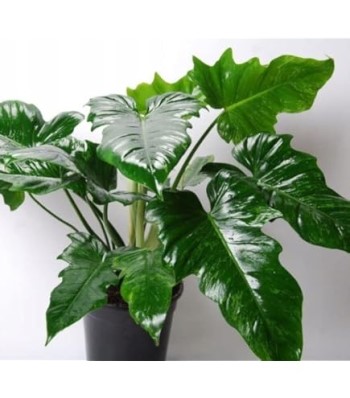
Alocasia "Maharani," also known as the Grey Dragon Alocasia or Jewel Alocasia, is a fascinating and small hybrid cultivar that is well-known for its beautifully textured and distinctively colored leaf. A new popularity among collectors, this remarkable perennial aroid has thick, leathery, dark green to almost black leaves with pronounced, elevated, silvery-white veins that give them a distinctive "dragon scale" or reptile look. An additional layer of visual appeal is provided by the leaves' undersides, which are sometimes a striking burgundy or reddish hue. It is a perfect specimen plant for interior settings because of its erect, bushy growth habit and modest stature, which offer a hint of exotic drama and prehistoric beauty.
Alocasia maharani
African mask maharani, Alocasia grey dragon
Araceae
Perennial and corm
14 inches high (indoors)
Thrives partial shade
Moist, yet well-drained
Prefers acidic soil
Blooms in Spring and summer
Green and white
10, USDA
Asia
How To Care Alocasia Maharani
When it comes to Alocasias, taking care of the maharani is similar to taking care of other houseplant kinds. Compared to other cultivars, such as the Alocasia dragon scale, some growers believe the maharani to be simpler to maintain. Alocasias are not the hardiest houseplants on the block and are all known to be a little finicky about their growth conditions. When it comes to their maintenance, the most crucial thing to keep in mind is that they require constant wetness to live inside. You can't neglect to water this houseplant for several weeks at a time!
Light
prefers indirect, strong light. Direct sunshine may soon burn its delicate leaves, even though it needs optimum lighting for maximum color and development. Lethargic development and less noticeable texture/veining might result from inadequate light.
Soil
needs a very rich, airy, and well-draining potting mix. To guarantee enough aeration and avoid root rot, an Aroid-specific blend with ingredients like coco coir, perlite, orchid bark, & worm castings is strongly advised.
Watering
When the top 1 or 2 inches of soil feel dry, give it a good watering. It needs steady hydration to flourish, but if left in damp circumstances, it is very prone to root rot. During chilly, semi-dormant times, drastically cut back on watering.
Temperature & Humidity
Native to Southeast Asia, this Alocasia is used to warm, humid climates. The Alocasia maharani thrives in ordinary household temperatures and humidity levels, despite the fact that many homes tend to be drier. But if you give it a little more dampness, it will flourish. Consider growing the plant in a naturally humid space, such as the kitchen, bathroom, or laundry room, or installing a small humidifier nearby. When relocating your maharani outside, try to avoid exposing it to temperatures lower than 59 degrees Fahrenheit (15 degrees Celsius).
Fertilizer
It is best to fertilize this Alocasia on a regular basis during the active growing season to promote strong development. In the spring and summer, use a half-strength diluted balanced liquid fertilizer once a month.
Pruning
Alocasia Maharani pruning is primarily about upkeep and aesthetics. It is best done in late winter or early spring, concentrating on removing yellow, dead, or damaged leaves to reroute energy to healthier growth; use clean cuts to prevent disease, but avoid cutting healthy stems as they won't regrow; instead, manage size with container growing and humidity; and consider snipping flowers if you want more foliage focus.
Propagating
Because Alocasia "Maharani" cannot be grown by leaf or stem cuttings, it differs slightly from other common houseplants. Rhizome (corm) division is the only dependable technique. Spring through early summer, when the plant is actively developing, is the ideal period, because healing is simpler and new roots grow more quickly. A day in advance, give the plant a gentle watering to help soften the soil. After carefully taking it out of the pot, brush off any more dirt. A core root mass with little circular corms attached will be visible. Look for tiny, spherical "bulbs" (corms) that are attached to the roots. or young offshoots growing close to the root. You are going to propagate these. Carefully dig in the soil to separate the corm or corms from the mother plant. Some corms may still be connected to the mother plant via a root that can be severed at the corm's base. Others could already be divided and emerge with ease. To reveal the light green core, remove the brown outer covering from the corm. Put some wet sphagnum moss in a small container. With the top of the corm sitting above the moss and the pointy side down, place it in the moss. To produce a humid greenhouse-like atmosphere, place a tiny clear plastic bag over the container. The container should be placed in an area with plenty of indirect light. At all times, keep the sphagnum moss uniformly damp-but not soaked. You should start to see some development after a few weeks, either from the top of the corm or from the bottom, where roots will start to sprout. The little plant may be moved into soil if it has a solid root system and a few established leaves. Keep caring for it in the moss. After preparing a tiny pot with a potting mixture that drains well, place the little Alocasia in the mixture and give it plenty of water. Place the pot back in the same spot under indirect, bright light. Enjoy your new Alocasia maharani while keeping the soil consistently hydrated.
From Seed
Alocasia Maharani is grown from seed by soaking fresh seeds, planting them in a damp, warm, well-draining medium (such as an aroid mix with coco coir/bark) in high humidity, and supplying bright, indirect light. Germination can take months, and success requires patience, steady moisture without sogginess, and warmth (65-80°F). Once established, seedlings are eventually transplanted.
Potting & Repotting
This Alocasia grows nicely in the same container for a few years, or until its roots have outgrown the area, so there's no need to repot it often. It's time to transfer it to a larger pot if you see roots emerging from the drainage holes. To avoid stunning the plant, wait until spring or summer to repot it when it is actively developing. Select a new pot for your Alocasia that is one to two inches bigger than the previous one. Because transferring it into a pot that is excessively large can result in unintentional overwatering, it is advisable to increase the size gradually. Next, take the plant out of its container and delicately remove any extra soil from around the roots-making sure not to break any. Put fresh soil into the new pot, then place your plant in it and press the soil down securely around the roots. After repotting, water it well and return it to its previous thriving location.
Overwintering
To overwinter Alocasia Maharani, it should be kept warm, lightly moist, and in bright indirect light conditions. Keep the temperature above 18 °C, limit watering to keep the soil just slightly moist, and do not fertilize while it is in its semi-dormant phase. Ensure a moderate humidity level of about 50-60% and shield it from cold drafts and wet soil to prevent root rot. It is normal for growth to slow down or stop; concentrate on the stable, warm conditions until spring.
How To Bloom
Although Alocasia Maharani rarely flowers indoors, you can promote blooming by providing it with robust overall growth conditions. Ensure there is bright indirect light, warmth with temperatures exceeding 22°C, and humidity levels that are consistently high at about 60-70%. During the growing season (spring-summer), maintain light moisture in the soil within a well-aerated mix and provide nourishment with a balanced fertilizer. When the plant reaches maturity and flourishes, it may yield a spathe-and-spadix flower, although foliage development occurs much more frequently than blooming.
Pests, diseases, and other problems
Alocasia maharani may be grown well indoors, but if it is not given the proper care, it might become picky. Watch out for the following typical issues. The most frequent cause of yellow leaves on an Alocasia maharani is overwatering, which may also be a sign of root rot. To avoid waterlogging, make sure the soil stays damp but not wet and that the container has enough drainage. If your Alocasia has yellow leaves, look for symptoms of root rot in the roots. Your Alocasia is perhaps in need of extra humidity if its leaves are becoming brown. Keep in mind that these precious Alocasias thrive in humid jungle environments and like high humidity when it's feasible. This Alocasia grows compactly in optimum circumstances, with medium-sized leaves and short stems. Elongated stems or leggy growth are signs that your Alocasia maharani is not getting enough light. Usually, you'll see that the stems are growing longer in the direction of the closest light source. Although leggy growth cannot be stopped, it may be avoided. To avoid uneven development, give your plant several hours of bright, indirect light each day and rotate it frequently.