Growing and Caring for Alocasia Melo
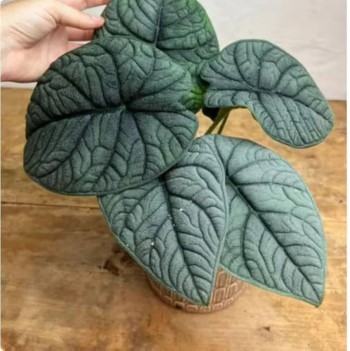
Alocasia melo, commonly referred to as alocasia rugosa, is a compact species of alocasia that reaches a maximum height of two feet. The Alocasia melo, known as a "jewel Alocasia" because to its modest size, stands out in a small pot with its thick, deep-veined, spherical, deep green leaves. This tropical plant needs moist, well-draining soil and bright, diffuse light to thrive in warm, humid climates. Every portion of the plant is poisonous to both humans and animals.
Alocasia rugosa, Alocasia melo
Alocasia melo
Araceae
Perennial and Herbaceous
10-12 inches broad and 15-20 inches tall
Thrives partial shade
Loamy, Moist, yet well-drained
Prefers acidic soil
Blooms in Spring and summer
Pale cream to greenish-white
10-11, USDA
Asia
How To Care Alocasia Melo
The following are the most crucial maintenance needs for alocasia melo growth: Plant in potting mix that drains well and is loose. Pick a spot that gets plenty of indirect light. Give the soil plenty of water, but make sure it dries out in between. During the growth months, apply fertilizer once a month.
Light
Alocasia Melo enjoys continually wet soil, but dislikes sitting in water. Root rot can result from overwatering or leaving the plant in wet soil. When the top inch or so of soil seems dry, give the plant plenty of water to keep the proper balance. To prevent overwatering, make careful to check the moisture content of your plants' soil before watering. The plant grows more slowly throughout the winter, so you might need to water it less regularly. Never leave the plant in a saucer of water, and make sure the pot has adequate drainage to enable extra water to drain. Overwintering or inadequate drainage may be the cause if your leaves begin to turn yellow or brown.
Soil
Alocasia Melo likes an airy, well-draining potting mix. For this plant, a suitable potting mix is one that drains well while retaining moisture, like a mix made for tropical plants or a mixture of potting soil, perlite, and orchid bark. As a result, the roots will remain damp but not soggy.
Watering
Watering Alocasia melo plants on a regular basis is necessary, but be careful not to overwater them. When the top 1 or 2 inches of soil feel dry, give it a thorough watering. Avoid watering the soil until it gets too saturated and remains wet. Although these plants cannot tolerate dryness, they are more resilient to sporadic underwatering than overwatering, which may quickly cause root rot.
Temperature & Humidity
Alocasia Melo enjoys warm temperatures between 65°F and 80°F (18°C and 27°C) because it is native to tropical regions. Cold temperatures can stress the plant, so keep it away from draft-prone places like windows or air conditioning vents. Alocasia Melo is a tropical plant that does well under heavy humidity. Humidity levels of at least 60% are preferred. If you live in a dry region, you might want to put a humidifier next to the plant or set it on a humidity tray with pebbles and water to add moisture to the leaves. Additionally, you can sometimes water the leaves to increase humidity, but take care not to overdo it because too much moisture might cause fungal problems.
Fertilizer
During the spring and summer growing seasons, alocasia melo can be fertilized using a houseplant fertilizer. This plant will receive the nutrients it requires for leaf growth when a well-balanced liquid solution, such as 20-20-20, is treated approximately once a month.
Pruning
Although Alocasia Melo is a low-maintenance plant, frequent trimming can help maintain its neat appearance and promote new growth. To maintain the health of the plant, remove any dead or yellowing leaves. To keep a compact form, you may also trim back any overgrown or lanky stems. Every few weeks, it's a good idea to gently wipe the plant's beautiful foliage with a moist cloth to maintain it dust-free and clean. Additionally, this will improve the plant's ability to breathe and absorb light.
Propagating
Alocasia melo plants propagate by rhizomes, which generate little offsets known as corms that develop into individual plants. In light of this, division is the most efficient method of propagating this plant. Repotting the plant is the easiest way to do it, and it works best throughout the growing season. Here's how to divide Alocasia melo: Remove the plant from the pot after gently loosening the dirt on all sides. Determine which corms are forming around the plant's roots and shake off any extra dirt. If they are still attached to the roots, carefully cut the corms free with a sharp, sterile pair of scissors. Take off the corm's brown outer covering and throw it away. Place the corm in a jar or container filled with damp sphagnum moss, then cover with a plastic bag. As an alternative, submerge the corm in shallow water and cover it. It is not recommended to put corms in soil since they need high humidity. The corm should be kept in an area with enough of indirect light. Every week, moisten the sphagnum moss and let the growing container breathe for a little while. Root development should be visible after four to sixteen weeks. At this point, you may move the corm to a container filled with wet, well-draining potting mix and continue to let the root system and leaves grow.
From Seed
Although it takes time, Alocasia Melo may be grown from seed. Since they quickly lose their viability, start with fresh, ripe seeds. Plant them on the surface of a wet, well-draining mixture (such as fine coco peat or sphagnum moss) and keep them warm (25-28°C) and humid. Just gently push the seeds into the media; do not bury them deeply. Maintain strong, indirect lighting for the setup. Patience is essential since germination can take two to six weeks, and seedlings initially develop slowly. You may pot them in aroid soil after they have a few genuine leaves.
Potting & Repotting
Alocasia melo is a little plant that doesn't require frequent repotting because it wants to stay rootbound. It's probably time to repot, though, if the rhizome is sticking out of the soil's surface or if roots are emerging from the pot's drainage holes. To repot, carefully remove the plant from the existing container after loosening the dirt around its perimeter. Take care not to harm the root structure when shaking off extra dirt. Fill a container with a potting mixture appropriate for these plants in a pot that is just 1 to 2 inches bigger in diameter than the previous pot. Put the plant in the pot, cover it with potting mixture, and give it plenty of water.
Overwintering
The main goal of overwintering Alocasia Melo is to keep it stable and warm. To avoid leaf drop, keep the temperature above 18°C, water the soil less frequently so it remains slightly damp but never wet, and provide it with bright, indirect light. Avoid fertilizing and resist repotting Melo since it might slow down or go largely dormant in the winter. The plant will remain stable until growth begins in the spring if the humidity is kept at a reasonably high level to avoid crisping.
How To Bloom
Alocasia Melo requires strong, consistent growing conditions in order to bloom. Maintain constant high humidity, warm temperatures over 24°C, and bright, indirect light. Grow the plant in a somewhat tight pot using a rich, airy aroid mix. Throughout the growth season, water evenly but not excessively and feed sparingly with a balanced fertilizer. The plant may develop its distinctive spathe-and-spadix bloom when it is fully grown and developing quickly.
Pests, diseases, and other problems
Alocasia plants have a reputation for being picky about their surroundings, particularly with regard to humidity, temperature, and watering schedules. Similar strict requirements apply to the Alocasia melo; they are some of the most typical symptoms. The alocasia melo may be a sign that it is not getting enough light if its thick, wide leaves start to curl. This plant thrives from medium to bright diffuse light, however it prefers shade over direct sunlight. An east- or west-facing window is often advised for strong, indirect light, but if your plant continues to fail to get enough light, you may need to relocate it. The ideal location is within a foot or two of the window; but, if the exposure is western, make sure it is not directly in the path of the afternoon sun. Curling leaves might also indicate an excessively low humidity level. Use a humidifier, put the plant in a room that is already humid, such a bathroom, or place it on a pebble tray, being careful that the roots are not submerged in water, to raise the humidity level in the space. Alocasia melo may lose its leaves if exposed to temperatures below around 60°F for an extended period of time. The abrupt loss of leaves on your plant is probably a sign that the temperature is too low for it. Make sure the plant is out of the way of any drafts coming from an air conditioner or window. You might need to put a space heater next to the plant or increase the room's temperature.