Growing and Caring for Alocasia Pink Dragon
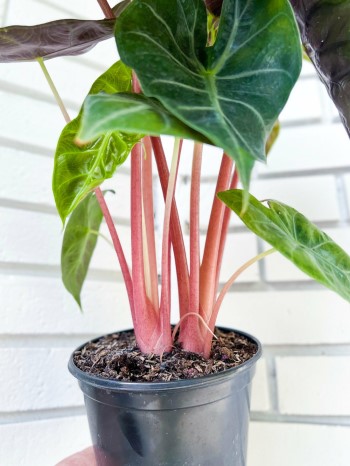
Alocasia Pink Dragon is a tiny perennial evergreen in the Araceae family that is indigenous to the Philippines' tropical environment. The plant has gained popularity in many nations because to its lovely leaves and ease of maintenance, both among collectors and novices want to include a little jungle into their homes. However, it is important to keep in mind that it is highly poisonous. Alocasia 'Pink Dragon' is easily recognized by its tall, light-veined dark green leaves and huge pink stems. Because the plant is evergreen, its look remains constant throughout the year, and its leaves continue to draw attention.
Alocasia Pink Dragon, Alocasia Morocco
Alocasia lowii 'Morocco'
Araceae
Perennial and corm
2-3 feet wide and 4 feet tall
Thrives partial shade
Moist, yet well-drained
Prefers acidic soil
Blooms in Spring
Green, white
10-12, USDA
Asia, Australia
How To Care Alocasia Pink Dragon
The Alocasia Pink Dragon is not an exception to the rule that Alocasias are somewhat high-maintenance houseplants. This is mostly because it prefers high humidity and frequent watering, which can be difficult for many plant parents to maintain. However, it is rather easy to maintain if you are aware of the kind of care that this Alocasia needs.
Light
The Alocasia Pink Dragon, like other tropical houseplants, thrives in strong indirect light for several hours. Although it can tolerate short bursts of intense morning light, continuous exposure to direct sunlight-especially in the afternoon-will soon burn the delicate leaves of this plant. If you don't have enough natural light, the Alocasia Pink Dragon may thrive with grow lights.
Soil
Rich, well-draining soil that keeps some moisture is ideal for growing Alocasia Pink Dragons. An appropriate mixture that is simple to make at home includes equal parts perlite, orchid bark mix, and indoor potting soil. As an alternative, search for commercial soil mixtures made specifically for aroids.
Watering
Alocasia Pink Dragons prefer frequent misting, watering about every two weeks, and keeping their soil damp but not soggy. To avoid overwatering and root rot, we advise letting the top two to three inches of soil dry out in between waterings. This plant cannot withstand drought, and prolonged dry spells will cause the margins of the leaves to become brown.
Temperature & Humidity
High humidity and warm temperatures are essential for an Alocasia Pink Dragon to flourish. Average home temperatures are ideal since it enjoys temperatures between 60 and 80 degrees Fahrenheit (15 and 26 degrees Celsius). Plant parents frequently struggle to provide this tropical plant with sufficient humidity. The ideal humidity range for the Alocasia Pink Dragon is 60 to 70%, which is far greater than the humidity levels found in most homes. One of the best ways to raise the humidity around your Alocasia is to place a tiny humidifier close by. Another option is to grow this Alocasia in a naturally humid area of the house, such as the bathroom or laundry room, or place a pebble tray filled with water beneath the pot. The average humidity levels in the region may be raised even by gathering a number of houseplants together. Finally, because the temperature and humidity can be precisely regulated and tailored, Alocasias are an excellent option for indoor greenhouse cabinets.
Fertilizer
Use a balanced, water-soluble plant food to fertilize the Pink Dragon Alocasia. While a water-soluble solution is safe and simple to use, a balanced recipe gives the plant all it needs to develop and flourish. Feed your Alocasia every two weeks in the spring and summer, then stop feeding it in the fall and winter.
Pruning
Alocasia Pink Dragon only requires minor pruning; use clean, sharp scissors to cut off any yellowing, damaged, or dead leaves at the base. This keeps the plant looking neat and erect while assisting it in rerouting energy to new development. Since the plant develops slowly by nature and wants to retain the majority of its leaves, avoid severe trimming.
Propagating
Offsets, or pups, that develop at the base of the mother plant are separated in order to reproduce Alocasia Pink Dragon. Remove the dirt with a gentle brush, remove any puppies that have their own roots, and unpot the plant. Each should be repotted in a little, well-draining pot and kept warm, humid, and somewhat damp until new growth is established.
From Seed
Growing Alocasia Pink Dragon from seed is unusual and difficult since this cultivar produces few viable seeds and may not grow true to the parent plant. If seeds are available, plant them fresh on the surface of a moist, well-draining mixture and keep them constantly damp-not wet-warm (24-28°C), humid, and warm. Seedlings require steady warmth and high humidity to flourish, and germination might take many weeks.
Potting & Repotting
When an Alocasia Pink Dragon is vigorously developing in the spring or summer, it is ideal to repot it. This is because, in contrast to being repotted in the fall or winter, it will be able to recover more readily during its active growth phase. It's advisable to use caution while repotting alocasias because they are delicate and picky plants that may suffer from improper repotting. Select a new potting container that is just two to three inches bigger than the old one. Because the container retains more water after watering, moving your plant to a larger pot may cause you to unintentionally overwater it. Move the plant to its new container after carefully removing it from its old one, being careful to disrupt as few roots as possible. After adding new potting soil around the root ball, give the plant a thorough watering, letting any extra water run out through the drainage holes before putting it back where it was.
Overwintering
Since the Alocasia Pink Dragon is sensitive to cold, it should be kept in a warm, stable environment above 18°C during the winter. Cut back on watering, but don't allow the soil dry up completely-it should be just a little damp. Use a tray or humidifier to raise the humidity and provide strong, indirect light. In order to maintain the plant healthy over the winter, remove any yellowing leaves and wait until spring to fertilize because growth will slow or stop.
How To Bloom
Alocasia Pink Dragon needs high humidity, consistent temps over 22°C, and strong indirect light to bloom. During the growth season, feed the plant once a month, keep the soil consistently wet, and let it mature-flowers are usually only produced by well-established plants. It may occasionally produce its tiny spathe-and-spadix blossoms with steady care and robust development.
Pests, diseases, and other problems
Alocasia Pink Dragon, like other houseplants, can become infested by common pests including scale, mealybugs, and fungus gnats. Spider mites, however, are especially drawn to Alocasias in general. So much so that it's wise to take precautions to keep your plant from being overrun by spider mites. First, avoid letting your plant dry up too much, since this attracts these bothersome mites. Second, treat your plant's leaves with an insecticide (such as neem oil) once or twice a month to keep bugs away and avoid further infections. If the Alocasia Pink Dragon is overwatered or does not receive adequate drainage, it can potentially develop root rot. Keep an eye out for symptoms of root rot, such as yellow foliage, drooping and wilted leaves, or squishy roots or stems. Alocasias are known to be picky houseplants, so it's normal to run into a few issues while cultivating them inside, particularly when you're first learning how to take care of them. Here are some typical issues to be aware of and their probable causes. An Alocasia Pink Dragon's yellow leaves are a sign that something is amiss in the plant's growth environment. Although underwatering, low humidity, or lack of light are typically the causes, overwatering can also cause leaves to become yellow. Examining your plant's growth environment attentively and experimenting with different conditions to discover what works are the only ways to determine what's generating the yellow leaves. The most common causes of brown leaves are either excessive sunshine (leaf burn) or low humidity, which dries out the leaves. Make sure your plant doesn't get any direct sunlight, and keep it away from drafty air vents that might cause the surrounding air to get too dry.