Growing and Caring for Alocasia Polly
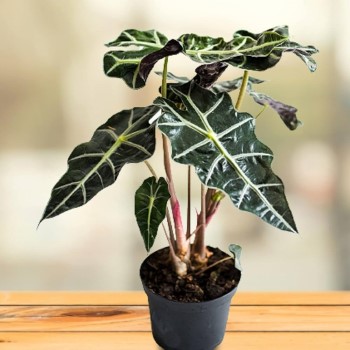
The fascinating hybrid plant Alocasia "Polly," also called Alocasia x amazonica "Polly," blends the best characteristics of both parent species to produce an exquisite attractive example. It is a popular choice for indoor gardeners looking to add a little exotic flare to their home decor because of its striking foliage, which is distinguished by dark green, glossy leaves decorated with prominent, white veins. Alocasia 'Polly' is highly valued for its arrow-shaped leaves with noticeable silver or white veins set against a dark green backdrop. The glossy, wavy-edged leaves add to the plant's striking appeal.
Alocasia Polly, elephant's ear, African mask plant
Alocasia × amazonica 'Polly'
Araceae
Perennial and corm
1-2 feet broad and tall
Thrives partial shade
Moist, rich, yet well-drained
Prefers acidic soil
Blooms in Summer
Pale green and cream
10-11, USDA
Southern Asia
How To Care Alocasia Polly
These are the key care guidelines for growing Alocasia Polly. It thrives in bright, softened light, requires consistently moist soil, and prefers warm, humid conditions.
Light
Alocasia Polly prefers strong but indirect light, like what you'd get from an east-facing window without direct sun exposure. In very bright rooms, using sheer curtains helps soften intense rays and prevents the leaves from burning. Excessive light can also lead to pale, faded foliage.
Soil
Use a nutrient-rich, well-draining potting mix with plenty of organic material to help your Alocasia Polly hold moisture.
Watering
Alocasia Polly typically likes watering roughly every two weeks, along with regular misting and consistently moist-but not soggy-soil. It's best to let the top 2-3 inches of soil dry out before watering again to avoid root rot. This plant doesn't handle drought well, and letting it dry out too long can lead to browning leaf edges.
Temperature & Humidity
Alocasia Polly thrives in temperatures warmer than about 65°F. Exposure to colder air can harm or even kill it, so avoid placing it in chilly rooms or near drafts. A warm, humid environment is ideal-bathrooms often work perfectly. You can also cluster it with other tropical plants and use a humidifier to boost moisture levels in the air.
Fertilizer
Feed your Alocasia Polly consistently during its active growing season. Apply a diluted organic houseplant fertilizer (half strength) every two weeks starting in spring, and discontinue feeding once summer ends. Resume this schedule again the following spring.
Pruning
Because Alocasia Polly grows slowly-particularly indoors-you usually won't need to prune it for size or shaping. Remove any dead or damaged leaves in spring or summer, when the plant is actively growing, using clean, sterilized pruning tools and cutting them at the base. Although it seldom flowers indoors, trimming off faded blooms can help encourage healthier foliage growth.
Propagating
If your thriving Alocasia Polly has at least two bulbs with a pair of leaves, you can propagate it through division. Division is also an ideal method for mature plants that are outgrowing their pots. The optimal time to propagate Alocasia Polly is in spring or summer, when the plant is in its active growth phase. Here's a guide on how to propagate Alocasia Polly using division: Gently take your Alocasia Polly out of its pot and carefully loosen the soil around the root ball using your fingers. You might discover small dormant bulblets called corms in the soil. These can be planted in fresh soil alongside the main plant, where they will eventually sprout, or you can try a water propagation method to encourage faster growth. Use your fingers to separate the rhizome clumps, avoiding any cutting or damage. Replant each clump in a new pot with fresh soil, water thoroughly, and keep the soil consistently moist. Place the pots in a warm spot with bright, indirect light.
From Seed
Growing Alocasia Polly from seed is slow but rewarding. Soak the seeds for 24-48 hours, then plant them in moist, well-draining soil. Keep the soil warm and humid until germination, which can take several weeks. Once seedlings appear, provide bright, indirect light, maintain even moisture, and transplant them as they grow.
Potting & Repotting
Alocasia Polly should be repotted every two to three years to renew its soil. Signs that it's time to repot include roots growing out of the drainage holes or water running off the soil instead of being absorbed, indicating the plant is rootbound. Repotting is best done in spring, after dormancy, using a pot one size larger than the current one. Use fresh soil and choose a plastic or glazed ceramic pot instead of terra cotta to help retain moisture.
Overwintering
In winter, your indoor Alocasia Polly may slow its growth or appear droopy and dull, which is normal due to shorter days and cooler temperatures. If it experiences very cold conditions, low light, and dry soil simultaneously, it might lose all its leaves and enter dormancy. Don't worry-this doesn't mean it's dead. Reduce watering and wait for spring, when new leaves should emerge. To prevent winter dormancy, keep your plant in a space around 70°F and consider using a grow light.
How To Bloom
Alocasia Polly rarely flowers indoors, but optimal care can increase the chances. Ensure the plant is mature, healthy, and grown in bright, indirect light. Keep the soil consistently moist but not soggy, and provide high humidity (above 60%). Fertilize regularly during the growing season with a balanced, diluted fertilizer. Maintaining warm temperatures (70-85°F) and avoiding stress from overwatering, drought, or cold drafts helps the plant focus energy on producing flowers.
Pests, diseases, and other problems
Alocasia Polly can be affected by common houseplant pests such as spider mites, scale, mealybugs, and aphids. Regularly inspect the leaves to detect any infestations early. If pests appear, treat the plant with rubbing alcohol or neem oil and keep it separate from your other plants until the problem is resolved. Alocasia Polly is generally easy to care for under the right conditions, but even experienced plant owners may encounter some issues. Direct, harsh sunlight can burn its leaves, causing brown spots-simply move the plant to a spot with indirect light. Yellowing leaves may result from overwatering or underwatering, so check the soil and adjust watering as needed. During winter, the plant may slow its growth or enter dormancy due to reduced light and cooler temperatures. Keep it warm, maintain consistent soil moisture, and consider a grow light to provide extra daily light.