Growing and Caring for Alocasia Wentii
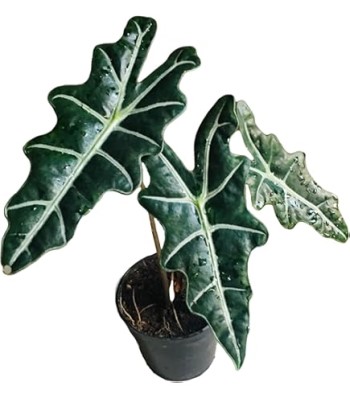
Alocasia wentii, also called the Hardy Elephant Ear, is admired for its distinctive beauty and hardy nature, making it a popular choice for both gardeners and indoor plant lovers. Its eye-catching foliage and ability to thrive in a range of growing conditions contribute to its widespread appeal.
New Guinea shield, Hardy elephant ear
Alocasia wentii
Araceae
Herbaceous and Perennial
Reaches up to 5 feet indoors and up to 10 feet when grown outdoors.
Thrives partial shade
Moist, yet well-drained
Grows well in acidic, neutral, and alkaline soils
Blooms in Spring and summer
creamy white or pale green
8-10, USDA
Asia
How To Care Alocasia Wentii
To care for Alocasia wentii, plant it in a fertile, well-draining soil mix and place it in bright, indirect light. Water consistently to keep the soil evenly moist, maintain high humidity, and fertilize regularly throughout the growing season.
Light
Alocasia wentii thrives in medium to bright indirect light but should be kept out of low light and direct sunlight, which can burn its leaves. If natural light is insufficient, using a grow light can help support healthy foliage growth.
Soil
Alocasia wentii can tolerate various well-draining soils, but it thrives in a fertile, loamy mix. For indoor cultivation, use a rich, airy potting soil. A good blend is equal parts perlite, coco coir, and potting soil, which provides proper drainage while keeping the moisture consistent.
Watering
Alocasia wentii thrives with watering about every two weeks, frequent misting, and soil that stays moist without becoming waterlogged. Let the top 2-3 inches of soil dry out between waterings to prevent root rot from overwatering. Since it is not drought-tolerant, extended dryness can cause the leaf edges to turn brown.
Temperature & Humidity
Alocasia wentii, like most alocasias, thrives in daytime temperatures between 68°F and 77°F. It's called the "hardy elephant ear" because it can tolerate cooler temperatures than many other alocasias, surviving as low as 45°F, though it may not look as vibrant. If temperatures drop further, the plant can go dormant, lose its leaves, and eventually die. Maintaining high humidity-around 60% to 70%-is essential for its health, though it can be challenging indoors. You can boost humidity by grouping tropical plants together or using pebble-filled water trays, and in dry homes, a humidifier may be necessary to keep the environment consistently moist.
Fertilizer
Alocasia wentii is a heavy feeder and benefits from fertilization every two to three weeks during the growing season to promote large, glossy leaves. Use a balanced liquid houseplant fertilizer, and pause feeding once the plant enters dormancy. Resume fertilization only when new growth appears.
Pruning
Alocasia wentii doesn't require extensive pruning. Simply trim away any unhealthy, dying, or dead leaves to keep the plant looking neat and to help redirect nutrients and energy toward healthy new growth.
Propagating
Alocasia wentii can be propagated by separating offsets, or baby plants, from a mature specimen. Wait until the offsets have developed healthy roots and leaves, then carefully remove them from the mother plant and pot them individually in well-draining soil. Keep the soil consistently moist and place the new plants in bright, indirect light until they establish.
From Seed
Growing Alocasia wentii from seed is a slow but rewarding process. Soak the seeds for 24-48 hours, then plant them in a well-draining, moist seed-starting mix. Keep the soil warm and humid until germination, which may take several weeks. Once seedlings emerge, provide bright, indirect light, maintain consistent moisture, and transplant them into larger pots as they grow.
Potting & Repotting
Alocasia wentii grows slowly and prefers being slightly rootbound, so frequent repotting isn't necessary. Still, when you notice long roots emerging from the pot, slowed growth, or soil that isn't absorbing water well, it's time to move up a size or two. Repot during spring or summer when the plant is actively growing, choosing a pot 2-4 inches larger in diameter than the current one. Avoid going too large, as excess soil can retain too much moisture and increase the risk of root rot.
Overwintering
Alocasia wentii is sensitive to cold, so during winter, keep it in a warm environment above 60°F (16°C). Reduce watering, allowing the soil to dry slightly between waterings, and stop fertilizing until the growing season resumes. Provide bright, indirect light or supplement with a grow light to compensate for shorter days. Maintaining high humidity and pruning any yellowing or dead leaves will help the plant stay healthy through its dormant period.
How To Bloom
Alocasia wentii rarely flowers indoors, but healthy, mature plants have the best chance. To encourage blooming, provide bright, indirect light, consistently moist soil, high humidity, and warm temperatures between 70-85°F. Regular fertilization during the growing season can also support flower development, though the plant's striking foliage is usually the main attraction.
Pests, diseases, and other problems
Alocasia wentii can be susceptible to pests, but maintaining proper growing conditions and addressing infestations early can prevent serious damage. Low humidity can make spider mites a particular problem, while mealybugs, fungus gnats, and aphids are also common. Regularly wiping the leaves with a damp cloth and using organic treatments like neem oil can help control these pests. Alocasias can be somewhat finicky, and while Alocasia wentii is one of the easier varieties to grow, it can still experience issues if conditions aren't ideal. Yellowing leaves are often a sign of improper watering-too much water can cause root rot, while too little leads to yellow leaves that may drop. Dry air and excessive sunlight can also dull or discolor the plant's glossy green foliage. Leaf loss in the fall is usually normal, as the plant may enter dormancy, especially when grown outdoors. During the growing season, leaf drop can indicate imbalances in care. Ensure the soil stays evenly moist without becoming soggy, maintain high humidity, provide bright indirect light, and avoid extreme temperature fluctuations. Brown leaf edges are often caused by direct sun scorch or low humidity, but underwatering and pest infestations can also contribute to the problem.