Growing and Caring for Alocasia Zebrina
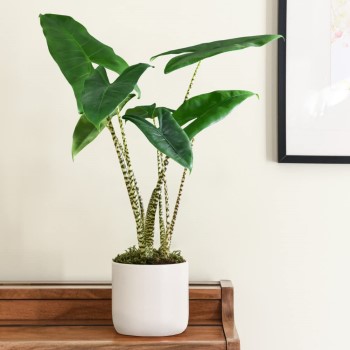
Alocasia zebrina, commonly called the zebra plant, is a tropical houseplant prized for its distinctive white-and-green striped stems. While popular, it can be difficult to find and somewhat challenging to care for due to its specific requirements. With large, heart-shaped leaves, it thrives in conditions similar to its native Philippine rainforests: moist, nutrient-rich, well-draining soil, filtered sunlight, warm temperatures, and high humidity. Although it grows quickly, flowering is rare and usually hidden beneath the foliage. Note that this plant is toxic to both humans and pets.
Zebra plant, tiger taro, zebrina alocasia
Alocasia zebrina
Araceae
Perennial and bulb
Reaches about 3 feet in height and 3 feet in width.
Thrives partial shade
Moist, yet well-drained
Grows best in acidic to neutral soil
Blooms in Spring and summer
Green, white
10-11, USDA
Asia
How To Care Alocasia Zebrina
While Alocasia zebrina can seem challenging to care for, it can thrive indoors if its natural growing conditions are replicated. Key care tips include providing bright, filtered light, keeping the soil consistently moist without waterlogging, and using a pot with good drainage. Maintain warm temperatures and high humidity, and fertilize monthly during the spring and summer. Cleaning the leaves of your Alocasia zebrina every one to two weeks prevents dust buildup and promotes better photosynthesis, supporting healthier, more vigorous growth.
Light
Alocasia zebrina thrives in several hours of bright, indirect sunlight. Place it directly in front of a north- or east-facing window to maximize light, or a few feet back from a south- or west-facing window to avoid harsh direct sun. You can also filter sunlight with a sheer curtain or window film. While too much light can cause leaf burn, too little light may lead to leaf drop.
Soil
When selecting soil for Alocasia zebrina, two factors are important: it needs nutrient-rich soil to grow well, and it must have excellent drainage to prevent root rot. An ideal mix is equal parts potting soil, perlite or pumice, and coco peat, which provides both fertility and good drainage.
Watering
Alocasia zebrina prefers consistently moist soil but shouldn't sit in waterlogged conditions. Let the top inch of soil dry slightly between waterings, then water thoroughly, ensuring any excess drains away.
Temperature & Humidity
Alocasia zebrina cannot tolerate temperatures below 65°F and grows best in warm, moderately humid conditions, though it can adapt to typical household dryness. Signs such as curling leaves, crispy edges, or leaf drop may indicate low humidity. To increase moisture, use a nearby humidifier or place the plant in naturally humid areas like a bathroom, kitchen, or laundry room.
Fertilizer
Along with a nutrient-rich soil, feed Alocasia zebrina with a balanced houseplant fertilizer once a month during spring and summer to support healthy growth. Follow the instructions on the fertilizer package for proper dosage. Pause fertilizing in fall and winter when the plant's growth slows.
Pruning
Alocasia zebrina doesn't require extensive pruning. Simply remove any yellow, damaged, or dead leaves at the base of the plant to keep it looking tidy and to redirect energy toward healthy new growth.
Propagating
Alocasia zebrina can be propagated through division or by growing its corms. For division, separate healthy bulbs and roots from a mature plant and pot them individually in well-draining soil. To propagate from corms, remove small firm corms from the roots, place them in moistened sphagnum moss, keep them in bright, indirect light, and transplant once roots develop.
From Seed
Growing Alocasia zebrina from seed is slow but rewarding. Soak the seeds for 24-48 hours, then plant them in a well-draining, moist seed-starting mix. Keep the soil warm and humid until germination, which can take several weeks. Once seedlings appear, provide bright, indirect light, maintain consistent moisture, and transplant them into larger pots as they grow.
Potting & Repotting
Alocasia zebrina prefers being slightly root-bound, so annual repotting isn't necessary. Repot only when the plant becomes cramped or roots start emerging from the drainage holes, using a pot just one size larger. Water the plant a day or two before repotting to reduce stress. Gently remove the plant from its old pot and examine the roots. If you notice roots circling the bottom or two distinct root systems, you may consider dividing it. For division, remove most of the old soil and carefully separate the roots, keeping them intact if possible. If simply repotting, leave the root ball intact, removing only old soil from the edges. Add several inches of fresh potting mix to the bottom of the new pot, center the root ball, fill in the sides with soil, and leave about an inch of space from the rim.
Overwintering
During winter, Alocasia zebrina should be kept in a warm environment above 65°F with bright, indirect light. Reduce watering and stop fertilizing while the plant is dormant, but keep the soil slightly moist. Maintain high humidity if possible, and prune any yellowing or dead leaves to keep the plant healthy through the colder months.
How To Bloom
Alocasia zebrina rarely flowers indoors, but mature, healthy plants have the best chance. To encourage blooming, provide bright, indirect light, consistently moist soil, warm temperatures around 70-85°F, and high humidity. Regular fertilization during the growing season can also support flower development, though the plant's striking foliage is typically its main attraction.
Pests, diseases, and other problems
Alocasia zebrina can be prone to pests such as spider mites, fungus gnats, and mealybugs, which thrive in the plant's preferred moist conditions. It is also susceptible to root rot, usually caused by overwatering or poor soil drainage. Common signs of root rot include yellowing leaves, leaf drop, and brown, mushy stems. Curling leaves often indicate low moisture or humidity. Make sure the soil doesn't dry out too much between waterings, and avoid placing the plant near drafty windows or air vents. Leaf drop can result from a variety of factors, including insufficient light, improper watering, low humidity, or root rot. Droopy stems may signal overwatering-allow the soil to dry about two-thirds of the way and ensure proper drainage. Conversely, drooping can also indicate a lack of water, nutrients, or light. Severely bent stems can be supported with florist tape to help the plant recover.