Growing and Caring for Alocasia
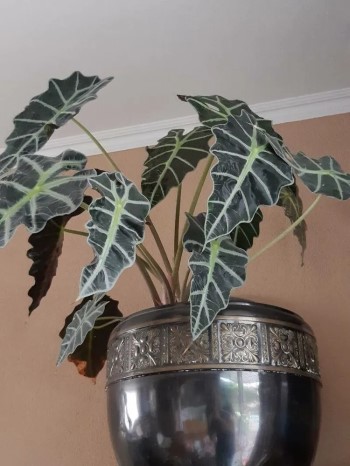
Alocasia, often known as elephant's ear, is a stunning tropical plant that is frequently cultivated as a houseplant. Alocasia grows quickly in the summer, adding a new leaf every week, and needs warm, humid conditions. Large heart-shaped or arrow-shaped leaves are highly valued, and some types' foliage includes noticeable veins or variegation. Alocasia is harmful to people and dogs when consumed, therefore you might want to store it higher if you have small children or pets around.
Elephant's ear, African mask plant, and alocasia
Alocasia spp.
Araceae
Herbaceous and perennial
Wide and tall: 2-10 feet
Thrives partial shade
Well-drained
Prefers acidic soil
Blooms in Spring and summer
Yellow
10-12, USDA
Asia
How To Care Alocasia
You should get excellent results if you give the compost enough humidity and light levels and water it frequently so that it stays wet but is never soggy. In the summer, alocasias grow quickly-some might produce a new leaf every week-but in the winter, when they go dormant, they stop growing and may even die down and lose their leaves. In the summer, use liquid fertilizer once or twice a month. It is quite natural for alocasia leaves to occasionally shrivel and die. Just cut off any shriveled leaves as soon as they emerge.
Light
Native to the jungle, alocasia plants thrive in strong shade or dappled sunshine. Indoor plants should be placed in an area with bright indirect light, such as a window that faces either east or west. Grow outside in an area with open shade. To avoid leaf scorch, stay out of the direct sun. Artificial grow lights can be used to supplement alocasia's light requirements.
Soil
Alocasia should be planted in a loose, well-drained potting mix. The pH of the soil should be between 5.5 and 6.5, which is somewhat acidic. Use either a specific potting mix for aroids or a regular all-purpose peat-based potting mix. If needed, add perlite or orchid bark to the mixture to increase soil drainage.
Watering
Maintain uniform moisture in the alocasia soil. Plants may be stressed by dry or wet soil. When the top two to three inches of soil are completely dry to the touch, add water. Water should be allowed to enter the pot until liquid emerges from the drainage hole. Any standing water in the saucer underneath the pot should be thrown away since plants are prone to root rot. When alocasia plants become dormant in the fall and winter, water them less, leaving the soil slightly damp. Tap water that has too much chlorine or minerals may be harmful to plants. Change to distilled water or let tap water soak for a full day before using it if plants start to have spots on their leaves.
Temperature & Humidity
The ideal temperature range for alocasia is between 60 and 85 degrees Fahrenheit. Keep the temperature from falling below 60 degrees Fahrenheit. Plants should be kept away from heating vents, cold gusts, and abrupt temperature changes. In its natural environment, Alocasia is used to high humidity. It is possible to grow plants in a kitchen, bathroom, or other damp space. Use a room humidifier or set plants on a pebble tray with water to raise the humidity around them. Keep the bottom of the pot out of the water to avoid root rot.
Fertilizer
Larger species in particular are heavy feeders. Use a balanced houseplant fertilizer, such 20-20-20, either once or twice a month in liquid form diluted to half-strength or every six weeks to two months in granular slow-release form during the growing season. In the winter, when your alocasia is dormant, stop feeding it.
Pruning
Pruning your alocasia should only be done to get rid of dead, damaged, or dying leaves. Cut the stem of the defective leaves at the base of the plant using sterile, sharp pruning shears or scissors. Pruning your alocasia is best done in the spring or summer while it is actively developing.
Propagating
The majority of alocasia plants may be easily multiplied in the spring by clump or rhizome division. Remove any extra potting soil from the rhizomes and carefully remove the plant from its pot. To separate a cluster of rhizomes from the mother plant's central stem, use sterile pruning shears or scissors. Plant the rhizomes in a potting mix that drains well and is uniformly wet. Keep the potting mix constantly wet and place the container in a bright indirect light. The growth pace varies according on the type, but new growth often starts within a few weeks.
From Seed
Harvesting ripe seeds from vivid orange berries is the first step in growing Alocasia from seed. These seeds should be rinsed and planted in a warm, humid spot with bright, indirect light, such as a covered container filled with sphagnum moss or a seed mix. To get a new plant, keep them continuously wet but not waterlogged, and wait patiently for germination, which might take weeks to months; however, this is a hobby for enthusiasts with varying success rates.
Potting & Repotting
For alocasia, using a pot with big drainage holes is essential. Using a porous or nonporous container for your alocasia has advantages and disadvantages. Although clay pots provide sufficient ventilation to the soil and roots, nonporous plastics or glazed ceramics assist sustain the consistent hydration that these plants require. A tall plant is less likely to be knocked over by a rambunctious pet or kid when a heavier substance, such as clay, is used. When they clearly outgrow the pots, these quickly growing plants require repotting, although they don't mind being little root-bound. When the plant is actively developing in the spring or summer, repotting should be done. The kind determines the frequency: Smaller kinds may require repotting every 18 months to a year. Choose a pot whose diameter is one to two inches greater than the existing pot. Repotting larger floor plants is probably only necessary every 18 months to two years. Select a pot whose diameter is two to four inches greater than that of the current pot.
Overwintering
Alocasia can be overwintered by bringing the entire potted plant indoors for a tropical appearance (keeping it warm, humid, and pest-free) or by digging up the underground corms or tubers after the foliage dies back from frost, drying them out for a few weeks, and storing them in a cool, dark, dry location with peat moss or coco coir until spring. While keeping the entire plant indoors involves controlling pests like mealybugs and spider mites, the corm approach encourages dormancy and is comparable to overwintering elephant ears.
How To Bloom
The main reason alocasia are produced is for their leaves. The blooms are nondescript and only appear after the plants are fully grown. Rarely do indoor plants blossom. In order to direct the plant's energy onto the leaves, many gardeners pluck the blooms when alocasia does bloom outside.
Pests, diseases, and other problems
Alocasia plants are resistant to illnesses and pests. On the leaves, though, spider mites could be present. Increase humidity by setting the plant pot on a pebble tray and pouring water to the tray until it is just below the top of the pebbles. Spider mites like dry environments. Your alocasia leaves may have turned yellow for a number of reasons. This kind of leaf discoloration is probably caused by either too much or too little irrigation. Alocasia need a few inches of water per week. Additionally, they require a certain quantity of filtered light; if they don't get it, their leaves will frequently turn yellow. If they are growing in a container that is too tiny, their leaves may also turn yellow. Repotting might be the solution. Watering, lighting, or fertilization may not be sufficient if your alocasia has drooping leaves. If the soil is excessively dry or damp, adjust your watering schedule since these plants require consistent hydration. If your plant is in a shaded corner, move it to an area with stronger indirect light and think about feeding it more frequently.