Growing and Caring for Amaryllis
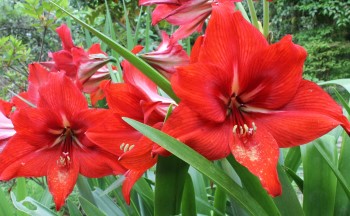
Many people plant amaryllis bulbs indoors to enjoy colorful flowers during the winter season. These plants, commonly known as amaryllis, are actually hybrids from the Hippeastrum genus, made up of tropical species from Central and South America. Their bold, eye-catching blooms add brightness to winter and early spring and are valued for their low-maintenance care. Once planted, bulbs usually flower within six to eight weeks, making mid- to late-September planting ideal for Christmas displays. When properly cared for, amaryllis are long-lasting perennials that can bloom annually for two decades or more.
Amaryllis
Hippeastrum (group)
Amaryllidoideae
Perennial and bulb
Grows about 1-2 feet tall and spreads roughly 9-12 inches wide.
Thrives in full sun to partial shade
Prefers well-draining soil
Grows best in acidic to neutral soil
Seasonal
Red, white, pink
8-10, USDA
South America, Central America
How To Care Amaryllis
To care for amaryllis, place the bulb in bright, indirect light and water sparingly until growth appears, then keep the soil lightly moist. Use well-draining soil and a pot with drainage holes. Feed with a balanced fertilizer during growth, and after flowering, let the leaves mature to store energy. Allow the bulb a dormant period in a cool, dry place before replanting for the next bloom.
Light
Amaryllis thrives with plenty of light, and insufficient light can shorten flowering. A sunny windowsill away from direct heat sources, like a radiator, is ideal for healthy growth and blooms.
Soil
Amaryllis grows best in well-draining soil. A mix of potting soil combined with sand or perlite works well to prevent waterlogging and bulb rot.
Watering
The best way to water amaryllis is to thoroughly soak the soil, then let it dry out completely before watering again. Only water when the soil feels dry or the pot feels light. Water until it drains from the bottom, and never let the pot sit in standing water or let water touch the top of the bulb to prevent rot. During active growth and flowering, water more frequently, then gradually reduce watering as the plant dies back. When dormant, wait about two weeks after the soil dries before watering, and resume regular watering once growth starts again.
Temperature & Humidity
Amaryllis prefers warm temperatures between 65-75°F (18-24°C) during growth and flowering. Keep them away from cold drafts or sudden temperature changes. They thrive in average indoor humidity and generally don't require extra humidity, though moderately humid conditions can help prevent leaf drying in very dry environments.
Fertilizer
Feed amaryllis with a balanced, water-soluble fertilizer every 2-4 weeks during active growth and flowering. Stop fertilizing once the flowers fade and the plant begins to enter dormancy, allowing the bulb to store energy for the next blooming cycle.
Pruning
After amaryllis flowers fade, prune by cutting off the flower stalks at the base, but leave the leaves intact. The leaves continue to photosynthesize and feed the bulb, helping it store energy for next year's bloom. Once the leaves naturally yellow and die back, you can trim them to tidy the plant before its dormant period.
Propagating
Amaryllis bulbs produce small side bulbs, or bulbils, that can be separated to grow new plants. Once the parent plant has gone dormant-late winter to early spring outdoors or fall indoors-carefully dig up the bulb and remove excess soil. Gently twist the bulbils away from the parent bulb, or use a knife if needed, keeping their roots intact. Replant the parent bulb in its original spot. Plant the bulbils in containers with rich, well-draining soil, leaving about one-third of each bulb exposed and keeping them at least two inches from the container edge. Place the containers in a sunny spot, water to keep the soil moist but not soggy, and expect new growth within three to four weeks.
From Seed
Amaryllis can also be grown from seed, though it takes longer for the plants to flower. Sow seeds in a well-draining seed-starting mix, lightly covering them with soil. Keep the soil consistently moist and place the container in a warm, bright location. Seedlings typically appear in a few weeks, and it may take 2-3 years for the plants to mature and produce blooms.
Potting & Repotting
Choose a pot just slightly larger than the bulb, with good drainage holes. Use a well-draining potting mix and plant the bulb so that about one-third of it remains above the soil. Water lightly after planting and place in a bright, warm location. Amaryllis bulbs should be repotted every 2-3 years or when they outgrow their container. Carefully remove the bulb from the pot, shake off old soil, and trim any damaged roots. Replant in fresh, well-draining soil in a slightly larger pot, keeping the top third of the bulb above the soil. Water sparingly until new growth appears.
Overwintering
After flowering, allow the leaves to continue growing until they naturally yellow and die back. Gradually reduce watering and stop fertilizing as the plant enters dormancy. For indoor bulbs, move the pot to a cool, dry location for 8-10 weeks. Outdoor bulbs in colder climates can be dug up and stored in a frost-free area. After the dormant period, resume watering and place the bulb in a bright, warm spot to encourage new growth and the next bloom.
How To Bloom
To get amaryllis to bloom, start by ensuring the bulb has had a proper dormant period of 8-10 weeks in a cool, dry place. After dormancy, plant the bulb in well-draining soil with the top third exposed, and place it in bright, indirect light. Water sparingly at first, then increase watering as growth begins, and feed every 2-4 weeks with a balanced fertilizer. With warmth, light, and proper care, the bulb will produce a flower stalk in 6-8 weeks.
Pests, diseases, and other problems
Amaryllis can encounter several pests and care issues. Spider mites and mealybugs can be managed with horticultural oil, while outdoor plants may be damaged by slugs and snails. The plants are also susceptible to red blotch, which appears as reddish-brown spots on leaves, bulbs, and flower stalks, and mosaic virus, which causes yellow streaking and reduces flowering-neither disease can be cured. Failure to bloom often means the bulb didn't store enough energy; ensure it gets ample sunlight and regular fertilization during leaf growth. Leaves naturally yellow as the plant enters dormancy, but early yellowing may indicate overwatering or low light. Bulb rot is typically caused by poor drainage or excessive watering, so always use well-draining soil and avoid letting water sit around the bulb.