Growing and Caring for Amber Jubilee Ninebark
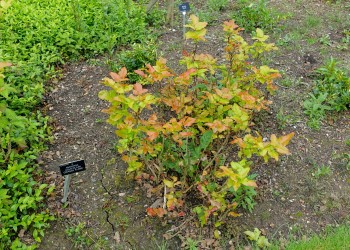
Amber Jubilee ninebark (Physocarpus opulifolius 'Jefam' AMBER JUBILEE) is a standout cultivar known for its vibrant, season-long foliage that changes color from spring through fall. After leaf drop, the shrub's textured, attractive bark adds winter interest, making it visually appealing year-round. One of its greatest advantages is its low-maintenance nature, making it ideal for gardeners who want striking results without a lot of effort. For anyone seeking a shrub that delivers four-season beauty and a unique presence in the garden, Amber Jubilee ninebark is an excellent choice.
Amber Jubilee Ninebark
Physocarpus opulifolius 'Jefam' AMBER JUBILEE
Rosaceae
Deciduous shrub
Grows 5-6 feet tall and 3-4 feet wide.
Thrives in full sun to partial shade
Thrives in average, dry to medium, well-draining soil
Thrives in soil with an adaptable pH range
Blooms in May to June
White or Pink
2-8, USDA
North America
How To Care Amber Jubilee Ninebark
Amber Jubilee ninebark is low-maintenance and easy to care for. Plant it in full sun to partial shade with well-draining soil. Water regularly during the first season, then it becomes drought-tolerant. Prune in late winter or early spring to maintain shape and remove dead wood. Minimal fertilization in spring helps promote healthy growth and vibrant foliage.
Light
The sun requirements for Amber Jubilee ninebark can vary by planting zone. In northern regions, it thrives in full sun, while in hotter areas with intense afternoon heat, providing some afternoon shade helps protect the shrub. Ideally, it prefers full to partial sun for optimal growth and vibrant foliage.
Soil
Amber Jubilee ninebark thrives in well-draining, slightly acidic soils ranging from dry to medium moisture. It is highly adaptable and tolerates nearly any soil type-except overly wet conditions-without affecting its health or appearance. This shrub performs particularly well in shallow, rocky, gravelly, clay, or erosion-prone soils.
Watering
Amber Jubilee ninebark becomes very drought-tolerant once established. While it needs extra watering when first planted, mature shrubs can thrive in dry soils that would stress other plants. Although it can withstand drought, occasional watering during prolonged dry spells helps keep it healthy and vibrant.
Temperature & Humidity
Amber Jubilee ninebark thrives in temperate climates with moderate humidity. It is hardy in USDA zones 2-8, tolerating cold winters and average summer heat, but it does not perform well in regions with high heat and humidity. For best results, plant it in areas with moderate temperatures and avoid overly hot, humid conditions.
Fertilizer
Amber Jubilee ninebark is low-maintenance and typically doesn't require heavy fertilization. Applying a balanced, slow-release fertilizer in early spring can help support healthy growth and vibrant foliage, but excessive feeding is unnecessary.
Pruning
Amber Jubilee ninebark grows best when allowed to maintain its natural shape, requiring minimal pruning. For size control and to encourage flowering, prune lightly each year right after the last blooms fade. To rejuvenate the shrub every three to five years, cut it close to the ground during winter to stimulate new growth, foliage, and attractive stems. Pruning at the wrong time can slow growth, so timing is key.
Propagating
Amber Jubilee ninebark is a patented cultivar, so it cannot be legally propagated without obtaining the proper license.
From Seed
Since Amber Jubilee ninebark is a patented cultivar, it is also illegal to propagate or grow it from seed without proper authorization.
Potting & Repotting
When planting Amber Jubilee ninebark in a container, choose a pot slightly larger than the root ball with good drainage holes. Use well-draining soil and plant the shrub at the same depth it grew in the nursery. Water thoroughly after planting and place in a location with full to partial sun. Repot every few years or when the shrub outgrows its container. Carefully remove the plant, loosen the roots, and trim any damaged ones. Place it in fresh, well-draining soil in a slightly larger pot, maintaining the original planting depth. Water lightly until the plant re-establishes.
Overwintering
Amber Jubilee ninebark requires minimal winter care. As a deciduous perennial, it naturally loses its leaves and enters dormancy. During colder months, you may want to check for animal damage and prune the plant close to the ground to maintain its health and shape.
How To Bloom
To encourage Amber Jubilee ninebark to bloom, plant it in full sun or partial shade, as adequate sunlight is key for vibrant flowers. Ensure the shrub is well-established with healthy, well-draining soil and water regularly during the growing season. Light pruning after blooms or in late winter can stimulate new growth and more floral stems. Providing balanced fertilization in spring can also support robust flowering. With proper care, the shrub produces clusters of small, showy flowers in late spring to early summer.
Pests, diseases, and other problems
Amber Jubilee ninebark is generally pest-resistant, making it a low-maintenance choice for landscapes. It can be affected by a few diseases, but these are usually manageable. Fire blight, caused by Erwinia amylovora, may appear over winter as cankers and bacterial ooze, followed by waterlogged, blackened foliage in spring. Control it by pruning infected areas and avoiding excessive nitrogen fertilizer. Powdery mildew, which appears as a white, powdery coating on leaves, is best prevented by planting in sunny locations, avoiding overwatering, and keeping tools clean. If infection occurs, remove and dispose of affected plant material, apply fungicides to slow spread, and disinfect tools thoroughly with bleach to prevent further contamination.