Growing and Caring for American Elderberry
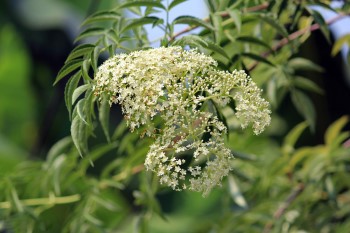
American elderberry is a versatile deciduous shrub known for its bright white flowers and small, dark berries, which are ideal for making jellies and pies. These shrubs attract pollinators and grow best in full sun with moist, well-draining soil. Caution is advised, as all parts of the plant can be toxic to people and pets if not properly prepared.
American elderberry, elderberry, common elderberry
Sambucus canadensis
Viburnaceae
Can grow as a tree or a shrub.
Grows 5-12 feet tall and 6-12 feet wide
Thrives in full sun to partial shade
Moist, yet well-drained
Grows best in acidic to neutral soil
Blooms in Spring and summer
White
4-8, USDA
North America
How To Care American Elderberry
American elderberry is easy to care for when planted in full sun with moist, well-draining soil. Water regularly, especially during the first year, to help establish strong roots. Prune in late winter or early spring to remove dead stems and encourage new growth and fruiting. Apply a balanced fertilizer in early spring to support healthy development. Be cautious, as most parts of the plant are toxic except for fully ripe berries, so keep it away from children and pets.
Light
American elderberry thrives in full sun but can also tolerate partial shade. Full sun encourages the best flowering and fruit production.
Soil
For best results, plant American elderberry in moist, humus-rich soil that is well-draining. The soil should be neutral to slightly acidic. Avoid areas prone to standing water, as the shallow roots are susceptible to rot, and space each shrub a few feet apart to allow for healthy growth.
Watering
American elderberry is not drought-tolerant and prefers consistently moist soil. During peak growth or hot, dry periods, it needs about 1-2 inches of water per week. Because its roots are shallow, dry topsoil is a sign the plant needs water. With well-draining soil, there is minimal risk of overwatering.
Temperature & Humidity
American elderberry thrives in cooler, moist conditions and prefers temperate weather. It does not require any special humidity levels and generally tolerates typical garden conditions as long as it avoids hot, dry environments.
Fertilizer
Fertilizing American elderberry isn't essential but can enhance fruit production. Start by enriching the soil before planting with compost or manure to boost nutrients. Afterward, apply a balanced 10-10-10 fertilizer each spring to support healthy growth and abundant fruiting.
Pruning
Prune American elderberry in early spring to remove dead, damaged, or diseased canes and to encourage healthy new growth. Cut out stems older than three years, as younger canes produce more flowers and fruit. Pruning also helps maintain a neat, manageable shape and can be used to develop a central leader if you want a small tree form instead of the typical multi-trunked shrub.
Propagating
American elderberry is most easily propagated from cuttings, though it can be grown from seed with a complicated stratification process. Take healthy cuttings and use rooting hormone to protect against bacteria and fungus. Place the cuttings in a jar of clean water for at least two months, refilling as needed and misting occasionally. Once strong roots develop, plant them in well-draining soil in your garden.
From Seed
American elderberry can be grown from seed, but it requires a careful stratification process to break dormancy. Collect seeds from fully ripe berries, clean them thoroughly, and cold-stratify them for several weeks to simulate winter conditions. After stratification, sow the seeds in a well-draining seed-starting mix, keep the soil consistently moist, and place in a warm, bright location. Germination may take several weeks, and seedlings should be gradually acclimated to outdoor conditions before transplanting.
Potting & Repotting
When planting American elderberry in a container, choose a pot slightly larger than the root ball with good drainage. Use well-draining, nutrient-rich soil and plant at the same depth as in the nursery. Water thoroughly after planting and place in a sunny or partially shaded location. Repot every few years or when the shrub outgrows its container. Carefully remove the plant, loosen the roots, and trim any damaged ones. Replant in fresh, well-draining soil in a slightly larger pot, maintaining the original planting depth, and water lightly until the shrub re-establishes.
Overwintering
American elderberry is hardy and requires minimal winter care. As a deciduous shrub, it naturally loses its leaves and enters dormancy. In colder regions, mulch around the base to protect the shallow roots from freezing. Check occasionally for any damage from animals and remove dead or weakened canes in late winter to encourage healthy growth in spring.
How To Bloom
American elderberry blooms readily under healthy conditions, typically in late spring to early summer, around June and July depending on your location. Its small, white flowers, about a tenth of an inch wide with four or five petals, grow in clustered flowerheads and emit a slightly sweet fragrance. Once pollinated, they develop into the plant's signature elderberries, which are technically drupes. Pruning old or dying limbs during dormancy encourages new growth and more blooms, and ensuring the shrub receives sufficient sunlight further supports healthy flowering.
Pests, diseases, and other problems
American elderberry is generally low-maintenance, but it can face some pests like aphids, mealybugs, elder shoot borer, and scale. It is also susceptible to diseases such as canker, leaf spot, and powdery mildew. The most serious threat comes from weeds, which can quickly overwhelm its shallow roots. Regularly remove weeds around your elderberry shrubs to keep them healthy and thriving.