Growing and Caring for American sweetgum
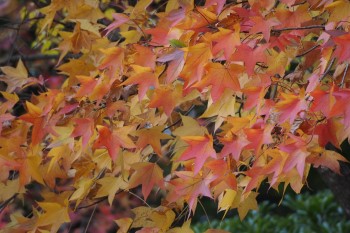
American sweetgum (Liquidambar styraciflua) is a deciduous tree known for its striking star-shaped leaves and distinctive spiky fruit, often called "gum balls." Native to eastern North America, it can grow tall and straight, typically reaching 60-80 feet, with a broad, pyramidal to rounded crown. The leaves emerge bright green in spring, turn rich shades of yellow, orange, red, or purple in the fall, and provide excellent seasonal color. Sweetgum produces small, inconspicuous flowers in spring, followed by hard, woody, spiny seed capsules that persist into winter. It is valued for its ornamental appeal, shade, and adaptability to a range of soil types.
Sweetgum, sweet gum, alligatorwood, star-leaved gum, American sweetgum, redgum, American storax, gum tree
Liquidambar styraciflua
Altingiaceae
Tree
Grows up to 80 feet tall and 60 feet wide
Thrives in full sun
Prefers well-drained, loamy soil
Grows best in acidic to neutral soil
Typically blooms in spring
Greenish-yellow
5 to 9, USDA
North America
How To Care American Sweetgum
American sweetgum is easy to care for when planted in full sun and well-drained, loamy soil. Water regularly during the first few years to establish strong roots, though mature trees are moderately drought-tolerant. Prune in late winter or early spring to remove dead or damaged branches and maintain a healthy shape. Fertilizer is usually unnecessary, but a balanced application in early spring can help if soil nutrients are low. With minimal pest or disease issues, this tree thrives and provides vibrant fall color and distinctive spiky seed pods.
Light
American sweetgum thrives in full sun and does not tolerate shade, so choose a planting site that receives plenty of direct sunlight to ensure healthy growth and vibrant fall foliage.
Soil
While American sweetgum can tolerate clay soil, it performs best in well-drained, loamy, and deep soil. Avoid planting in alkaline soil, as the tree prefers slightly acidic conditions for optimal growth.
Watering
American sweetgum should be watered regularly during its first few years to establish a strong root system. Once mature, it is moderately drought-tolerant but will benefit from occasional deep watering during prolonged dry periods to maintain healthy growth and vibrant foliage.
Temperature & Humidity
American sweetgum thrives in temperate climates and is hardy in USDA zones 5-9. It prefers moderate humidity and can tolerate a range of temperatures, from cold winters to warm summers, but performs best in areas with distinct seasonal changes.
Fertilizer
American sweetgum is a light feeder and typically only needs fertilization every few years. Use compost, manure tea, or a balanced all-purpose fertilizer to support healthy growth.
Pruning
Prune American sweetgum only to remove dead, diseased, or damaged branches, ideally right after blooming in April or May. Otherwise, the tree requires little to no pruning.
Propagating
American sweetgum is difficult to propagate from cuttings, so seed propagation is more common. However, to propagate from a green, non-woody stem, sterilize scissors with alcohol and cut just below a node. The cutting should be 4-6 inches long with two leaves and a node. Dip the cut end in rooting hormone, insert it into a hole in soilless potting mix, and firm the soil around it. Water thoroughly and cover with a clear plastic bag to retain moisture, placing the pot in bright, indirect light. Keep the soil moist and mist regularly. After a few weeks, gently tug the cutting-if it resists, roots have formed. Transfer the cutting to a larger container and allow it to grow to sapling size before planting outdoors.
From Seed
American sweetgum is most commonly propagated from seed. Collect mature spiky seed pods in mid to late autumn, once they have turned brown but before they dry completely. Bring the pods indoors to a dry area, and the seeds will be ejected in several days. Since the seeds require a cold stratification period, store them in a paper envelope in the refrigerator for 30-60 days. After stratification, sow the seeds outdoors in well-draining soil once all danger of frost has passed.
Potting & Repotting
When growing American sweetgum in a container, choose a deep pot with good drainage and fill it with well-draining, loamy soil. Plant the sapling at the same depth it grew previously, water thoroughly, and place it in full sun to partial shade. Repot only when the tree outgrows its container. Carefully remove the plant, preserving the root ball, and place it in a slightly larger pot with fresh, well-draining soil. Water lightly after repotting and maintain consistent sunlight and moisture until the tree is re-established.
Overwintering
American sweetgum requires little winter care once established. As a deciduous tree, it naturally drops its leaves and enters dormancy. Young or newly planted trees benefit from a layer of mulch around the base to protect roots from freezing temperatures. In colder regions, container-grown sweetgum should be moved to a sheltered, frost-protected area or insulated to prevent root damage. Avoid pruning during winter, and resume normal care in spring as new growth appears.
How To Bloom
American sweetgum blooms naturally with little intervention when grown in the right conditions. Plant the tree in full sun, as adequate light is essential for flower production. Ensure it is growing in well-drained, slightly acidic soil and receives regular water while young. Avoid heavy pruning, since flowers form on mature growth. Healthy, established trees will produce small, greenish-yellow flowers in spring without special care.
Pests, diseases, and other problems
American sweetgum (Liquidambar styraciflua) is usually resistant to pests, though stressed trees may occasionally attract aphids, scale insects, caterpillars, or borers. Disease problems are more frequent and include fungal leaf spot, which causes light or dark spotting on foliage and reduces photosynthesis, as well as powdery mildew in humid conditions. Poorly drained soil or excessive watering can lead to root rot, while canker diseases may result in branch dieback. Trees grown in alkaline soils are also prone to chlorosis, identified by yellowing leaves or veins due to nutrient deficiencies. Beyond pests and diseases, sweetgum trees can present other challenges, such as producing large numbers of hard, spiky seed balls that create litter and slipping hazards, and developing aggressive surface roots that may damage pavements or utilities. They are sensitive to compacted, poorly drained, or alkaline soils, may experience transplant shock when young, and can suffer from drought stress, air pollution, or limited root space in urban environments.