Growing and Caring for Anaheim Pepper
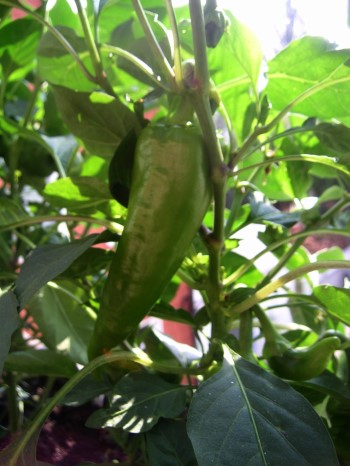
The Anaheim pepper (Capsicum annuum) is a mild chili pepper known for its long, slender shape and smooth, glossy skin. It typically grows 6-10 inches long and is harvested green, though it turns red when fully mature. Anaheim peppers have a gentle heat level, ranging from mildly warm to slightly spicy, with a subtly sweet, earthy flavor. They are commonly used in roasting, stuffing, grilling, and sauces, and are especially popular in Mexican and Southwestern cuisine due to their versatility and mild taste.
Anaheim pepper
Capsicum annum
Nightshade
Perennial
It reaches a height of about 2 to 5 feet and spreads roughly 18 inches wide.
Thrives in full sun
Well-draining loamy soil with a high sand content.
Soil pH that is slightly to moderately alkaline, ranging from 7.0 to 8.5.
Blooms in Summer, fall
White to pale greenish-white
5-12, USDA
North and South America, Caribbean
How To Care Anaheim Pepper
Anaheim pepper plants grow best in full sun and warm temperatures, thriving in well-drained, fertile soil such as sandy loam with a slightly acidic to basic pH. Water regularly to keep the soil evenly moist, but avoid overwatering, as soggy soil can cause root problems. Mulching helps retain moisture and regulate soil temperature. Feed plants with a balanced fertilizer during the growing season to encourage healthy growth and fruit production. Provide support if plants become heavy with peppers, and harvest fruits regularly to promote continued flowering and higher yields.
Light
Grow Anaheim peppers in a spot that gets plenty of sunlight, or use containers so the plants can be moved as needed. These sun-loving peppers need about 6 to 8 hours of direct sunlight daily to remain healthy and produce abundant fruit.
Soil
Anaheim peppers grow best in sandy loam soil. A soil test is helpful, as a pH between 7.0 and 8.5 supports optimal growth and plant health. For best results, enrich the soil with plenty of organic matter, such as compost or well-rotted manure.
Watering
Anaheim peppers need consistent moisture, particularly during hot and dry summer periods, but it's important not to overdo it. While they benefit from regular watering, excess water can lead to root rot, so the soil should never become waterlogged. Aim to provide about 1-2 inches of water per week, applying it directly to the soil at the base of the plant rather than over the leaves to help prevent leaf rot and disease.
Temperature & Humidity
Anaheim peppers thrive in southern regions with plenty of sun and warm, dry conditions. They should be planted when air temperatures are above 75°F and the soil has warmed to at least 60°F for seeds or seedlings. Select a location that receives full sunlight and has good air circulation. These sun-loving nightshades can also be grown in greenhouses, but it's important to use fans to prevent excessive humidity, which can harm the plants.
Fertilizer
For optimal growth, start your Anaheim pepper plant with some fertilizer, and consider adding rock phosphate or bone meal to promote strong root development. As the plant matures, apply a low-nitrogen fertilizer every few weeks. Organic fertilizers work well, but whichever type you choose, be sure to follow the recommended amounts and application instructions to protect the plant from damage.
Pruning
Proper pruning can significantly boost your pepper plant's yield. While not strictly necessary, pruning improves airflow, reduces the risk of rot and pests, and supports a healthier, more productive plant. Begin early pruning about a week after transplanting seedlings by pinching off roughly an inch from the main stem. This encourages the growth of two strong branches, leading to a sturdier plant. Remove the first set of flowers that appear, as they develop too early; this allows the plant to concentrate energy on root and branch development before producing fruit. Later, trim any branches or leaves that touch the soil to prevent rot, pest damage, and potential loss of the plant.
Propagating
Propagating peppers can be slow and isn't always guaranteed to succeed, but it's worth trying if you have a strong, tasty, or disease-resistant plant. Start by selecting a young branch to cut. Using a sharp knife, make a clean cut at the branch's base. Keep a few leaves at the top and remove all lower leaves, flowers, and fruit. Place the cut end in a glass of water, ensuring at least one node is submerged, and keep it in indirect light, refreshing the water as needed. When roots reach 1-2 inches in length, transplant the cutting into soil or a hydroponic system.
From Seed
Anaheim peppers are sensitive to cold and thrive in warm conditions, so wait to plant them outdoors until the soil is heated and frost is no longer a threat. You can start seeds indoors in a tray or seedling system about six weeks before your region's average last frost date. Sow seeds roughly 0.2 inches deep and place them in a sunny, draft-free spot. When both air and soil temperatures are suitable-nighttime temps above 50°F-and seedlings have reached at least 3 inches tall, transplant them into your garden or containers, following proper care for soil, fertilizer, and watering.
Potting & Repotting
Anaheim peppers grow well in containers, making potting and repotting straightforward. Start with a well-draining pot that's at least 12 inches deep to accommodate the roots. Use sandy loam or a high-quality potting mix enriched with compost or organic matter. When repotting, choose a container slightly larger than the current one to allow for growth. Carefully remove the plant, keeping the root ball intact, and place it in the new pot with fresh soil. Water thoroughly after repotting and continue regular care, ensuring the plant receives 6-8 hours of sunlight and adequate drainage to prevent root rot. Repotting is best done when the plant shows signs of being root-bound or when growth slows due to limited space.
Overwintering
Anaheim peppers are tender perennials that don't tolerate frost, so in cooler climates, they need protection to survive the winter. Before the first frost, you can bring potted plants indoors to a sunny, warm location, such as a south-facing window or greenhouse. If planted in the ground, dig up the plant carefully, keeping the root ball intact, and transfer it to a container with fresh soil. Reduce watering during winter, as the plant's growth slows, but keep the soil slightly moist. Trim any dead or damaged leaves to maintain plant health. With proper care, your Anaheim pepper can survive the winter indoors and be ready to resume growth and fruiting when temperatures rise again in spring.
How To Bloom
To encourage Anaheim peppers to bloom, provide them with 6-8 hours of direct sunlight each day and maintain warm temperatures, ideally between 70-85°F during the day and above 55°F at night. Plant them in well-draining, nutrient-rich soil and use a low-nitrogen fertilizer to support flower and fruit development rather than excessive leaf growth. Keep the soil evenly moist without overwatering, and prune early flowers or crowded branches so the plant can focus energy on producing strong, healthy blooms. With proper care, flowering typically begins in mid to late summer, leading to a steady fruit set.
Pests, diseases, and other problems
While mammals generally ignore pepper plants, they are attractive to several common garden insect pests. Aphids can feed on the leaves, potentially spreading diseases and weakening the plant. Flea beetles leave small holes and cause yellowing, while leafhoppers can rapidly transmit mosaic virus. To reduce pest problems, keep garden beds clean in the fall to eliminate leaf debris that can harbor insects, and consider using floating row covers when plants are not flowering. Preventing disease is also easier with proper plant spacing, well-draining soil, and regular crop rotation every few years.