Growing and Caring for Anemone
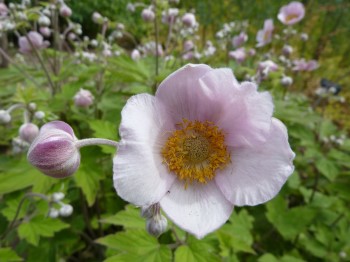
The anemone is a perennial flowering plant known for its vibrant, poppy-like blooms and delicate, feathery foliage. Typically growing 6 to 48 inches tall, anemones produce flowers in a variety of colors, including white, pink, red, purple, and blue, depending on the species. They thrive in well-draining soil with partial to full sunlight and are often used in garden borders, rock gardens, or as early spring and fall bloomers. Anemones are relatively low-maintenance, adding a splash of color and elegance to any garden setting.
Anemone, windflower, poppy windflower, Grecian windflower
Anemone spp.
Ranunculaceae
Herbaceous, perennial
It grows to a height of 6 to 48 inches and spreads approximately 2 to 3 feet wide.
Thrives in full sun to partial shade
Prefers Moist soil
Grows best in acidic to neutral soil
Blooms in Spring, summer, fall
Red, orange, blue, yellow, white, purple, pink
3-10, USDA
Europe, Asia, Mediterranean, North America
How To Care Anemone
To care for anemone plants, plant them in well-draining soil with a location that receives partial to full sunlight. Keep the soil consistently moist but avoid waterlogging, as overly wet conditions can cause root rot. Mulching around the base helps retain moisture and regulate soil temperature. Deadhead spent flowers to encourage continued blooming, and trim back foliage after it dies down in late season. Providing proper spacing ensures good air circulation, which helps prevent disease and keeps the plants healthy and vibrant year after year.
Light
Most anemone species grow best in locations that get at least half a day of direct sunlight. While some types do better in partial shade, they still need a minimum of four hours of sunlight each day.
Soil
Plant anemones in moist, well-draining soil, enriched with compost, leaf mold, or other organic matter before planting. While they tolerate a range of soil pH levels, they grow best in slightly acidic conditions.
Watering
Water anemones consistently when weekly rainfall is less than one inch, keeping the soil lightly moist by watering slowly to ensure proper absorption. Some varieties have unique requirements; for instance, wood anemone (A. nemorosa) dies back in midsummer and doesn't need watering until it begins regrowing in the fall.
Temperature & Humidity
Anemones prefer cool temperatures, with most species thriving in daytime temps of 58-65°F and nighttime temps of 42-50°F. They can grow in USDA hardiness zones 3-10, though no single species is suitable for all zones. For example, A. blanda and its cultivars grow well in zones 4-8, while A. coronaria thrives in zones 7-10. In colder regions, tender anemones can be treated as annuals by planting new corms each spring. They don't have special humidity needs as long as the soil remains properly moist.
Fertilizer
If you like, you can add bone meal to the soil in the fall for spring-blooming anemones or in the spring for fall bloomers to provide a nutrient boost. No further fertilization is necessary or recommended.
Pruning
Pruning anemones involves removing spent flowers and trimming back foliage once it begins to die back. This helps maintain plant health, prevents disease, and encourages stronger growth in the next season. For varieties that die back completely, such as wood anemones, wait until new growth appears before resuming regular care. Regular pruning keeps the plants tidy and promotes more vigorous blooms year after year.
Propagating
Although anemone species have different root types, they can all be propagated by digging up their corms or tubers, dividing them, and replanting. In gardens with wet winter soil, it's helpful to lift the roots for storage. In the fall, once the foliage begins to die back, dig up the root clumps or corms. For corm-type anemones, separate any offset corms, discarding those that are soft or decayed. For rhizomatous varieties, shake off most soil and divide the roots into sections, ensuring each piece includes part of the crown. Replant immediately or store the roots in a cool, dry place for spring planting. If stored, soak them overnight in water before planting to rehydrate. Unlike many bulbs, anemone corms and tubers are irregularly shaped and will grow properly regardless of their orientation in the soil.
From Seed
Propagating anemones from seed is slow and often unpredictable, typically attempted only by dedicated hobbyists or professionals developing new cultivars through controlled cross-pollination. To try it, collect seeds from dried flower heads and sow them in a cold frame outdoors filled with loose, well-draining soil, covering them lightly. Once they sprout, leave the seedlings outside over winter under a thick layer of mulch, then transplant them individually in spring. If starting seeds indoors, they require a cold stratification period of three to four weeks before sowing in a bright location to encourage germination.
Potting & Repotting
Not all anemone species grow well in containers, but Anemone coronaria and its many cultivars are suitable. Use a large pot (12-14 inches) filled with standard potting soil mixed with well-decomposed compost. Space corm-type anemones at least four inches apart, while rhizomatous types should be planted one per pot. Potted anemones generally do not thrive indoors but can be overwintered in an unheated greenhouse or other sheltered locations that provide the necessary winter chill. If rhizomatous plants become root-bound, divide the root clump and replant to maintain healthy growth.
Overwintering
As long as the anemone species is suited to your hardiness zone, no special winter protection is required. Most gardeners simply cut back flower stalks and foliage to ground level during regular winter cleanup. For species that are only marginally hardy in your area, applying a layer of mulch over the root crowns can help protect them from winter damage.
How To Bloom
Anemones are prized for their beautiful cut flowers, which can last up to two weeks after harvesting. They typically bloom in spring, summer, and fall, often flowering in their first season. The timing of planting depends on the bloom cycle: spring-blooming varieties are planted in the fall, while fall-blooming types are planted in the spring. Anemone flowers are cup-shaped and come in a wide range of colors, including red, pink, blue, yellow, purple, and white, with some varieties producing double, frilly blooms. Many blooms emit a woody, fruity fragrance. Anemones flourish in moderately rich, moist soil, and poor flowering is usually a result of overcrowded roots. Dividing the root clumps or corms and replanting can restore vigorous blooming. Additionally, a yearly application of bone meal mixed into the soil can give the plants a gentle nutrient boost to support healthy, abundant flowers.
Pests, diseases, and other problems
Anemones are generally low-maintenance flowers with few problems. While it's normal for them to sway in the wind, some taller species may struggle to remain upright, especially if they aren't getting enough sunlight. In such cases, staking can help prevent flopping. Snails and slugs can also cause damage; using saucers of beer or slug/snail bait can control these pests. Extremely cold winters-or sudden thaws followed by hard freezes-can kill some anemone species, leaving no option but to replant. To avoid this in the future, consider lifting and storing the corms or roots over winter for replanting in spring.