Growing and Caring for Angelica Plant
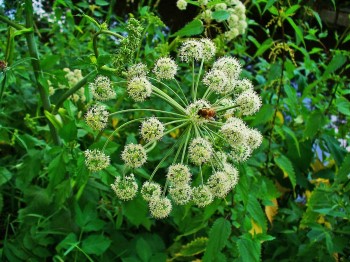
Angelica is a tall, aromatic biennial or short-lived perennial herb prized for its bold foliage and medicinal history. It forms large, deeply divided green leaves and thick, hollow stems that can reach 1.5-2.5 meters in height. In its second year, angelica produces dramatic, rounded umbels of small greenish-white flowers that attract pollinators. The plant thrives in cool climates with moist, fertile soil and partial shade, and all parts of the plant-especially the roots and stems-are fragrant and traditionally used in herbal remedies, flavoring, and confectionery.
Angelica, Norwegian angelica, wild celery
Angelica archangelica
Apiaceae
Herb, biennial
Grows to a height of about 3 to 6 feet
Thrives in full sun to partial shade
Moist, yet well-drained
Prefers acidic soil
Blooms in Summer
Green, white
4-7, USDA
Greenland, Europe
How To Care Angelica Plant
Angelica grows best in partial shade to full sun and prefers rich, fertile, consistently moist soil with good drainage. Water regularly to prevent the soil from drying out, especially during warm weather, and apply mulch to retain moisture and keep roots cool. Feed the plant with compost or a balanced fertilizer during the growing season, and provide support if needed, as tall stems can flop in windy conditions. Remove flower stalks to prolong leaf production, and ensure good air circulation to reduce pest and disease issues.
Light
Angelica's light requirements vary with climate. Native to cool regions, it thrives in moist, cooler soils. In warmer areas, it should be planted where it receives partial shade to protect it from heat, while in cooler climates, angelica grows best in full sun.
Soil
Because angelica is very adaptable, its main soil requirement is consistent moisture. It tolerates a wide range of conditions but performs best in slightly acidic soil with a pH of 7.0 or lower. You can easily test and adjust the soil pH if needed, though the plant usually grows well unless the soil is extremely alkaline.
Watering
If your angelica plants aren't growing in an area with reliable rainfall or natural moisture, they will need frequent watering. Keep the soil consistently cool and moist to the touch, but avoid letting it become waterlogged.
Temperature & Humidity
Angelica prefers cool to mild temperatures, growing best between about 10-21 °C. It does not tolerate extreme heat well, so some protection from hot afternoon sun is beneficial in warmer climates. The plant thrives in high humidity and consistently moist air, which helps keep foliage healthy and prevents stress, especially during dry periods.
Fertilizer
Like most herbs, angelica does not require regular fertilization. Incorporating a small amount of compost into the planting site at the start is usually sufficient to support healthy growth.
Pruning
Angelica requires very little pruning. Remove any damaged, yellowing, or diseased leaves as needed to keep the plant tidy and improve air circulation. You can also cut back flower stalks if you want the plant to focus more energy on leaf growth, though allowing it to flower and set seed will not harm the plant.
Propagating
Angelica is most commonly propagated from seed, as it does not transplant or divide easily. Seeds should be sown fresh, as they lose viability quickly, either directly in the garden or in trays kept cool and moist. Germination can be slow and irregular, so consistent moisture and cool conditions are important for success.
From Seed
Angelica is best grown from seed, as the seeds lose viability quickly and should be sown fresh. Sow them on the soil surface or lightly cover them, since light helps germination. Keep the soil consistently moist and cool; germination may take several weeks. Once seedlings are established, thin or transplant them carefully, as angelica dislikes root disturbance.
Potting & Repotting
Angelica can be grown in containers, but it needs a deep pot to accommodate its long taproot. Use a rich, well-draining potting mix that retains moisture, and ensure the container has good drainage holes. Repot only if necessary, ideally when the plant is still young, as angelica does not tolerate root disturbance well; move it carefully into a slightly larger pot to avoid damaging the roots.
Overwintering
Angelica is fairly hardy and can overwinter in the ground in cool climates. To help it survive winter, cut the plant back to ground level in autumn and apply a layer of mulch to protect the roots from severe cold. In very cold or exposed areas, additional protection such as straw or leaf mulch can help prevent winter damage.
How To Bloom
Angelica blooms naturally in its second year, as it is a biennial plant. To encourage flowering, grow it in cool conditions with partial shade, keep the soil consistently moist, and avoid removing flower stalks. Allow the plant to experience winter cold, as this chilling period is needed to trigger blooming in the following growing season.
Pests, diseases, and other problems
Angelica is generally resilient but can face a few pests and diseases. Common pests include aphids, slugs, and snails, which may chew on leaves or stunt growth. Diseases are rare but can include fungal issues like powdery mildew or root rot if the soil is poorly drained or kept too wet. Other problems may arise from environmental stress, such as yellowing leaves from overwatering, wilting in drought, or bolting too early in overly hot conditions. Keeping the plant in moist, well-drained soil with good air circulation helps prevent most issues.