Growing and Caring for Angelina Stonecrop
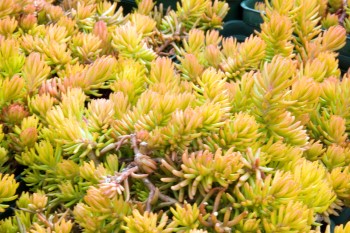
Angelina Stonecrop (Sedum rupestre 'Angelina') is a low-growing, evergreen succulent known for its bright, golden-yellow foliage that turns a rich orange in cooler weather. It forms dense mats or spreading groundcover, making it ideal for rock gardens, borders, or container planting. The plant produces small, star-shaped yellow flowers in summer, attracting pollinators. Extremely hardy and drought-tolerant, Angelina Stonecrop thrives in full sun and well-draining soil, requiring minimal maintenance while adding vibrant color and texture to any garden.
Angelina stonecrop, rocky stonecrop
Sedum rupestre 'Angelina'
Crassulaceae
Herbaceous perennial
It grows 4-6 inches in height and spreads 1-3 feet in width.
Thrives in full sun to partial shade
Moderately moist, yet well-drained
Prefers slightly acidic to neutral soil with a pH of 6.0 to 7.0.
Blooms in Summer
Yellow
3-9, USDA
Turkey, Europe
How To Care Angelina Stonecrop
'Angelina' Stonecrop is a low-maintenance succulent that thrives in full sun and well-draining soil. Water sparingly, allowing the soil to dry between watering, as overwatering can cause root rot. It tolerates drought and poor soils, making it ideal for rock gardens or containers. Trim back any overgrown or damaged stems to maintain its dense, spreading habit, and enjoy its vibrant golden foliage year-round, which may deepen to orange in cooler weather.
Light
'Angelina' Stonecrop grows best in full sun, which enhances the vibrant golden color of its foliage, though it can tolerate some light shade.
Soil
'Angelina' Stonecrop prefers well-draining soil with a neutral pH and thrives in sandy or gravelly soils with low fertility. Its shallow roots can spread easily through small crevices in rocky areas.
Watering
Angelina' Stonecrop needs regular watering when first planted, but it can't tolerate waterlogged or heavy clay soils, which may kill it. Once established, it becomes drought-tolerant. Container-grown plants require more frequent watering than those in the ground. For containers, water thoroughly until water drains from the bottom, then wait 5-7 days, check that the soil is dry an inch or two down before watering again. In late fall and winter, reduce watering to every 10-14 days.
Temperature & Humidity
'Angelina' Stonecrop thrives in a wide range of temperatures and is hardy in USDA zones 3-9. It prefers full sun but can tolerate some shade. The plant is drought-tolerant and does well in average humidity, as long as the soil drains well, making it suitable for both dry and moderately humid climates.
Fertilizer
Stonecrop plants like 'Angelina' prefer lean soil, so fertilization is usually unnecessary. Chemical fertilizers can make the plant stretch and flop, so if your soil is low in nutrients, adding compost is a safer alternative.
Pruning
Pruning 'Angelina' Stonecrop is simple and mainly for maintaining shape and removing any damaged or overgrown stems. Trim back leggy growth in spring to encourage dense, compact foliage, and cut away any dead or discolored stems as needed. Light pruning after flowering can also help keep the plant looking tidy and vibrant.
Propagating
'Angelina' Stonecrop is easily propagated through stem or leaf cuttings. Simply take healthy cuttings, let them dry for a day or two to callous, and then plant them in well-draining soil. The cuttings will root quickly, allowing you to expand your groundcover or share plants with ease.
From Seed
While 'Angelina' Stonecrop can be grown from seed, it is slow and less commonly propagated this way. Sow seeds on the surface of well-draining soil, as they need light to germinate, and keep the soil lightly moist. Germination may take a few weeks, and seedlings should be handled carefully, as they are delicate when young.
Potting & Repotting
'Angelina' Stonecrop grows well in containers with good drainage. Use a well-draining succulent or cactus soil mix to prevent waterlogging. Repot only when the plant outgrows its pot, carefully transferring it to a slightly larger container to avoid disturbing its shallow, spreading roots.
Overwintering
'Angelina' Stonecrop is hardy and can usually overwinter outdoors in USDA zones 3-9. In colder or exposed areas, protect it with a layer of mulch or move container-grown plants indoors to a cool, bright location. Ensure the soil remains well-drained during winter to prevent root rot.
How To Bloom
'Angelina' Stonecrop produces yellow, star-shaped flowers in mid-summer that last about four weeks, attracting bees, butterflies, birds, and other pollinators. Most sedums have a faint, sweet fragrance. Typically, 'Angelina' won't bloom during its first or second year, but once mature, it reliably flowers annually. To encourage blooming, cut back dead stems in early spring with sharp, sterilized pruning shears to promote healthy new growth. If a mature plant isn't flowering, it may be receiving too little sun or growing in waterlogged soil, as stonecrops rarely bloom in shade or soggy conditions. After flowering, prune the spent flower stalks down to the base to tidy the plant and potentially stimulate a second bloom if conditions are favorable.
Pests, diseases, and other problems
'Angelina' Stonecrop is generally low-maintenance and resistant to most pests and diseases, but a few issues can occur. Common pests include aphids, mealybugs, and snails or slugs, which may feed on leaves or stems. Overwintering or poor drainage can lead to root rot or fungal diseases such as powdery mildew. Other problems include leggy or stretched growth caused by insufficient sunlight and yellowing leaves from excessive moisture. Maintaining full sun exposure, well-draining soil, and moderate watering helps prevent most of these issues.