Growing and Caring for Angelonia
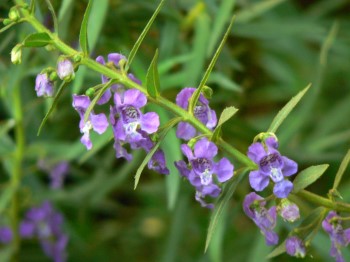
Angelonia, commonly known as summer snapdragon, is a warm-season flowering plant valued for its upright spikes of colorful blooms and long-lasting performance in the garden. It produces small, snapdragon-like flowers in shades of purple, pink, blue, white, and bi-colors from late spring through fall. Angelonia thrives in full sun and hot, humid conditions, making it an excellent choice for borders, containers, and mass plantings. The plant has glossy, narrow green leaves that release a light grape-like fragrance when crushed, and its tidy, bushy growth habit requires minimal maintenance.
Angelonia, summer snapdragon
Angelonia angustifolia
Plantaginaceae
Perennial, annual
Grows about 12 to 24 inches tall and spreads roughly 9 to 12 inches wide.
Thrives in full sun
Moist, yet well-drained
Prefers acidic soil
Blooms in Summer
White, purple, pink
9-11, USDA
North America, Caribbean
How To Care Angelonia
Angelonia is a low-maintenance plant that thrives in full sun and warm temperatures. Plant it in well-draining soil and water regularly during establishment, then reduce watering once it becomes drought tolerant. It performs best in heat and humidity and benefits from occasional feeding with a balanced fertilizer to support continuous blooming. Deadheading is not required, but light trimming can encourage bushier growth, and the plant is generally resistant to most pests and diseases.
Light
Plant angelonia in full sun so it has enough energy for continuous flowering. Without at least six to eight hours of direct sunlight, plants tend to become tall and leggy and produce fewer blooms.
Soil
Angelonia adapts to many soil types but grows best in slightly acidic soil with a pH between 5.5 and 6.2. Soil enriched with organic matter helps retain moisture and nutrients, reducing the need for frequent watering and fertilizing. Good drainage is essential to prevent root rot, so if the soil is heavy clay, amend it to improve texture or plant angelonia in raised beds or containers.
Watering
Water young angelonia plants regularly to maintain evenly moist soil. Once established, they will continue to bloom even during brief dry spells. Water when the top few inches of soil feel dry, and apply mulch around the plants to help retain soil moisture.
Temperature & Humidity
Angelonia thrives in hot summer temperatures and high humidity, performing especially well in regions with long, warm seasons. It excels in humid southern climates and can also grow successfully in drier areas when given a bit of extra watering.
Fertilizer
Angelonia is a light feeder and requires minimal fertilization, as too much fertilizer encourages leafy growth rather than flowers. A small amount of granular flower fertilizer applied at planting time is usually enough for the whole season. Always follow the product label instructions for proper application rates.
Pruning
Angelonia requires very little pruning. Deadheading is not necessary, as the plant naturally continues to bloom. If plants become leggy or overgrown during the season, lightly trim them back to encourage bushier growth and fresh flowering.
Propagating
Angelonia is easily propagated from stem cuttings. Take a three-inch cutting from the tip of a healthy, non-flowering stem using a sharp knife. Remove all leaves except the top pair so the cutting can focus on root development. Plant the cutting in a small pot filled with moist, soilless potting mix, making a hole first with a pencil or finger. Dip the cut end in rooting hormone before inserting it into the soil. Keep the soil consistently moist, and once new leaves appear, the cutting is ready to be transplanted into the garden.
From Seed
Angelonia can be grown from seed, though it requires a bit of patience. Start seeds indoors 6-8 weeks before the last expected frost. Sow the seeds on the surface of a moist seed-starting mix, as they need light to germinate, and press them gently into the soil without covering them. Keep the soil evenly moist and maintain warm temperatures. Germination usually occurs within one to two weeks. Once seedlings develop a few true leaves, transplant them into individual pots and harden them off before planting outdoors in full sun.
Potting & Repotting
Angelonia grows well in containers when planted in well-draining potting mix and a pot with drainage holes. Choose a container that allows enough space for root growth and place it in full sun. Water when the top layer of soil feels dry, as potted plants dry out faster than those in the ground. Repot angelonia only if it becomes root-bound or outgrows its container, moving it to a slightly larger pot with fresh potting mix. Repotting is best done in spring to minimize stress and encourage healthy new growth.
Overwintering
Angelonia is a tender perennial often grown as an annual in cooler climates. To overwinter it, bring container-grown plants indoors before temperatures drop below about 10°C (50°F). Place them in a bright, sunny location and reduce watering, keeping the soil just slightly moist. Cut the plant back lightly to maintain a compact shape and encourage new growth. In warm, frost-free regions, angelonia can be left outdoors year-round, where it may return and bloom again the following season.
How To Bloom
Angelonia's tough nature and long blooming season make it a popular choice for summer flower beds and containers. It blooms throughout summer, producing clusters of small, orchid-like flowers in shades of white, pink, mauve, violet, and purple along the tips of sturdy stems with narrow green leaves. The plant also has a pleasant fruity fragrance that is especially noticeable on warm summer evenings, and its nectar-rich flowers attract pollinators. For best performance, angelonia needs plenty of sunlight-at least six hours of direct sun daily. These low-maintenance plants do not need deadheading and will provide continuous blooms for many weeks.
Pests, diseases, and other problems
Angelonia is generally hardy and low-maintenance but can occasionally face some issues. Pests like aphids, spider mites, and whiteflies may appear, causing distorted growth or sticky leaves, but they are usually easy to control with insecticidal soap or water sprays. Disease problems are rare, though overwatering or poor drainage can lead to root rot, and high humidity with poor air circulation may cause fungal leaf spots or powdery mildew. Common growing problems include leggy growth or fewer blooms from insufficient sunlight, and excessive fertilization can promote leafy growth at the expense of flowers. Proper sunlight, well-draining soil, and moderate watering help keep angelonia healthy and flowering.