Growing and Caring for Anthurium Clarinervium
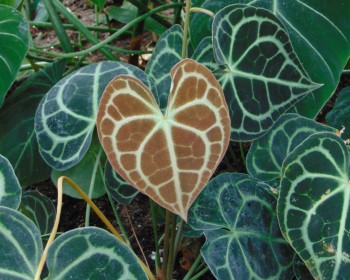
Anthurium clarinervium is a striking tropical plant prized for its heart-shaped, velvety dark green leaves with prominent, contrasting white veins that create a dramatic, architectural look. Native to the cloud forests of Mexico, it is an epiphytic plant that naturally grows on trees, requiring high humidity, warm temperatures, and bright, indirect light. The leaves are thick, leathery, and often have a slightly puckered texture, making them highly ornamental. While it produces the typical anthurium flowers-waxy spathes surrounding a central spadix-they are small and less showy than the foliage, so the plant is primarily grown for its decorative leaves. Anthurium clarinervium thrives in well-draining, airy soil and benefits from consistent moisture, high humidity, and protection from direct sunlight.
Velvet cardboard anthurium, velvet anthurium, velvet leaf anthurium
Anthurium clarinervium
Araceae
Perennial, herbaceous
Grows approximately 6-12 inches in height and width.
Thrives partial shade
Prefers well-draining soil
Prefers acidic soil
Blooms in spring and summer
Greenish-white to pale green
11-12, USDA
North America
How To Care Anthurium Clarinervium
Caring for Anthurium clarinervium involves mimicking its natural tropical habitat. Place the plant in bright, indirect light, avoiding direct sunlight that can scorch its velvety leaves. Use a well-draining, airy potting mix such as a blend of orchid bark, peat, and perlite to prevent root rot. Keep the soil consistently moist but never waterlogged, allowing the top inch to dry slightly between waterings. Maintain high humidity and warm temperatures around 65-80°F (18-27°C), misting regularly or using a humidifier if needed. Feed monthly during the growing season with a diluted, balanced fertilizer, and remove any yellowing or damaged leaves to encourage healthy growth. Proper care ensures the plant thrives and occasionally produces its subtle, pale flowers, though it is primarily grown for its striking foliage.
Light
Place Anthurium clarinervium in a location with bright, indirect light, such as near an east-facing window or in a room with south- or west-facing windows. Avoid direct sunlight, which can scorch the leaves.
Soil
The soil for Anthurium clarinervium should be light, coarse, and well-draining. You can use a ready-made orchid potting mix or create your own by combining equal parts orchid mix and regular houseplant potting soil.
Watering
Keep the soil for Anthurium clarinervium consistently moist, but never allow it to dry out completely. Water slowly and thoroughly until excess drains from the pot's holes, and only water again when the top inch of soil feels dry.
Temperature & Humidity
Anthurium clarinervium thrives in warm temperatures between 65-80°F (18-27°C) and should be protected from cold drafts or temperatures below 60°F (16°C). It prefers high humidity, ideally 60-80%, which can be maintained by regular misting, a humidity tray, or using a humidifier, mimicking its native tropical environment.
Fertilizer
Anthurium clarinervium requires minimal fertilization. Apply a balanced, all-purpose houseplant fertilizer every two months during the active growing season in spring and summer.
Pruning
Pruning Anthurium clarinervium helps maintain its shape and overall health. Remove yellowing, damaged, or dead leaves by cutting them at the base with a clean, sharp, sterile tool. You can also trim spent flower spikes once they begin to brown. Regular pruning encourages new growth and keeps the plant looking tidy, but avoid removing too many leaves at once-always leave several healthy leaves to sustain the plant.
Propagating
Like other anthuriums, Anthurium clarinervium produces side shoots over time, which are the easiest and fastest way to propagate new plants. Propagation is best done in spring or early summer to allow the new plant to establish before dormancy. To propagate, select a strong side shoot with at least one mature leaf and several aerial roots. Using a sharp, sterile knife or pruners, carefully remove the shoot with a clean cut at its base. Prepare a pot large enough for the roots and main stem, filling it one-third full with a well-draining potting mix. Position the side shoot on top, covering the aerial roots while keeping leaf nodes and leaves above the soil. Water slowly and thoroughly until excess drains from the pot, then place it in a warm, bright location with indirect light. New growth should appear within 4-6 weeks.
From Seed
Growing Anthurium clarinervium from seed is possible but slow and requires patience. Use fresh seeds, as they lose viability quickly, and sow them on the surface of a moist, well-draining medium such as sphagnum moss or a peat-perlite mix, lightly pressing them in without covering. Keep the medium warm and humid, ideally around 75-85°F (24-29°C), with bright, indirect light. Germination can take several weeks, and seedlings grow slowly, often taking 2-3 years to reach a size where they produce their distinctive heart-shaped leaves and eventually bloom.
Potting & Repotting
When buying a new Anthurium clarinervium, check that the potting medium is porous and well-draining. If unsure, repot the plant immediately in the same container using fresh potting mix. Generally, repotting is needed only every 2-3 years or when roots reach the edges of the pot, with spring being the ideal time. Choose a pot no more than 2 inches wider than the current one, ensuring it has large drainage holes. Fill the new pot about one-third full with fresh mix, place the plant in the center, and gently add more mix around the base. Water thoroughly after repotting to help the plant settle.
Overwintering
To overwinter Anthurium clarinervium, keep it in a warm, frost-free environment with temperatures above 60°F (16°C). Reduce watering, allowing the top inch of soil to dry slightly between waterings, and pause fertilization until active growth resumes in spring. Maintain high humidity by misting, using a humidity tray, or a humidifier, and place the plant in bright, indirect light. Remove any yellowing or damaged leaves, and avoid exposing the plant to cold drafts or sudden temperature changes during the winter months.
How To Bloom
To encourage Anthurium clarinervium to bloom, provide bright, indirect light-insufficient light is the most common reason for poor flowering. Maintain high humidity (60-80%) and keep the soil consistently moist but well-draining. Feed the plant regularly during the growing season with a balanced, phosphorus-rich fertilizer to support flower development. Avoid root crowding by repotting when necessary, as a root-bound plant may produce fewer blooms. Removing yellowing leaves and spent flowers also helps redirect energy toward new growth and flowering. With proper care, the plant may occasionally produce its subtle, waxy spathes atop a central spadix.
Pests, diseases, and other problems
Anthurium clarinervium is prone to common houseplant pests such as aphids, mealybugs, spider mites, whiteflies, and scale. Light infestations can often be managed by placing the plant in a sink or bathtub and washing the pests off with a gentle stream of water. Persistent problems may require treatment with insecticidal soap. Early detection and treatment are key to preventing damage. Brown leaf tips usually indicate low humidity. While misting provides a temporary fix, a humidifier is more effective at maintaining consistent moisture in the air. Root rot can result from both overwatering and compacted, poorly draining soil. Check the soil and repot with a fresh, well-draining mix if needed, and adjust your watering schedule to allow the top inch of soil to dry before watering again. Yellow leaves can have multiple causes, including overwatering, underwatering, poor drainage, or a pot that is too large, which can lead to slow-drying soil. Similarly, curling leaves may be caused by too dry or too wet soil, low humidity, or temperatures that are either too hot or too cold, as the plant curls its leaves as a protective response. Regularly monitoring soil moisture, humidity, and temperature helps prevent these issues and keeps the plant healthy.