Growing and Caring for Anthurium crystallinum
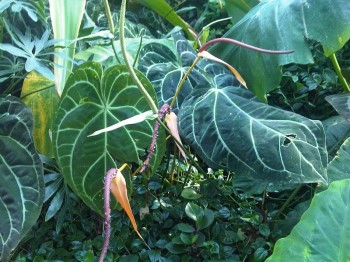
Anthurium crystallinum is a striking tropical plant celebrated for its large, velvety, heart-shaped leaves with pronounced, silvery-white veins that contrast beautifully against the deep green foliage. Native to the rainforests of Central and South America, it is an epiphytic aroid, naturally growing on trees with roots exposed to air and high humidity. The leaves have a slightly puckered, textured surface and can reach impressive sizes under optimal conditions, making the plant primarily prized for its ornamental foliage rather than its flowers. Like other anthuriums, it produces small, subtle flowers consisting of a waxy spathe and spadix, but they are rarely the focus. Anthurium crystallinum thrives in bright, indirect light, high humidity, and well-draining, airy soil, with consistent moisture and protection from direct sunlight.
Crystal anthurium
Anthurium crystallinum
Araceae
Perennial
Reaches a height of approximately 2-3 feet and spreads 1-2 feet wide.
Thrives partial shade
Moist, yet well-drained
Grows best in acidic to neutral soil
Blooms throughout the year
Pale green or whitish spathe surrounding a yellowish or cream-colored spadix
11-12, USDA
Central America, South America
How To Care Anthurium Crystallinum
Caring for Anthurium crystallinum involves recreating its tropical rainforest environment. Place the plant in bright, indirect light, avoiding direct sun that can scorch its velvety leaves. Use a light, well-draining, and airy potting mix, such as a blend of orchid bark, peat, and perlite, to prevent root rot. Keep the soil consistently moist but never waterlogged, allowing the top inch to dry slightly between waterings. Maintain high humidity (60-80%) and warm temperatures around 65-80°F (18-27°C), using a humidifier or humidity tray if needed. Feed monthly during the growing season with a diluted, balanced fertilizer, and remove yellow or damaged leaves to encourage healthy growth. With proper care, the plant may occasionally produce its subtle flowers, though it is mainly prized for its dramatic foliage.
Light
A key factor for keeping Anthurium crystallinum healthy is providing the right light. These plants thrive in bright, indirect light, similar to the dappled sunlight they receive under a rainforest canopy in their natural habitat. Direct sunlight can scorch their delicate, veined leaves, while too little light can stunt growth and diminish the size and vibrancy of their foliage. An east-facing window is ideal, while a south-facing window may require a sheer curtain to filter light. In rooms with limited natural light, grow lights can help the plant flourish.
Soil
Avoid using regular potting soil for Anthurium crystallinum, as it requires a light, airy, and well-draining mix to thrive. A good homemade blend is two parts potting soil, one part perlite, and one part peat moss or coconut coir, which maintains consistent moisture while providing adequate air to the roots and preventing waterlogging. If you prefer a ready-made option, use high-quality orchid soil and mix in some gravel and perlite for extra drainage.
Watering
Although Anthurium crystallinum prefers consistently moist soil, overwatering can easily lead to root rot. Allow the top 2 inches of soil to dry out before watering again, checking moisture by inserting your finger rather than relying on a schedule or appearance. Avoid getting water on the leaves, as wet foliage can promote pests and fungal diseases.
Temperature & Humidity
Anthurium crystallinum thrives in warm, stable temperatures between 65-80°F (18-27°C) and should be kept away from cold drafts or sudden temperature changes below 60°F (16°C). The plant prefers high humidity, ideally 60-80%, which can be maintained with regular misting, a humidity tray, or a humidifier, replicating its native tropical rainforest conditions.
Fertilizer
Although Anthurium crystallinum doesn't require heavy feeding, providing nutrients during the spring and summer growing season encourages lush, healthy foliage. Use an organic fertilizer like natural fish emulsion or a half-strength balanced houseplant fertilizer once a month. Always follow the instructions on commercial fertilizers and avoid overfeeding, as excessive fertilization can cause root burn.
Pruning
Pruning Anthurium crystallinum is generally not required, but in low-humidity environments, leaves may develop brown or crispy edges. In such cases, it's safe to trim the affected leaves. However, addressing the humidity issue is essential, as new leaves will continue to suffer until proper moisture levels are restored.
Propagating
Anthurium crystallinum is most easily propagated through division. Over time, the plant produces side shoots or offsets that can be separated from the main plant. Choose a healthy shoot with at least one mature leaf and some aerial roots. Using a clean, sharp knife or pruners, carefully cut the shoot from the parent plant. Plant it in a small pot with well-draining, airy soil, keeping the aerial roots exposed but in contact with the soil. Water lightly and place the new plant in bright, indirect light with high humidity. New growth usually appears within 4-6 weeks, signaling successful establishment.
From Seed
Growing Anthurium crystallinum from seed is a slow but rewarding process. Use fresh seeds, as they lose viability quickly, and sow them on the surface of a moist, well-draining medium such as sphagnum moss or a peat-perlite mix, lightly pressing them in without covering. Maintain warm temperatures around 75-85°F (24-29°C), high humidity, and bright, indirect light. Germination can take several weeks, and seedlings grow slowly, often taking 2-3 years to develop the large, velvety leaves the plant is known for.
Potting & Repotting
Potting and repotting Anthurium crystallinum should be done with care to support healthy growth. Use a well-draining, airy potting mix, such as a blend of orchid bark, peat, and perlite, and choose a pot with large drainage holes. Repotting is usually necessary every 2-3 years or when roots begin to crowd the container. The best time to repot is in spring, at the start of the growing season. When repotting, gently remove the plant from its current pot, shake off old soil, and trim any damaged roots. Place the plant in the new pot, fill around the roots with fresh mix, and water thoroughly to help it settle. Avoid pots that are too large, as this can lead to overwatering and slow soil drying.
Overwintering
To overwinter Anthurium crystallinum, keep it in a warm, frost-free environment with temperatures above 60°F (16°C). Reduce watering, allowing the top inch of soil to dry slightly between waterings, and pause fertilization until the growing season resumes in spring. Maintain high humidity using a humidifier or humidity tray, and place the plant in bright, indirect light. Remove any yellow or damaged leaves, and protect the plant from cold drafts or sudden temperature fluctuations during the winter months.
How To Bloom
To encourage Anthurium crystallinum to bloom, provide bright, indirect light-insufficient light is the most common reason for few or no flowers. Maintain high humidity (60-80%) and keep the soil consistently moist but well-draining. Fertilize regularly during the growing season with a balanced fertilizer higher in phosphorus, which supports flower development. Ensure the plant is not root-bound by repotting when necessary, and remove yellow or damaged leaves to redirect energy to new growth and blooms. While its flowers are subtle compared to its foliage, proper care can help the plant produce its pale spathes and spadices.
Pests, diseases, and other problems
Anthurium crystallinum is generally pest- and disease-free if overwatering and excessive humidity are avoided, but it can still attract spider mites, aphids, and mealybugs. At the first sign of infestation, treat the plant with insecticidal soap or neem oil. This plant is somewhat sensitive, so monitor its environment closely. Yellowing leaves often indicate too much water or direct sunlight; adjusting the watering routine or moving the plant to filtered light can help. Drooping, wilting, or curling leaves are usually caused by improper watering, too much sun, or cold drafts. Brown tips or spots may result from low humidity, under-watering, or scorching from direct sunlight. Maintaining consistent moisture, appropriate light, and high humidity is key to keeping your crystal anthurium healthy and attractive.