Growing and Caring for Anthurium Veitchii
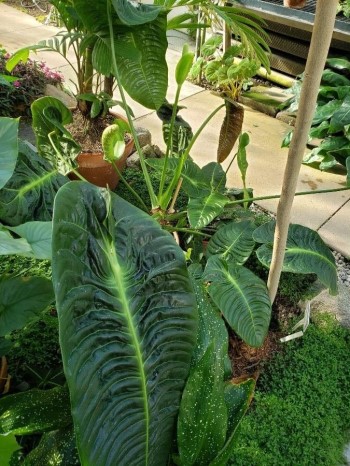
Anthurium veitchii, commonly known as the King Anthurium, is a striking tropical aroid prized for its dramatic foliage rather than its flowers. Native to the rainforests of Colombia, this epiphytic plant grows naturally on trees, where it absorbs moisture and nutrients from the air and organic debris. The most distinctive feature of Anthurium veitchii is its long, narrow, deeply corrugated leaves, which can reach 3-6 feet (90-180 cm) in length when mature. The leaves are thick, leathery, and glossy green, with a bold pleated texture that gives the plant a regal, architectural appearance. As the plant matures, the foliage becomes increasingly dramatic, making it a true statement plant for indoor collections. Although Anthurium veitchii does produce flowers, they are relatively small and inconspicuous compared to its foliage. The inflorescence consists of a pale green to cream spathe surrounding a slender spadix, which may later produce small berries. Blooming is occasional indoors and is not the main ornamental feature. Overall, Anthurium veitchii is valued for its majestic form, slow growth, and exotic presence. It is especially popular among collectors and plant enthusiasts who appreciate rare foliage plants and have space to showcase its impressive, cascading leaves.
King anthurium
Anthurium veitchii
Araceae
Herbaceous, perennial
Grows approximately 2 to 6 feet in height and 3 to 4 feet in spread.
Thrives partial shade
Prefers well-draining soil
Prefers acidic soil
Blooms in spring and summer
Pale green to creamy white spathe paired with a greenish to yellow spadix
9-11, USDA
Colombia
How To Care Anthurium Veitchii
Anthurium veitchii thrives when given conditions similar to its native tropical rainforest habitat. Place the plant in bright, indirect light, avoiding direct sun that can scorch its large pleated leaves. Use a well-draining, airy aroid potting mix and water when the top layer of soil begins to dry, keeping the roots moist but never waterlogged. Warm temperatures between 65-85°F (18-29°C) and high humidity are essential for healthy growth, so a humidifier or pebble tray is helpful indoors. Feed lightly with a diluted balanced fertilizer during the growing season, and reduce feeding in winter. With consistent moisture, good airflow, and proper humidity, Anthurium veitchii will slowly develop its dramatic, cascading foliage.
Light
Anthurium veitchii thrives in bright, indirect light, such as the filtered light from a south- or west-facing window. Direct sunlight should be avoided, as it can scorch the leaves and hinder healthy growth.
Soil
These plants are epiphytic, meaning they naturally grow on trees in jungle environments. Recreate these conditions by using a chunky, loose, well-draining potting mix that still retains some moisture. You can use a premade aroid mix or create your own by blending equal parts potting soil or coconut coir, orchid bark, perlite, and sphagnum moss.
Watering
Anthurium veitchii grows best in evenly moist soil that is never waterlogged or allowed to dry out completely. Water when the top 1-2 inches of soil feel dry, and avoid following a rigid schedule. Instead, check soil moisture regularly and water as needed. During spring and summer, when the plant is actively growing, watering will be more frequent, while in the cooler, darker months, watering should be reduced.
Temperature & Humidity
Anthurium veitchii prefers warm, stable temperatures between 65-85°F (18-29°C) and should be protected from cold drafts and temperatures below 60°F (15°C). High humidity is essential for healthy growth, ideally 60-80%, as dry air can cause leaf edges to brown or curl. Using a humidifier, grouping plants together, or placing the pot on a pebble tray can help maintain adequate humidity indoors.
Fertilizer
Feed Anthurium veitchii with a balanced liquid houseplant fertilizer diluted to half strength once or twice a month during the growing season. Stop fertilizing in fall, and resume in late winter or early spring when new growth begins to appear.
Pruning
Anthurium veitchii requires minimal pruning, as it is a slow-growing plant. Remove yellowing, damaged, or diseased leaves by cutting them off at the base with clean, sharp scissors or pruning shears. Occasional pruning helps improve air circulation and keeps the plant looking tidy. Avoid removing healthy leaves, as this can slow growth. Always sterilize tools before and after pruning to prevent the spread of disease.
Propagating
Anthurium veitchii can be easily propagated by division once the plant is mature. Start by preparing fresh potting mix, suitable pots, sterilized pruning shears, and gloves if desired. Gently remove the plant from its container and inspect the crown and root ball, identifying sections that have their own healthy roots. Loosen the roots carefully with your fingers and separate the plant into smaller clumps, each with at least one leaf and an intact root system. If needed, use pruners to cut the roots, taking care to minimize damage. Place the divisions into pots filled halfway with fresh soil, planting them at the same soil level as before. Water thoroughly and continue with normal care.
From Seed
Anthurium veitchii can be grown from seed, though the process is slow and requires patience. Fresh seeds should be sown on a moist, sterile medium such as sphagnum moss or vermiculite, lightly pressed into the surface rather than buried. Keep the seeds in a warm environment (around 70-80°F / 21-27°C) with bright, indirect light and high humidity by covering the container with clear plastic. Maintain even moisture and provide occasional ventilation to prevent mold. Germination may take several weeks, and once seedlings develop roots and a few true leaves, they can be transplanted into a well-draining anthurium potting mix and cared for like mature plants.
Potting & Repotting
Anthurium veitchii is a slow-growing plant, so repotting is usually needed only every two to three years. Signs it's time to repot include roots crowding the pot, soil that no longer absorbs water well, slowed growth, or a dull, unhealthy appearance. When repotting, use fresh potting mix and choose a container that is just 1-2 inches wider in diameter than the previous pot to avoid excess moisture around the roots.
Overwintering
Anthurium veitchii is a tropical plant and does not tolerate cold temperatures. During winter, keep it in a warm environment above 60°F (15°C) and away from drafts or sudden temperature changes. Reduce watering, allowing the top layer of soil to dry slightly between waterings, and pause fertilization until active growth resumes in spring. Maintaining high humidity and bright, indirect light during the colder months helps prevent leaf damage and keeps the plant healthy until the growing season returns.
How To Bloom
Anthurium veitchii is mainly grown for its striking foliage, and flowering is rare and subtle, so patience is essential. To encourage blooms, provide bright, indirect light, maintain warm temperatures (65-85°F / 18-29°C), and keep humidity high (60-80%). Water the soil evenly without overwatering, and feed the plant with a diluted balanced fertilizer during the growing season. Only mature plants typically flower, producing small, pale green to creamy spathes with slender spadices.
Pests, diseases, and other problems
Anthurium veitchii can be affected by common houseplant pests such as mealybugs, spider mites, aphids, fungus gnats, whiteflies, and scale. Regularly inspect the plant for signs of infestation and treat promptly with insecticidal soap, neem oil, or other appropriate methods. It is also susceptible to diseases like bacterial blight, which shows as yellow leaves with dead, V-shaped areas along the margins, and root rot caused by fungal pathogens. To prevent these issues, avoid overwatering, ensure good air circulation, and maintain warm temperatures. Yellow leaves often indicate overwatering, especially when roots appear black or slimy. In such cases, reduce watering, allow the soil to dry, and if severe, repot in fresh soil while pruning damaged roots and leaves. Yellowing accompanied by brown tips may signal overfertilization; flush the soil thoroughly and reduce feeding frequency. Dry, brown, or tan leaf spots typically result from too much direct sunlight. Move the plant to a spot with filtered light or use a sheer curtain, and trim damaged leaves. Browning leaf tips can also occur from insufficient watering; check soil moisture and adjust care accordingly. Regular monitoring and timely intervention help keep Anthurium veitchii healthy and thriving.