Growing and Caring for Apple Mint
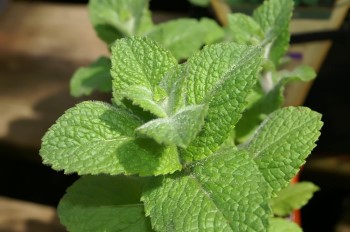
Apple mint (Mentha suaveolens) is a vigorous, aromatic perennial herb valued for its soft, fuzzy green leaves and sweet, fruity mint fragrance with hints of apple. Growing 1-2 feet tall, it forms dense clumps and spreads readily by underground runners, making it ideal for containers or controlled garden beds. The oval, lightly textured leaves are excellent for fresh use in teas, desserts, fruit salads, and savory dishes, while also adding a pleasant scent to the garden. In summer, apple mint produces small, pale pink to lilac flowers on upright spikes that attract bees and other pollinators. Easy to grow and low-maintenance, apple mint thrives in moist, well-drained soil and partial to full sun, providing lush foliage and reliable flavor throughout the growing season.
Apple mint, woolly mint, round-leaved mint, or pineapple mint
Mentha suaveolens
Lamiaceae
Herbaceous, perennial, herb
About 1-2 feet (30-60 cm) tall and 2-3 feet (60-90 cm) wide, spreading by runners
Full sun to partial shade
Moist, yet well-drained
Slightly acidic to neutral (around 6.0-7.0)
Blooms in Summer
Pale pink to light lilac
5-9, USDA
Europe and the Mediterranean region
How To Care Apple Mint
Apple mint is easy to grow and thrives with minimal care. Plant it in moist, well-drained soil and provide full sun to partial shade for healthy, aromatic growth. Water regularly to keep the soil evenly moist, especially during hot or dry periods, but avoid waterlogging. Pinch back stems often to encourage bushy growth and prevent legginess, and remove flower spikes if you want to focus energy on leaf production. Because apple mint spreads aggressively through underground runners, growing it in containers or edging beds helps control its growth. In colder regions, cut the plant back in late fall; it will return vigorously in spring.
Light
Apple mint grows best in full sun in cooler climates, where it develops compact growth and strong flavor. In hot or high-temperature regions, it prefers partial shade, especially afternoon shade, to prevent leaf scorch. Too much shade can cause the plant to become leggy and floppy, so a balance of good sunlight with some protection from intense heat is ideal.
Soil
Apple mint thrives in moist, well-drained soil that is rich in organic matter. It prefers soil that retains some moisture but doesn't stay waterlogged, as overly wet conditions can cause root rot. Regularly amending the soil with compost or well-rotted manure helps maintain fertility and encourages lush, flavorful growth.
Watering
Apple mint requires regular watering to keep the soil consistently moist, especially during hot or dry periods. While it prefers damp soil, it should not be waterlogged, as soggy conditions can lead to root rot. Mulching around the base helps retain moisture and keeps the roots cool.
Temperature & Humidity
Apple mint thrives in temperate conditions with daytime temperatures between 60-75°F (15-24°C). It can tolerate light frost but may die back in severe cold, regrowing in spring from its roots. Apple mint prefers moderate humidity; it grows well in average garden humidity but benefits from slightly higher humidity in hot, dry climates to keep its leaves lush and prevent them from drying out.
Fertilizer
Apple mint benefits from light feeding to encourage healthy, lush growth. Use a balanced, all-purpose fertilizer (such as 10-10-10 NPK) once a month during the growing season, or incorporate compost or well-rotted manure into the soil at planting and periodically thereafter. Over-fertilizing is unnecessary and can reduce the intensity of the mint's flavor.
Pruning
Apple mint responds well to regular pruning to keep it compact, encourage bushy growth, and prevent it from becoming invasive. Pinch or trim the stems back frequently during the growing season, especially before flowering, to maintain shape and promote fresh, flavorful leaves. After flowering, you can cut the plant back by about one-third to rejuvenate growth and prevent it from spreading too aggressively.
Propagating
Apple mint is easily propagated through stem cuttings, division, or runners. For stem cuttings, snip a 4-6 inch healthy shoot just below a node and place it in water or moist soil until roots develop. Division involves carefully separating established clumps in spring or fall and replanting them in a new location. Apple mint also spreads naturally via underground runners, which can be dug up and transplanted to expand your garden or control its growth. This ease of propagation makes apple mint a rewarding and rapidly growing herb for home gardens.
From Seed
Apple mint can also be grown from seeds, though this method is slower and less commonly used than cuttings or division. Sow seeds indoors 6-8 weeks before the last frost in a light, well-draining seed-starting mix. Keep the soil consistently moist and maintain a temperature of around 65-70°F (18-21°C) for optimal germination. Seeds usually sprout within 1-2 weeks. Once seedlings develop a few sets of true leaves, they can be carefully transplanted into individual pots or directly into the garden after the risk of frost has passed.
Potting & Repotting
Apple mint grows well in pots and containers, which also helps control its spreading habit. Choose a container with good drainage holes and fill it with moist, well-draining potting mix enriched with organic matter. Repotting should be done every 1-2 years or when the plant becomes root-bound. Gently remove the plant from its pot, loosen the roots, and divide if needed, then replant in fresh potting soil. Regular repotting encourages healthy growth, prevents overcrowding, and maintains the vigor and flavor of the leaves.
Overwintering
Apple mint can survive winter with proper care, even in colder regions where frost occurs. In garden beds, cut the stems back to a few inches above the soil and cover the root area with a thick layer of mulch, such as straw, leaves, or compost, to insulate against freezing temperatures. For potted plants, move them to a cool, frost-free spot indoors or in a sheltered area, keeping the soil slightly moist but not waterlogged. With these precautions, apple mint will regrow healthy shoots in spring, ensuring a vigorous start to the new growing season.
How To Bloom
Apple mint produces small, pale pink to lilac flowers during the summer, though it is primarily grown for its aromatic leaves. To encourage blooming, grow the plant in full sun or partial shade depending on your climate, ensure the soil is moist, well-drained, and moderately fertile, and avoid excessive pruning just before the flowering season. Allowing some stems to grow without frequent harvesting will promote flower development while still maintaining healthy foliage.
Pests, diseases, and other problems
Apple mint is generally hardy but can face some pests and diseases. Common pests include aphids, spider mites, whiteflies, and flea beetles, which may damage the leaves if infestations are severe. The plant can also be affected by powdery mildew, rust, and root rot, often caused by poor air circulation, high humidity, or waterlogged soil. Other common problems include leggy growth from overcrowding or insufficient sunlight and leaf scorching in hot climates. Regular pruning, proper spacing, good drainage, and monitoring for pests help keep apple mint healthy and productive.