Growing and Caring for Arabian Jasmine
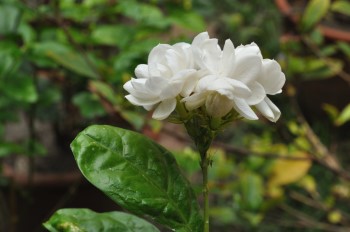
Arabian jasmine is a highly fragrant, evergreen to semi-evergreen shrub or vine admired for its glossy foliage and intensely scented flowers. Native to South and Southeast Asia, it is widely grown in gardens and containers for both ornamental and cultural uses. The plant features oval to slightly pointed, deep green leaves with a smooth, shiny surface. Leaves are arranged oppositely on soft, flexible stems that can be trained as a climber or maintained as a compact shrub with pruning. Depending on growing conditions, Arabian jasmine typically reaches 1-3 meters in height. Its star-shaped, waxy white flowers are the main attraction. Blooms may be single or double, opening mostly in the evening and releasing a rich, sweet fragrance that is strongest at night. Flowering occurs repeatedly from spring through late summer, and in warm climates, blooms may appear almost year-round. Arabian jasmine thrives in warm, humid conditions and prefers bright light to full sun for best flowering. It is commonly used in home gardens, balconies, and patios, as well as for making garlands, perfumes, and traditional floral decorations.
Arabian jasmine, pikake
Jasminum sambac
Oleaceae
Perennial, vine
Grows about 6-10 feet in both height and spread.
Full sun to partial shade
Loamy, Moist, yet well-drained
Grows best in acidic to neutral soil
Blooms in Summer
Pink, white
9-11, USDA
Asia
How To Care Arabian Jasmine
Arabian jasmine grows best in warm, humid conditions with plenty of bright light or full sun to encourage abundant flowering. Plant it in well-drained, fertile soil and water regularly to keep the soil evenly moist, but never soggy. Feed the plant every few weeks during the growing season with a balanced or flowering fertilizer to support healthy growth and blooms. Prune lightly after flowering to maintain shape and promote bushier growth, and protect the plant from cold temperatures, as it is sensitive to frost.
Light
Plant Arabian jasmine in a location that receives full sun, about six to eight hours of direct light daily, or partial sun with at least four hours of sunlight. If grown indoors during winter, place the plant in a bright, sunny window or supplement natural light with a grow light.
Soil
Grow Arabian jasmine in loose, loamy soil that drains well yet retains adequate moisture. Enrich garden soil with compost before planting to improve fertility and moisture retention. For container-grown plants, use a well-draining potting mix amended with plenty of perlite to prevent waterlogging.
Watering
Water Arabian jasmine consistently to maintain evenly moist soil without allowing it to become waterlogged. During hot, dry summer periods, monitor moisture closely, but avoid overwatering to prevent root rot. For potted plants, water when the top few inches of soil feel dry, and reduce watering during the winter months.
Temperature & Humidity
Arabian jasmine prefers warm temperatures and moderate to high humidity. It grows best in temperatures between 18-30°C (65-85°F) and should be protected from cold, as growth slows below 10°C (50°F) and frost can cause damage. Moderate to high humidity encourages healthy foliage and abundant flowering; in dry conditions, occasional misting or placing the plant near a humidity tray can help, especially for indoor-grown plants.
Fertilizer
Start feeding Arabian jasmine with a balanced fertilizer in late winter or early spring. Continue fertilizing once a month throughout the summer, then stop feeding in the fall.
Pruning
Prune Arabian jasmine after flowering to maintain its shape and encourage bushier growth. Remove dead, damaged, or weak stems at any time, and lightly trim long or leggy shoots to control size. Regular pruning also improves air circulation and promotes more blooms in the next flowering cycle.
Propagating
Arabian jasmine is easily propagated from stem cuttings. Take a 6-inch stem tip using clean, sterilized pruners, making a diagonal cut just below a leaf node. Remove the leaves from the lower half of the cutting. Moisten the soil and create a planting hole a few inches deep using a finger or pencil. Dip the cut end in rooting hormone and insert it into the hole, gently firming the soil around the stem. Cover the cutting with a clear plastic bag to retain humidity and place it in a warm location out of direct sunlight, removing the cover about once a week. Roots typically develop within six weeks, signaled by new leaf growth. Once rooted, remove the cover and gradually acclimate the plant to full sun before transplanting it into a container or the garden.
From Seed
Growing Arabian jasmine (Jasminum sambac) from seed is possible, though it is slower and less reliable than propagation from cuttings. Use fresh, viable seeds for best results. Soak the seeds in warm water for 12-24 hours to help soften the seed coat. Sow the seeds in a shallow tray or small pots filled with a light, well-draining seed-starting mix. Plant them about 1/4 inch deep and gently firm the soil. Water lightly to keep the soil evenly moist but not soggy. Place the container in a warm location with bright, indirect light, maintaining temperatures around 22-27°C (72-80°F). Covering the tray with plastic wrap or a humidity dome can help retain moisture, but ventilate regularly to prevent mold. Germination can take several weeks to a few months. Once seedlings develop a few true leaves, transplant them into individual pots and gradually acclimate them to brighter light and outdoor conditions. Keep in mind that seed-grown plants may take longer to flower and may not be identical to the parent plant.
Potting & Repotting
Arabian jasmine can be successfully grown in a container, which is ideal for gardeners outside its hardiness range who need to move the plant indoors during winter. Container growing also helps control the size of this vigorous climbing vine, though it will still need a trellis or other support. Choose a pot with ample drainage holes and fill it with a moist, well-draining potting mix. When it's time to repot, select a container just one to two inches wider than the current one and refresh the soil with new potting mix.
Overwintering
Arabian jasmine needs protection from cold temperatures during winter. In warm regions (zones 9-11), plants grown in the ground benefit from a thick layer of organic mulch around the base to insulate the roots. In cooler climates (zone 8 and below), potted plants should be brought indoors before nighttime temperatures fall below 55°F (13°C). Place the plant in a bright, sunny location indoors, reduce watering, and stop fertilizing until spring. Keep it away from cold drafts and heating vents to help it rest safely through winter.
How To Bloom
To encourage Arabian jasmine to bloom, provide plenty of sunlight, ideally six to eight hours of direct sun each day. Grow the plant in well-draining, fertile soil and water regularly to keep the soil evenly moist without becoming soggy. Feed monthly during the growing season with a balanced or bloom-boosting fertilizer, stopping in fall. Prune lightly after flowering to promote new growth, as blooms form on fresh stems. Warm temperatures, moderate humidity, and avoiding stress from cold or drought will also help ensure abundant, fragrant flowers.
Pests, diseases, and other problems
Arabian jasmine is generally hardy but can be affected by common pests such as aphids, spider mites, whiteflies, and mealybugs, especially when grown indoors or under stress. These pests can cause yellowing leaves, sticky residue, or stunted growth and are best controlled with insecticidal soap or neem oil. Plant diseases like root rot may occur in poorly drained or overwatered soil, while fungal leaf spots can develop in humid conditions with poor air circulation. Common problems include reduced flowering due to insufficient light, leggy growth from lack of pruning, and leaf drop caused by cold temperatures or inconsistent watering.