How Perennials Survive and Thrive Through Winter
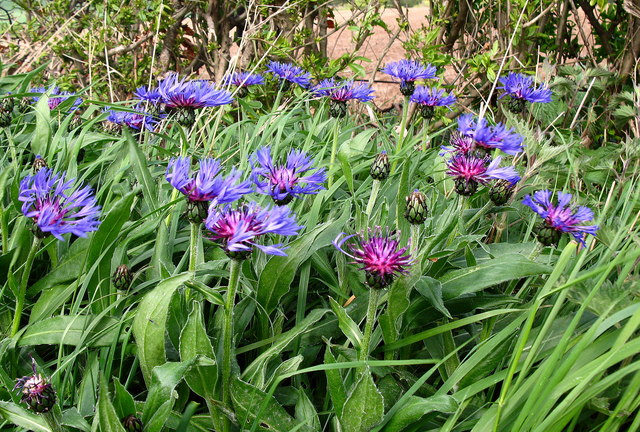
Perennials are remarkable plants that live for multiple years, and their ability to survive winter is key to their longevity. Unlike annuals, which complete their life cycle in a single season, perennials have evolved clever strategies to cope with cold, frost, and snow. Understanding these strategies can help gardeners protect their plants and ensure vibrant growth when spring arrives.
1. Going Dormant Above Ground
Many perennials die back above ground as winter approaches, leaving only roots, bulbs, or rhizomes underground. This dormancy protects the plant’s vital tissues from freezing temperatures while conserving energy. In spring, these underground structures send up new shoots, resuming growth.
2. Storing Energy in Underground Structures
Roots, bulbs, corms, and rhizomes act as storage organs for nutrients and energy. They remain insulated in the soil, allowing the plant to survive freezing conditions and emerge healthy in warmer months. Examples include tulips, hostas, and daylilies.
3. Protective Foliage
Some perennials keep tough, frost-resistant leaves through winter. Plants like hellebores, evergreen ferns, and some ornamental grasses maintain photosynthesis, store energy, and provide shelter for small wildlife.
4. Seed Dormancy
Certain perennials rely on seed survival. Seeds produced in late summer or fall remain dormant through winter, protected by seed coats. They germinate only when temperatures rise and conditions become favorable.
5. Chemical and Structural Defenses
Perennials produce natural “antifreeze” chemicals, like sugars and proteins, which prevent cell damage from ice formation. Thick bark, tough stems, and protective leaf coverings also shield plants from cold winds and frost.
6. Mulching and Soil Insulation
Gardeners can support perennials by adding mulch, straw, or leaf layers over the soil. This insulation reduces temperature fluctuations, prevents frost heaving, and helps roots retain moisture and nutrients.
Conclusion
Perennials survive winter through a combination of dormancy, energy storage, chemical defenses, and structural adaptations. By understanding these strategies, gardeners can better care for their perennial beds, ensuring healthy growth and stunning blooms each spring. Winter may seem quiet, but beneath the surface, life is quietly preparing to flourish.