How to Grow Magnificent Mahonias
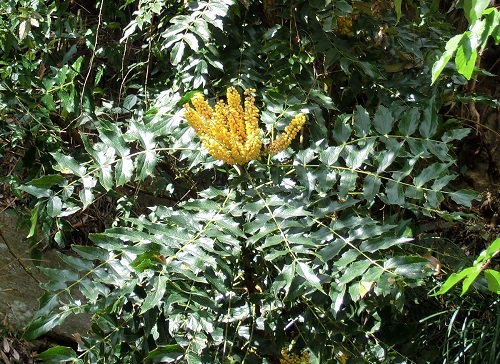
Mahonia is an evergreen shrub known for its bold, spiny, holly-like leaves, fragrant yellow flowers, and striking blue-black berries. It typically grows as a medium-sized shrub, forming dense clumps that add structure to gardens year-round. Mahonia blooms in late autumn to winter, producing clusters of bright yellow, honey-scented flowers that attract pollinators. After flowering, it develops small, dark berries that provide visual interest and food for birds. Preferring partial to full shade, Mahonia thrives in well-draining, fertile soil and is relatively low-maintenance. Hardy and ornamental, it is ideal for woodland gardens, shaded borders, or as a striking hedge.
1. Choosing the Right Location
Mahonias prefer partial to full shade but can tolerate some sun, especially in cooler climates. Excessive direct sunlight may burn their leaves.
Plant in well-draining, fertile soil rich in organic matter. They prefer slightly acidic to neutral pH but are adaptable.
2. Planting
Dig a hole twice the width of the root ball and just as deep.
Gently loosen the roots and place the plant in the hole.
Backfill with soil and water thoroughly to settle the roots.
Mulch around the base to retain moisture and protect roots in winter.
3. Watering
Water regularly during the first growing season to establish the roots.
Once established, Mahonias are drought-tolerant but will perform best with occasional watering during dry periods.
4. Fertilizing
Feed in early spring with a balanced slow-release fertilizer or one formulated for shrubs and evergreens.
Avoid excessive fertilization, which can reduce flowering.
5. Pruning and Maintenance
Lightly prune after flowering to shape the shrub and remove dead or damaged stems.
Avoid heavy pruning, as Mahonias bloom on older wood.
Remove fallen leaves and debris to prevent fungal problems.
6. Pests and Diseases
Mahonias are generally hardy and low-maintenance.
Watch for scale insects, aphids, and powdery mildew.
Treat pests with insecticidal soap or neem oil and ensure good air circulation to prevent disease.
7. Winter Care
Most Mahonias are frost-hardy, but young plants benefit from mulch around the base.
Provide some shelter from harsh winter winds if planted in exposed areas.
Conclusion
With their glossy evergreen leaves, bright winter flowers, and ornamental berries, Mahonias are a standout choice for shaded or partially shaded gardens. By providing the right soil, light, and care, these shrubs can thrive for years, adding color, fragrance, and structure to your landscape even in winter.