How to Grow Snowdrops (Galanthus) in Your Garden
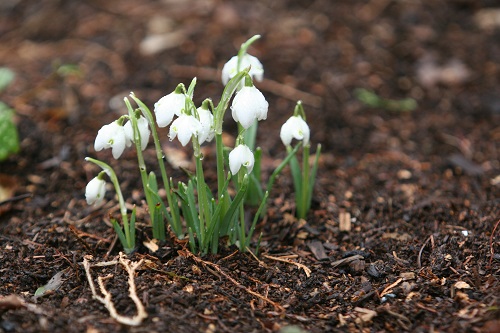
Snowdrops are delicate, early-blooming bulbs that signal the first signs of spring. Their nodding white flowers and slender green leaves bring charm to winter and early spring gardens. With proper care, snowdrops can naturalize beautifully, creating stunning drifts year after year.
1. Choosing the Right Location
Snowdrops thrive in partial to full shade. They grow well under deciduous trees, shrubs, or in woodland-style gardens, where they receive filtered sunlight.
Preferably rich, well-draining soil with moderate moisture. Adding compost or organic matter helps maintain soil fertility.
2. Planting Snowdrops
Plant bulbs in late summer to early autumn, before the first frost.
Plant bulbs 2–3 inches (5–7 cm) deep and about 3 inches apart to allow room for natural spreading.
Place the bulb with the pointed end upwards. Cover with soil and water gently to settle the soil.
3. Watering
Keep the soil consistently moist but not waterlogged. Snowdrops tolerate occasional dryness once established but perform best in moderately moist soil.
4. Fertilizing
Snowdrops generally don’t require heavy feeding. A light application of balanced, slow-release fertilizer in early autumn or after flowering can support growth and bulb development.
5. Mulching
Apply a thin layer of mulch to conserve moisture and regulate soil temperature. Avoid thick mulch that may retain too much water and cause bulb rot.
6. Caring After Flowering
Allow foliage to die back naturally; do not cut it too soon, as the leaves feed the bulb for next year’s blooms. Once the leaves have yellowed and withered, they can be trimmed away.
7. Naturalizing Snowdrops
Snowdrops are excellent for naturalizing in lawns, under trees, or in borders. Over time, they will multiply and form large, beautiful clusters, enhancing the winter and early spring landscape.
8. Pests and Problems
Snowdrops are generally hardy and low-maintenance. Occasionally, bulbs may be eaten by squirrels, mice, or slugs. Protective mesh or barriers can help. Ensure good drainage to prevent fungal diseases and bulb rot.
Conclusion
Snowdrops are a timeless addition to any garden, offering delicate beauty when few other plants are in bloom. By planting in the right location, providing moderate water and nutrition, and allowing foliage to naturally die back, gardeners can enjoy elegant snowdrop displays year after year. These charming bulbs are perfect for adding early-season interest and creating a serene, winter-to-spring transition in your garden.