Soap Spray in Gardening: Complete Natural Pest Control Guide
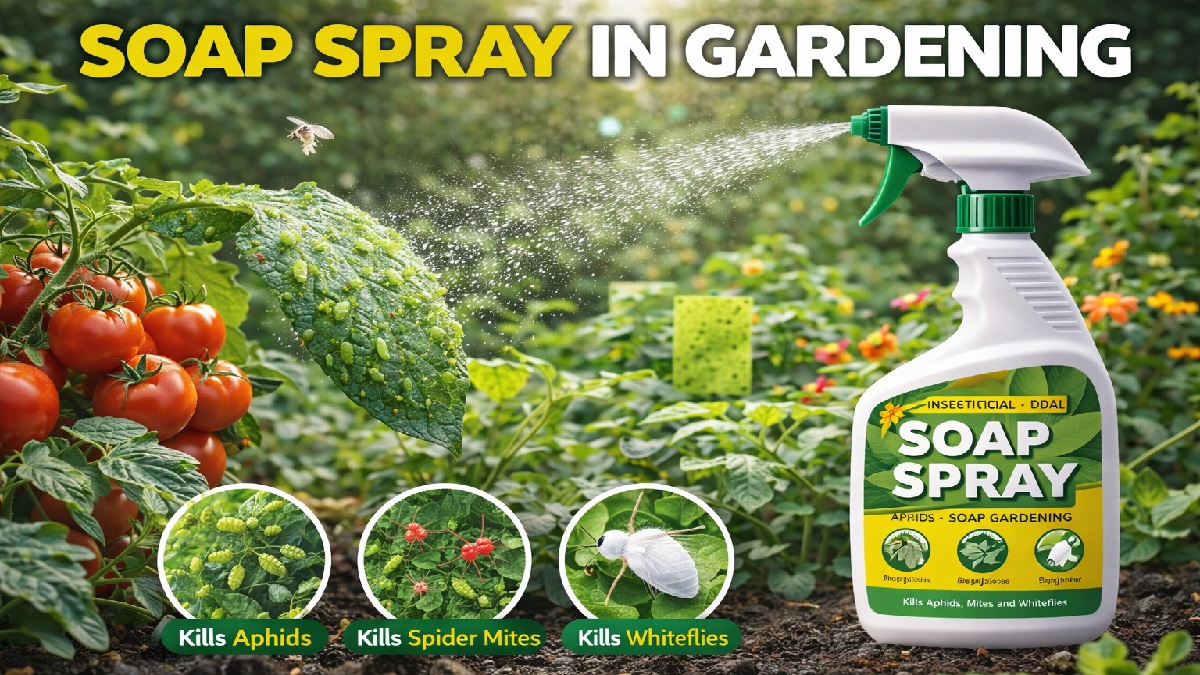
Soap spray is one of the simplest, safest, and most effective solutions for controlling pests in your garden. For gardeners who prefer organic or chemical-free methods, soap spray has become a go-to remedy for dealing with insects such as aphids, mites, and whiteflies. This method has been used for generations and continues to be popular because it is inexpensive, easy to prepare, and environmentally friendly.
In this detailed guide, you will learn everything about soap spray in gardening, including how it works, how to prepare it, when to use it, and best practices for safe and effective pest control.
What is Soap Spray in Gardening?
Soap spray is a diluted solution made from mild liquid soap and water. It is used to kill soft-bodied insects by breaking down their outer protective layer. Unlike chemical pesticides, soap spray works through direct contact and does not leave harmful residues in the soil or on plants.
The soap penetrates the insect’s outer shell and disrupts its cell membranes, causing dehydration and eventual death. Because of this mechanism, it is especially effective against pests that have delicate bodies.
How Soap Spray Works
Soap spray works through a physical process rather than a chemical reaction. When sprayed on insects, it coats their bodies and interferes with their ability to retain moisture. This leads to dehydration, which ultimately kills the pest.
Key Mechanisms
- Breaks down insect outer coating
- Causes dehydration
- Blocks breathing pores
- Works only on direct contact
Because soap spray does not affect insect eggs or hidden pests, repeated applications may be necessary for complete control.
Common Pests Controlled by Soap Spray
Soap spray is effective against a wide variety of soft-bodied insects commonly found in gardens.
- Aphids
- Spider mites
- Whiteflies
- Mealybugs
- Thrips (partial control)
However, it is less effective against hard-bodied insects like beetles and caterpillars.
How to Make Soap Spray at Home
Making your own soap spray is simple and requires only a few ingredients.
Basic Recipe
- 1 liter of water
- 1–2 teaspoons of mild liquid soap
Mix the ingredients thoroughly and pour the solution into a spray bottle. Always use mild, non-detergent soap without added fragrances or chemicals.
Important Tips
- Avoid strong detergents
- Test on a small leaf first
- Shake before use
How to Apply Soap Spray
Proper application is essential for effectiveness. Since soap spray works only on contact, you must spray directly on the pests.
Application Steps
- Spray early morning or evening
- Cover both sides of leaves
- Target affected areas carefully
- Repeat every 5–7 days if needed
Avoid spraying during hot sunlight, as this may cause leaf burn.
Advantages of Soap Spray
- Eco-friendly and biodegradable
- Safe for humans and pets
- Low cost and easy to prepare
- No harmful chemical residues
- Effective against common pests
These benefits make soap spray a preferred choice for organic gardening enthusiasts.
Disadvantages and Precautions
While soap spray is effective, it also has some limitations.
- May harm sensitive plants
- Requires repeated application
- Not effective against all pests
- Can damage leaves if overused
Always test the solution on a small part of the plant before full application.
Best Plants for Soap Spray Use
Soap spray works well on many garden plants, including:
- Vegetables (tomatoes, peppers)
- Fruit plants
- Indoor plants
- Flowering plants
However, avoid using it on delicate plants such as ferns or waxy-leaf species unless tested first.
Comparison Table
| Feature | Soap Spray | Chemical Pesticides |
|---|---|---|
| Safety | High | Moderate to Low |
| Cost | Low | High |
| Effectiveness | Moderate | High |
| Environmental Impact | Low | High |
When to Use Soap Spray
Timing plays a crucial role in the effectiveness of soap spray. Apply it when pests are visible and active. Early infestation stages are ideal for control.
- Use during mild weather
- Avoid rainy conditions
- Reapply after rainfall
Advanced Tips for Better Results
- Combine with neem oil (in mild amounts)
- Use clean spray equipment
- Monitor plants regularly
- Remove heavily infested leaves
Consistency is key when using natural pest control methods like soap spray.
Frequently Asked Questions About Soap Spray
What is soap spray in gardening?
Soap spray is a natural pest control solution made from water and mild liquid soap. It works by breaking down the outer layer of soft-bodied insects like aphids and mites, causing dehydration and eliminating them safely.
How do you make soap spray for plants?
To make soap spray, mix 1 liter of water with 1–2 teaspoons of mild liquid soap. Shake well and spray directly on affected plants. Always test on a small leaf before full application.
Is soap spray safe for all plants?
Soap spray is safe for most plants, but some sensitive species may get damaged. It is recommended to test the solution on a small portion of the plant before using it widely.
How often should I apply soap spray?
You can apply soap spray every 5–7 days depending on the severity of the pest problem. Reapply after rain or watering for best results.
Can soap spray harm beneficial insects?
Yes, soap spray can harm beneficial insects if sprayed directly. To protect them, apply the spray carefully and avoid spraying when pollinators are active.
When is the best time to use soap spray?
The best time to use soap spray is early morning or late evening. Avoid spraying during hot sunlight to prevent leaf damage.