Gardening Tips for Healthier, More Beautiful Gardens

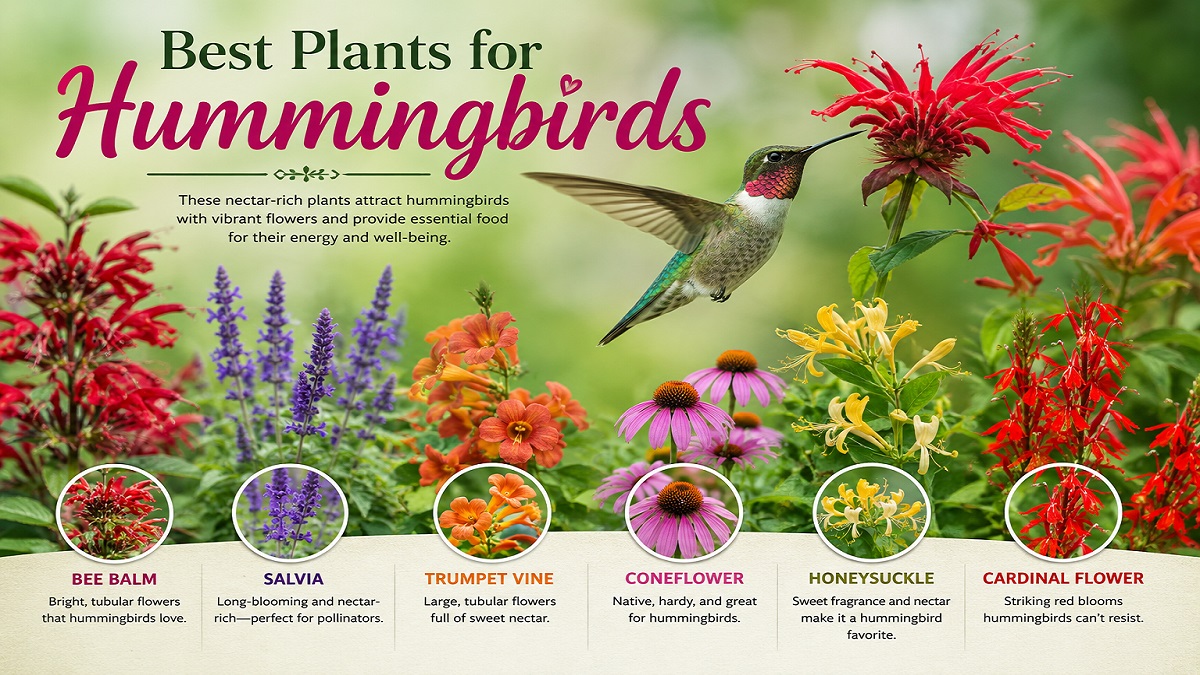
Discover practical gardening tips to help your plants thrive naturally throughout the year. From biological pest control and beneficial insects to attracting bees and hummingbirds, choosing the best mulch, growing colorful annual flowers, and managing common garden pests, our gardening guides provide easy-to-follow advice for gardeners of all experience levels. Learn sustainable techniques that improve soil health, support pollinators, reduce pest problems, and create a vibrant, productive garden filled with flowers, wildlife, and healthy plants.

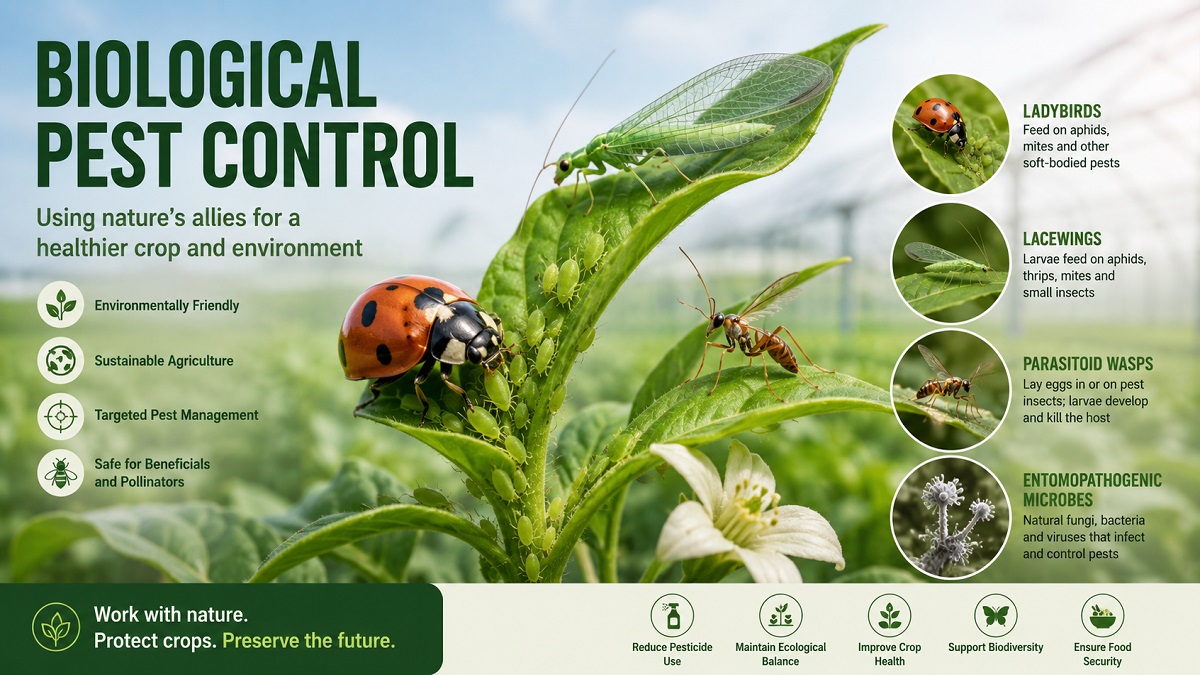
Biological pest control using beneficial insects in a garden

Biological Pest Control: A Sustainable Solution for Healthy Gardens and Farms

Biological pest control is a natural method of managing harmful insects, weeds, and plant diseases by using living organisms. Instead of relying heavily on chemical pesticides, gardeners and farmers introduce or encourage beneficial organisms that naturally suppress pest populations. These beneficial organisms include predators, parasites, pathogens, and microorganisms that target specific pests while leaving crops, people, pets, and the environment largely unharmed.

Read Full Article →
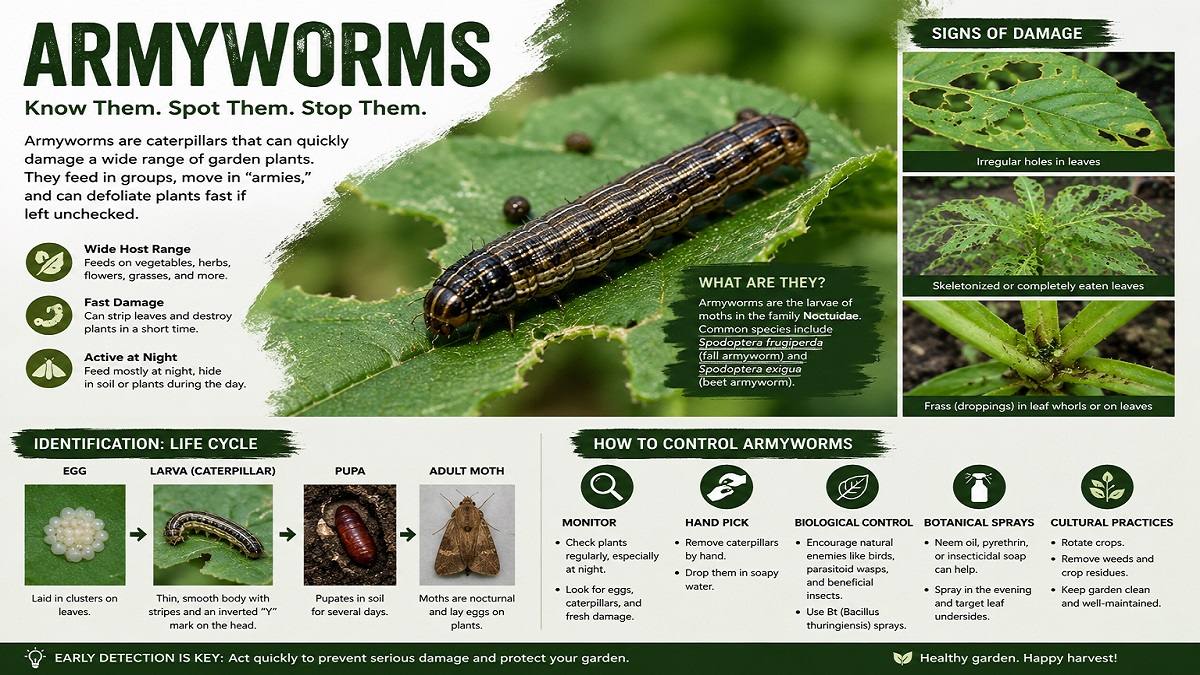
Armyworms feeding on garden plants and leaves in a home vegetable garden

Armyworms in Gardening: How to Identify, Prevent, and Control Them Naturally

Armyworms are among the most destructive garden pests that homeowners and vegetable growers encounter during warm seasons. These caterpillars are known for feeding aggressively on leaves, grass, vegetables, and ornamental plants. They move in groups and consume plant material quickly, which is why they are called “armyworms.” A small infestation can become a serious problem within days if gardeners fail to notice the early warning signs.

Read Full Article →
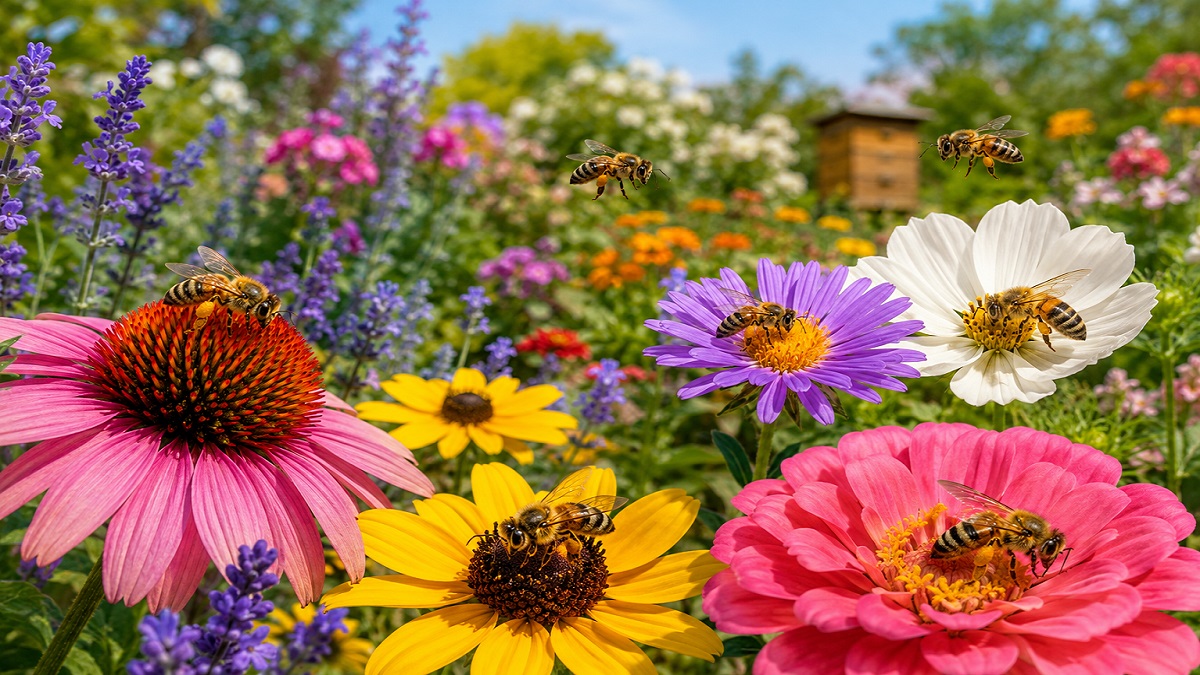
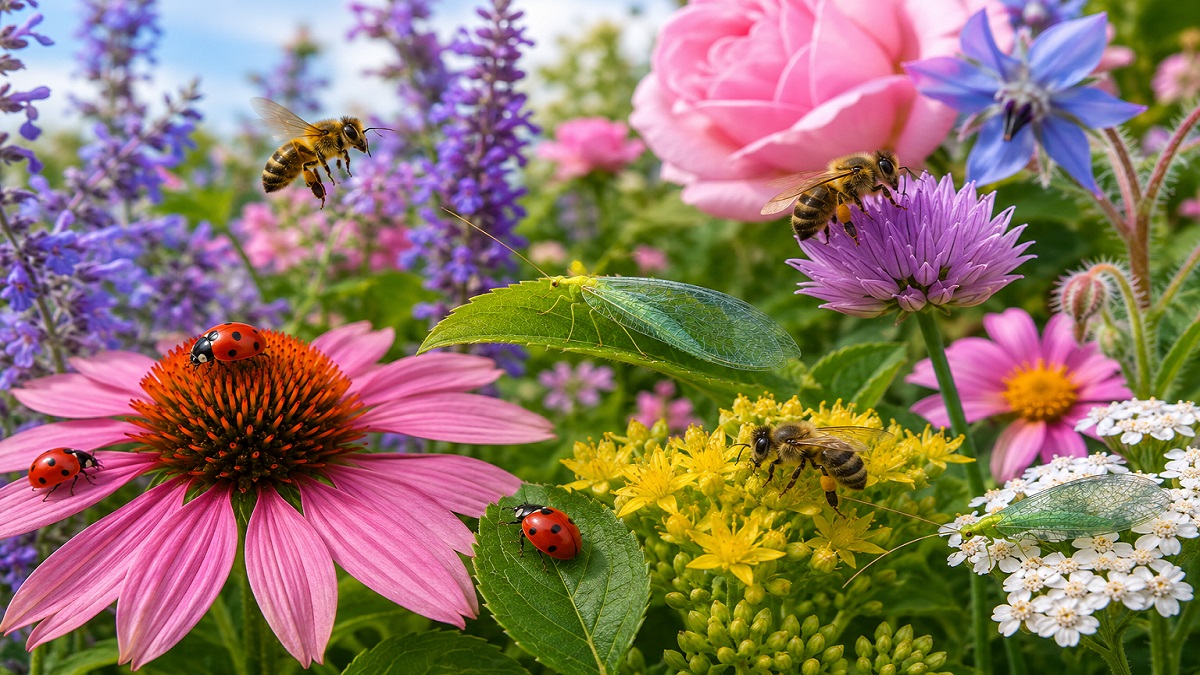
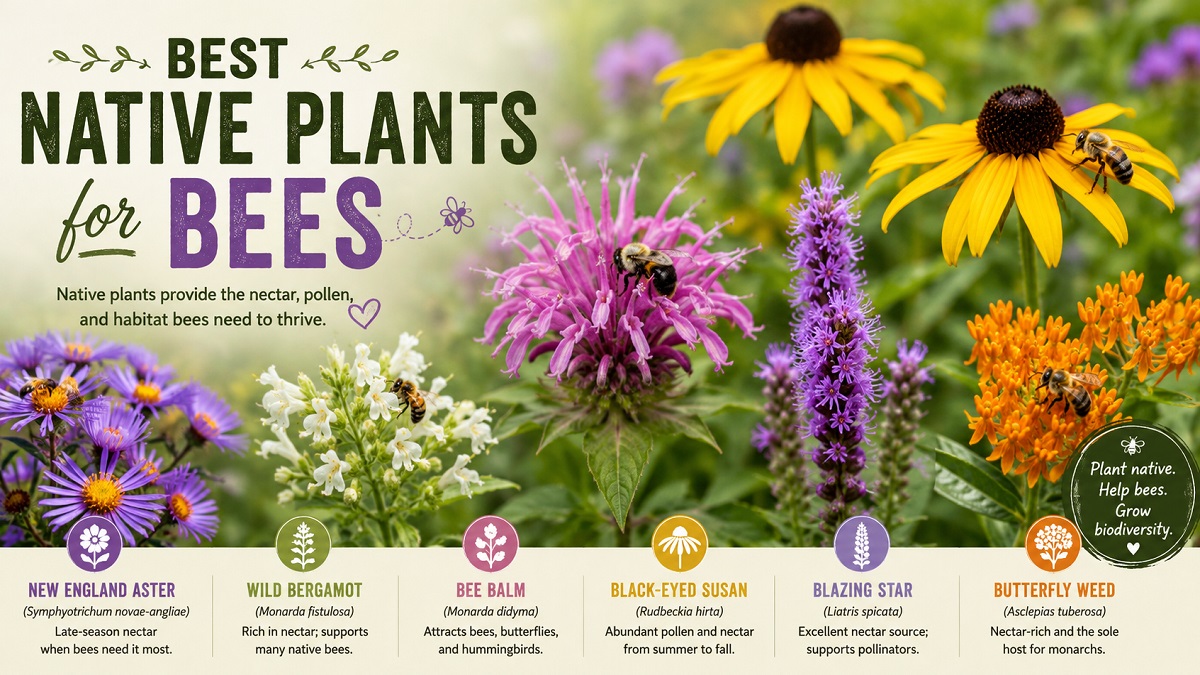
Honey bees pollinating colorful flowers in a healthy garden

Bees in the Garden: Why These Tiny Pollinators Matter

Bees are among the most important creatures in any garden ecosystem. These hardworking pollinators support the growth of flowers, fruits, vegetables, herbs, and wild plants. Without bees, many plants would struggle to reproduce, and food production around the world would decline dramatically.

Read Full Article →