Annual Flowers for Every Garden: Bright Seasonal Color and Easy Growing Tips
What Are Annual Flowers?
Annual flowers are plants that complete their entire life cycle in a single growing season. They sprout from seed, grow quickly, bloom beautifully, produce seeds, and eventually die within one year. Gardeners love annuals because they provide fast-growing color, continuous blooms, and endless variety throughout spring, summer, and fall.
Unlike perennials that return year after year, annual flowers are replanted each season. Although this means extra planting work, annuals reward gardeners with vibrant blossoms and reliable flowering for many months. They are ideal for flower beds, hanging baskets, borders, patio containers, pollinator gardens, and landscaping projects.
Annuals are especially popular for filling empty garden spaces, adding seasonal interest, and experimenting with different colors and garden designs every year. From cheerful marigolds to cascading petunias and towering sunflowers, annual flowers bring life and energy to outdoor spaces.
Why Gardeners Love Annual Flowers
Annual flowers offer several advantages that make them a favorite choice for beginner and experienced gardeners alike. Their rapid growth and long blooming season provide nearly instant beauty in landscapes and containers.
Long Blooming Period
Many annual flowers bloom continuously from late spring until the first frost. With proper care, deadheading, and watering, they can provide nonstop color throughout the growing season.
Wide Variety of Colors
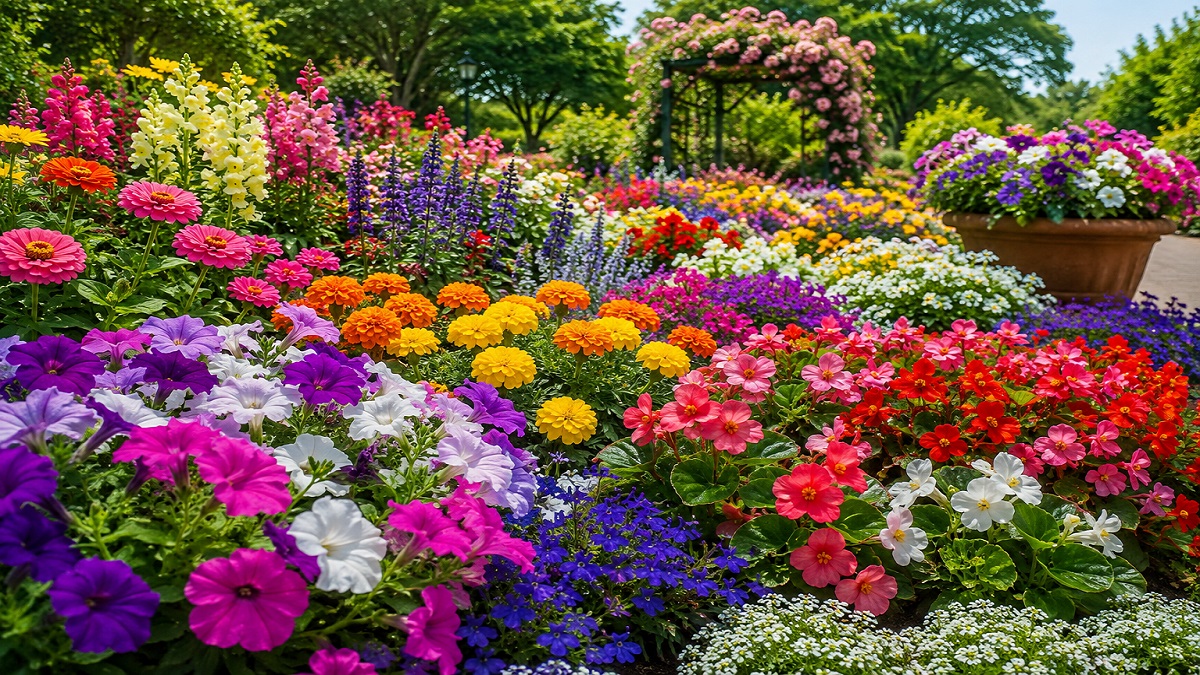
Annuals come in nearly every imaginable color, including bright reds, oranges, pinks, yellows, purples, blues, and whites. Gardeners can create bold tropical displays or soft cottage-style flower arrangements.
Perfect for Containers
Because many annual flowers stay compact and bloom heavily, they work beautifully in pots, hanging baskets, window boxes, and patio containers.
Fast Growth
Annuals grow quickly from seed or nursery transplants, allowing gardeners to enjoy flowers within weeks of planting.
Great for Pollinators
Many annual flowers attract butterflies, bees, hummingbirds, and beneficial insects. Planting pollinator-friendly annuals helps support healthy ecosystems while improving vegetable garden pollination.
Popular Types of Annual Flowers
There are hundreds of annual flower varieties available for gardens. Some thrive in full sun, while others prefer partial shade or cooler weather. Choosing the right annual depends on your climate, sunlight, and gardening goals.
| Flower | Sunlight | Bloom Colors | Best Use |
|---|---|---|---|
| Petunia | Full Sun | Pink, Purple, White | Containers and borders |
| Marigold | Full Sun | Yellow, Orange | Vegetable gardens |
| Zinnia | Full Sun | Mixed Colors | Pollinator gardens |
| Impatiens | Partial Shade | Pink, Red, White | Shade gardens |
| Cosmos | Full Sun | Pink, White | Cottage gardens |
| Sunflower | Full Sun | Yellow | Backyard focal points |
Petunias
Petunias are among the most popular annual flowers due to their cascading growth and colorful trumpet-shaped blooms. They perform exceptionally well in hanging baskets and containers.
Marigolds
Marigolds are easy-to-grow annuals known for their golden and orange flowers. They are commonly planted near vegetables because their scent may help deter certain garden pests.
Zinnias
Zinnias produce vibrant daisy-like flowers that attract butterflies and bees. They are drought-tolerant, low-maintenance, and excellent for cutting gardens.
Impatiens
Impatiens thrive in shady areas where many other flowers struggle. Their dense blooms make them ideal for woodland gardens and shaded patios.
How to Plant Annual Flowers
Planting annual flowers correctly gives them the best chance to grow healthy and bloom abundantly throughout the season. Most annuals prefer rich soil, proper sunlight, and consistent watering.
Choose the Right Location
Before planting, check the sunlight requirements for each flower variety. Sun-loving annuals usually need at least six hours of direct sunlight daily, while shade annuals perform better in filtered light.
Prepare the Soil
Annual flowers thrive in loose, well-draining soil rich in organic matter. Adding compost before planting improves fertility, moisture retention, and root development.
Spacing Matters
Avoid overcrowding annual flowers. Proper spacing improves airflow, reduces fungal diseases, and encourages healthier growth and flowering.
Water After Planting
Newly planted annuals require regular watering until their roots establish. Water deeply rather than lightly sprinkling the soil surface.
Best Annual Flowers for Different Garden Styles
Cottage Gardens
Cottage-style gardens benefit from romantic, informal annual flowers such as cosmos, snapdragons, calendula, and sweet alyssum. These flowers create a relaxed and colorful atmosphere.
Modern Landscapes
For contemporary gardens, gardeners often choose structured annuals like begonias, petunias, and ornamental grasses with bold color combinations and geometric planting patterns.
Pollinator Gardens
Zinnias, sunflowers, cosmos, lantana, and salvia attract butterflies, bees, and hummingbirds while providing nectar throughout the season.
Container Gardens
Compact annuals such as calibrachoa, pansies, verbena, and trailing petunias thrive in pots and hanging baskets, making patios and balconies feel lively and colorful.
Watering and Fertilizing Annuals
Annual flowers grow rapidly and bloom heavily, which means they need consistent moisture and nutrients during the growing season.
Watering Tips
- Water early in the morning whenever possible.
- Avoid wetting leaves late in the evening.
- Use mulch to retain soil moisture.
- Container annuals may need daily watering during hot weather.
Fertilizing Tips
Balanced flower fertilizers help annuals produce strong growth and continuous blooms. Slow-release fertilizers work well in flower beds, while liquid fertilizers are useful for containers.
Over-fertilizing can lead to excessive foliage growth with fewer flowers, so always follow label recommendations carefully.
Deadheading and Maintenance
Deadheading means removing spent or faded flowers from plants. This simple gardening task encourages annuals to continue blooming instead of producing seeds.
Many annual flowers, including petunias, marigolds, and zinnias, benefit greatly from regular deadheading. Removing damaged leaves and trimming leggy stems also helps maintain healthy growth and attractive plant shapes.
Common Maintenance Tasks
- Remove faded blooms weekly.
- Check plants for pests and diseases.
- Trim overgrown stems when needed.
- Refresh mulch around plants.
- Support tall annuals with stakes if necessary.
Common Problems With Annual Flowers
Poor Flowering
Lack of sunlight, overcrowding, or too much nitrogen fertilizer can reduce flowering. Ensure annuals receive the proper growing conditions for their variety.
Wilting Plants
Wilting may result from underwatering, root damage, or extreme heat. Check soil moisture regularly during summer weather.
Pests
Aphids, spider mites, slugs, and caterpillars sometimes attack annual flowers. Hand-picking pests and encouraging beneficial insects often helps manage infestations naturally.
Fungal Diseases
Powdery mildew and root rot can affect annual flowers in humid or poorly ventilated gardens. Proper spacing and careful watering reduce disease risk.
Annuals vs Perennials
Many gardeners combine annuals and perennials for a balanced landscape filled with long-term structure and seasonal color.
| Feature | Annuals | Perennials |
|---|---|---|
| Life Span | One Season | Multiple Years |
| Bloom Time | Long Continuous Blooms | Shorter Seasonal Blooms |
| Maintenance | Replant Each Year | Return Naturally |
| Growth Speed | Fast | Moderate |
| Garden Flexibility | High | Stable Structure |
Annual flowers are perfect for gardeners who enjoy changing their garden design every year, while perennials provide reliable long-term landscaping foundations.
Creating Stunning Seasonal Displays
Combining annual flowers with different heights, textures, and bloom times creates visually appealing landscapes. Garden designers often use the “thriller, filler, spiller” method for containers:
- Thriller: Tall focal plant
- Filler: Medium plants for fullness
- Spiller: Trailing plants that cascade over edges
Mixing upright flowers like salvia with trailing petunias and compact marigolds creates dynamic arrangements full of color and texture.
Seasonal combinations also help gardens stay attractive from spring through autumn. Cool-season annuals like pansies perform best in spring, while heat-loving zinnias and sunflowers thrive during summer.