Beetle Larvae in the Garden: Identification, Damage & Organic Control
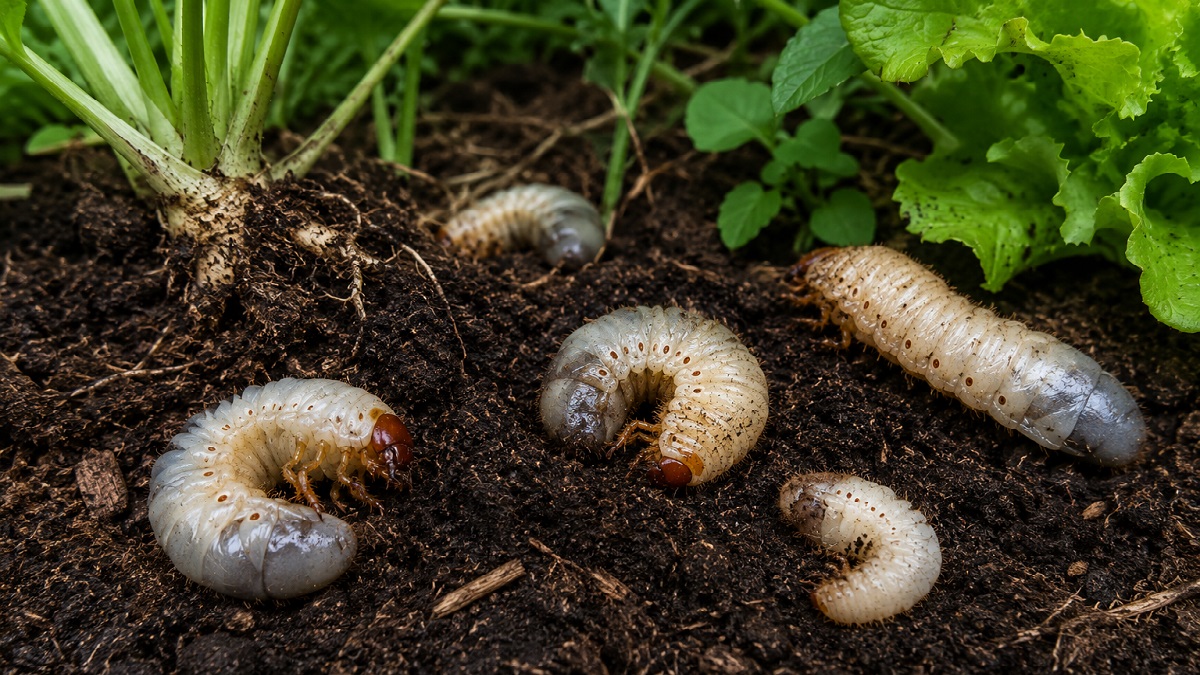
Beetle larvae are among the most common underground garden pests. Many gardeners discover them while digging in flower beds, turning compost, or preparing vegetable patches. These pale, soft-bodied grubs may appear harmless at first glance, but large populations can severely damage lawns, vegetables, ornamental plants, and even young trees.
The term “beetle larvae” refers to the immature stage of beetles before they become adults. Thousands of beetle species exist worldwide, and many spend a significant portion of their life underground feeding on roots, organic matter, bulbs, and decaying plant material. Some species are beneficial decomposers, while others are destructive pests capable of killing healthy plants.
Understanding how to identify beetle larvae correctly is the first step toward effective control. Not every grub found in the soil needs to be eliminated. In fact, many larvae help break down organic matter and improve soil health. Gardeners should focus on identifying harmful species, monitoring damage levels, and choosing environmentally friendly treatment methods whenever possible.
In this comprehensive guide, you will learn how to recognize beetle larvae, understand their life cycle, identify common signs of infestation, and apply organic and chemical control solutions safely and effectively.
What Are Beetle Larvae?
Beetle larvae are juvenile beetles that hatch from eggs laid in soil, compost, mulch, wood, or plant debris. During the larval stage, they focus almost entirely on feeding and growth before eventually transforming into pupae and later emerging as adult beetles.
Most beetle larvae have soft, segmented bodies with cream, white, or yellow coloring. Many species curl into a C-shape when disturbed. They usually have brown heads and visible legs near the front of the body.
Depending on the species, beetle larvae may feed on:
- Grass roots
- Vegetable roots
- Flower bulbs
- Organic matter
- Rotting wood
- Stored grains or seeds
- Plant stems and leaves
Some of the most problematic garden pests include Japanese beetle grubs, chafer beetle larvae, click beetle larvae (wireworms), and root-feeding scarab beetles.
Life Cycle of Beetle Larvae
Understanding the beetle life cycle helps gardeners apply treatments at the right time. Most beetles go through four distinct stages:
1. Egg Stage
Adult beetles lay eggs in moist soil, mulch, compost, or plant debris. Depending on temperature and species, eggs hatch within a few days to several weeks.
2. Larval Stage
Once hatched, larvae begin feeding immediately. This is usually the longest stage of the beetle’s life cycle and the period when the most plant damage occurs. Some larvae remain underground for several months, while others stay there for multiple years.
3. Pupal Stage
After reaching maturity, larvae enter the pupal stage. During this transformation period, they stop feeding and gradually develop into adult beetles.
4. Adult Beetle Stage
Adult beetles emerge from the soil to feed, mate, and lay eggs. Many adult beetles are active during spring and summer.
Breaking the life cycle during the larval stage is often the most effective method of garden pest control.
Common Types of Beetle Larvae Found in Gardens
| Larvae Type | Main Damage | Common Location |
|---|---|---|
| Japanese Beetle Grubs | Grass root damage | Lawns and turf |
| Chafer Beetle Larvae | Root feeding | Garden beds and lawns |
| Wireworms | Seed and root damage | Vegetable gardens |
| Carpet Beetle Larvae | Indoor fabric damage | Homes and storage |
| Scarab Beetle Grubs | Plant root destruction | Soil and lawns |
Each species behaves differently, which is why accurate identification is essential before choosing a treatment method.
Signs of Beetle Larvae Damage
Beetle larvae often remain hidden underground, making early detection difficult. However, plants usually show several warning signs when roots become damaged.
Wilting Plants
Plants may wilt even when soil moisture appears adequate. Damaged roots cannot absorb enough water and nutrients to support healthy growth.
Brown or Dead Lawn Patches
Lawn grubs commonly create irregular brown patches that peel away easily from the soil surface because roots have been eaten.
Poor Plant Growth
Vegetables and flowers affected by larvae often appear stunted, weak, or pale.
Bird and Animal Activity
Birds, raccoons, skunks, and moles frequently dig in lawns searching for grubs. Increased animal activity may indicate a serious infestation.
Damaged Seeds and Tubers
Wireworms and similar larvae feed on seeds, potatoes, carrots, onions, and underground stems.
How to Inspect Soil for Beetle Larvae
Regular soil inspection helps detect problems before extensive plant damage occurs. Use a small garden trowel or shovel to examine the top few inches of soil around affected plants.
Healthy garden soil may naturally contain a few larvae, which is normal. However, large numbers concentrated in one area usually require treatment.
When inspecting:
- Check around plant roots and lawn edges
- Look under mulch and compost piles
- Inspect damaged vegetables and bulbs
- Examine soil after rainfall or irrigation
Recording the number of larvae found per square foot can help determine whether action is necessary.
Are Beetle Larvae Always Harmful?
Not all beetle larvae are destructive pests. Some species play beneficial roles in the garden ecosystem by helping decompose organic matter and recycle nutrients.
Beneficial larvae contribute to:
- Compost decomposition
- Soil aeration
- Nutrient recycling
- Breaking down dead wood
Before treating any infestation, gardeners should confirm whether the larvae are truly harming plants. Eliminating all soil insects can disrupt beneficial organisms and reduce overall soil biodiversity.
Organic Methods to Control Beetle Larvae
1. Beneficial Nematodes
Beneficial nematodes are microscopic worms that naturally attack grubs in the soil. They are one of the safest and most effective organic solutions for lawn and garden infestations.
Apply nematodes during moist weather conditions and water the soil thoroughly afterward for best results.
2. Encourage Natural Predators
Birds, frogs, toads, and beneficial insects help keep beetle larvae populations under control naturally.
Creating a wildlife-friendly garden with water sources and native plants encourages natural predators to remain nearby.
3. Crop Rotation
Rotating vegetables each season reduces the likelihood of recurring infestations in the same soil area.
4. Hand Removal
Small infestations can often be controlled simply by digging up and removing larvae manually.
5. Improve Soil Health
Healthy soil supports beneficial organisms that naturally suppress harmful pests. Adding compost and maintaining proper drainage can improve overall soil resilience.
Chemical Treatments for Severe Infestations
Chemical insecticides should only be considered when infestations become severe and organic methods fail to provide adequate control.
Many lawn grub treatments contain active ingredients designed to target larvae feeding underground. Always read product labels carefully and follow local gardening regulations.
Avoid overusing pesticides because they may:
- Harm pollinators
- Kill beneficial insects
- Contaminate groundwater
- Reduce soil biodiversity
Spot treatments are generally safer than treating the entire garden unnecessarily.
Preventing Beetle Larvae Infestations
Prevention is often easier than eliminating established infestations. A healthy, balanced garden ecosystem naturally reduces pest problems over time.
Avoid Overwatering
Excess moisture creates favorable conditions for many beetle species to lay eggs.
Maintain Healthy Lawns
Thick, healthy grass tolerates grub damage better than weak turf.
Remove Plant Debris
Clearing dead leaves, decaying wood, and neglected compost piles reduces breeding sites.
Use Companion Planting
Certain herbs and flowers may help repel adult beetles naturally.
Monitor Regularly
Frequent inspections allow gardeners to detect early signs before infestations spread.
Beetle Larvae in Compost Piles
Finding larvae in compost piles is very common. In many cases, these insects are beneficial decomposers helping break down organic matter.
However, extremely large populations may indicate excessive moisture or poor compost balance.
To maintain healthy compost:
- Turn compost regularly
- Balance green and brown materials
- Avoid adding diseased plant material
- Maintain proper airflow
Compost piles containing mostly decomposer larvae usually do not require treatment.
Seasonal Activity of Beetle Larvae
Beetle larvae activity changes throughout the year depending on climate and species.
| Season | Typical Activity |
|---|---|
| Spring | Larvae begin feeding actively |
| Summer | Peak feeding and root damage |
| Autumn | Larvae prepare for overwintering |
| Winter | Reduced activity deep in soil |
Timing treatments according to seasonal behavior significantly improves effectiveness.
When to Seek Professional Help
Severe infestations affecting large lawns, commercial gardens, or valuable ornamental plants may require professional pest management services.
Consider contacting an expert if:
- Plants continue dying despite treatment
- Large areas of lawn become detached from soil
- Infestations return repeatedly
- You cannot identify the larvae correctly
A professional can identify the exact species and recommend targeted control methods suitable for your region and climate.
Final Thoughts
Beetle larvae are a natural part of many garden ecosystems, but excessive populations can quickly damage lawns, vegetables, flowers, and ornamental plants. Proper identification, early detection, and environmentally responsible control methods are essential for maintaining healthy gardens.
In many cases, organic solutions such as beneficial nematodes, healthy soil practices, crop rotation, and encouraging natural predators provide excellent long-term results without harming beneficial wildlife.
By monitoring your garden regularly and understanding the life cycle of beetles, you can prevent small problems from becoming major infestations while supporting a thriving and balanced garden environment.