Parasitic Wasps for Gardening: Nature’s Tiny Pest Controllers
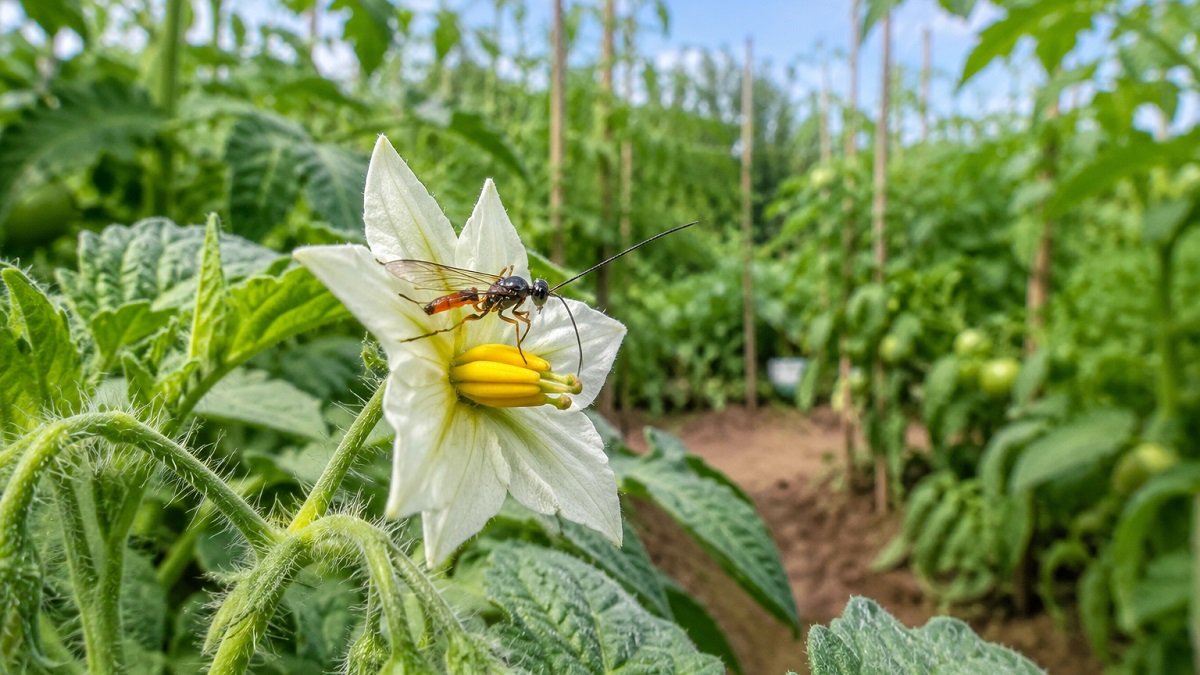
Many gardeners spend years battling destructive insects such as aphids, tomato hornworms, caterpillars, whiteflies, and cabbage worms. Chemical pesticides may provide temporary relief, but they can also harm pollinators, contaminate soil, and reduce biodiversity in the garden. Fortunately, nature already offers an effective solution in the form of parasitic wasps.
Despite their intimidating name, parasitic wasps are among the most beneficial insects found in home gardens. These tiny insects are harmless to humans and pets, yet highly effective at controlling many common garden pests. By naturally reducing pest populations, parasitic wasps help create healthier gardens with fewer chemical treatments.
Most species are extremely small, often less than half an inch long. Many are so tiny that gardeners rarely notice them. Unlike social wasps such as yellow jackets, parasitic wasps are generally non-aggressive and rarely sting people. Their primary purpose is locating host insects where they lay eggs. The developing larvae feed on or inside the host pest, eventually killing it.
Understanding how these beneficial insects work can completely change the way gardeners approach pest management. Instead of trying to eliminate every insect in sight, successful organic gardeners focus on encouraging a balanced ecosystem where beneficial insects naturally regulate harmful pests.
What Are Parasitic Wasps?
Parasitic wasps are a diverse group of beneficial insects belonging to several insect families. Unlike predatory wasps that directly hunt and consume prey, parasitic wasps use host insects to support the development of their larvae. Female wasps lay eggs on or inside pest insects, and the developing young feed on the host.
The process sounds unpleasant from the pest’s perspective, but it is one of nature’s most effective biological control systems. Over time, parasitic wasps can dramatically reduce populations of destructive insects in vegetable gardens, orchards, flower beds, and greenhouses.
Why They Are Beneficial
- Reduce pest populations naturally
- Minimize the need for chemical pesticides
- Protect pollinators and soil organisms
- Improve garden biodiversity
- Help maintain ecological balance
- Work continuously throughout the growing season
Because different species target different pests, parasitic wasps collectively help control a wide range of garden problems. Some species attack aphids, while others specialize in caterpillars, beetles, whiteflies, scales, or flies.
How Parasitic Wasps Control Garden Pests
Female parasitic wasps locate host insects using chemical signals, plant odors, and movement. Once a suitable host is found, the wasp deposits eggs either inside the pest or attached to its body. The larvae hatch and begin feeding on the host, eventually killing it.
Different parasitic wasps use different strategies. Some species attack insect eggs before they hatch. Others target larvae or adult insects. In many cases, gardeners first notice evidence of parasitic wasps when they see unusual-looking pests or insect “mummies.”
Signs of Parasitic Wasp Activity
- Brown or swollen aphid mummies on plants
- White cocoons attached to caterpillars
- Reduced pest numbers without spraying
- Small wasps hovering near infested plants
- Inactive or sluggish pest insects
These signs indicate that beneficial insects are already helping your garden ecosystem. Removing or spraying affected insects may accidentally destroy the beneficial wasps as well.
Common Types of Parasitic Wasps in Gardens
Thousands of parasitic wasp species exist worldwide, but several groups are especially useful in home gardens. Understanding their target pests helps gardeners recognize and protect them.
| Parasitic Wasp | Target Pests | Garden Benefit |
|---|---|---|
| Braconid Wasps | Tomato hornworms, caterpillars | Protect vegetables and ornamentals |
| Ichneumon Wasps | Caterpillars, beetle larvae | Reduce leaf damage |
| Aphidius Wasps | Aphids | Natural aphid suppression |
| Trichogramma Wasps | Moth eggs | Prevent caterpillar outbreaks |
| Encarsia Wasps | Whiteflies | Useful in greenhouses |
Braconid Wasps
Braconid wasps are among the most recognized parasitic wasps in vegetable gardens. Gardeners often spot their white cocoon clusters attached to tomato hornworms. These wasps help protect tomatoes, peppers, and other crops from serious caterpillar damage.
Ichneumon Wasps
Ichneumon wasps vary greatly in size and appearance. Some have long egg-laying structures called ovipositors used to reach hidden larvae inside wood or stems. They target numerous pests and contribute significantly to natural pest control.
Aphid Parasitoids
Aphid parasitoids attack aphids by laying eggs inside them. Infected aphids swell and turn brown or tan, creating characteristic “aphid mummies.” This is one of the easiest ways gardeners can identify parasitic wasp activity.
Garden Pests Controlled by Parasitic Wasps
One of the greatest advantages of parasitic wasps is their ability to target many common pests that damage vegetables, fruits, flowers, and ornamental plants.
Common Target Pests
- Aphids
- Tomato hornworms
- Cabbage worms
- Whiteflies
- Scale insects
- Leafminers
- Armyworms
- Cutworms
- Codling moths
- Beetle larvae
Because different parasitic wasps specialize in different pests, maintaining a diverse garden habitat encourages a wider range of beneficial insects. Diversity improves the stability and resilience of the garden ecosystem.
How to Attract Parasitic Wasps to Your Garden
Attracting parasitic wasps is easier than many gardeners realize. These insects primarily need nectar sources, shelter, and a pesticide-free environment. Simple gardening practices can dramatically increase beneficial insect populations.
Plant Nectar-Rich Flowers
Adult parasitic wasps feed mainly on nectar and pollen. Small-flowered plants are especially attractive because the tiny wasps can easily access nectar.
Best Flowers for Beneficial Wasps
- Dill
- Fennel
- Sweet alyssum
- Yarrow
- Cilantro
- Parsley
- Queen Anne’s lace
- Cosmos
- Marigolds
Herbs allowed to flower are particularly useful for attracting beneficial insects. A mixed planting strategy creates a steady nectar supply throughout the growing season.
Avoid Broad-Spectrum Pesticides
Chemical pesticides often kill beneficial insects along with harmful pests. Even organic sprays can negatively affect parasitic wasps if overused. Limiting pesticide use helps beneficial insect populations establish naturally.
Provide Habitat Diversity
Gardens with varied plant heights, flowering schedules, mulch layers, and natural areas tend to support more beneficial insects. Native plants are especially valuable because local insects evolved alongside them.
Leave Some Pests Behind
Completely pest-free gardens rarely support strong beneficial insect populations. Small pest populations provide food and breeding opportunities for parasitic wasps, helping them remain active in the garden.
Using Purchased Parasitic Wasps
Some gardeners purchase parasitic wasps for greenhouse use or serious pest outbreaks. Commercial suppliers sell beneficial insects for biological pest management in both home gardens and commercial agriculture.
Trichogramma wasps are among the most commonly released biological control agents. These tiny wasps attack moth eggs before caterpillars emerge, reducing crop damage early.
Tips for Successful Releases
- Release wasps during calm weather
- Avoid pesticide use before and after release
- Follow supplier timing instructions carefully
- Provide flowering plants nearby
- Release in the early morning or evening
Purchased beneficial insects work best when combined with long-term habitat improvements. A healthy garden ecosystem supports naturally reproducing populations over time.
Are Parasitic Wasps Dangerous?
Most parasitic wasps are harmless to people. Many species are extremely tiny and incapable of stinging humans. Unlike aggressive social wasps, parasitic wasps are solitary and focused entirely on locating hosts.
Gardeners often fear the word “wasp,” but parasitic wasps are very different from yellow jackets or hornets. They do not defend nests aggressively and are rarely noticed unless gardeners actively look for them.
Important Safety Facts
- Most species do not sting humans
- They are non-aggressive
- They do not swarm around food
- They help reduce harmful pest insects
- They are considered highly beneficial in agriculture
Benefits of Biological Pest Control
Biological pest control focuses on using living organisms to manage pests naturally. Parasitic wasps are a major part of this sustainable gardening strategy.
Compared to repeated pesticide applications, biological control offers long-term environmental advantages. Beneficial insects continue reproducing and adapting within the garden ecosystem.
| Biological Control | Chemical Control |
|---|---|
| Environmentally friendly | May contaminate soil and water |
| Protects pollinators | Can harm bees and butterflies |
| Long-term ecosystem balance | Temporary pest suppression |
| Reduces pesticide resistance | Pests may develop resistance |
| Supports biodiversity | Can reduce beneficial insect populations |
Healthy gardens often depend on a combination of beneficial insects, healthy soil, crop rotation, companion planting, and proper watering practices rather than relying solely on chemical interventions.
Creating a Beneficial Insect Garden
A beneficial insect garden is designed specifically to support pollinators and natural predators. Parasitic wasps thrive in gardens that provide food, water, shelter, and year-round habitat diversity.
Key Features of a Beneficial Insect Garden
- Diverse flowering plants
- Native species
- Reduced pesticide use
- Continuous blooms through the season
- Mulch and ground cover
- Water sources for insects
- Mixed vegetable and flower plantings
Companion planting also improves beneficial insect activity. Flowers interplanted with vegetables increase nectar access while helping conceal crops from pests.
Over time, beneficial insect populations become more stable, making pest outbreaks less severe and easier to manage naturally.
Conclusion
Parasitic wasps are among the most valuable allies available to gardeners seeking natural pest control solutions. These tiny beneficial insects help reduce destructive pests while supporting healthier and more sustainable gardens.
By planting nectar-rich flowers, minimizing pesticide use, and encouraging biodiversity, gardeners can attract and support populations of parasitic wasps throughout the growing season. Instead of viewing every insect as a threat, successful organic gardening recognizes the importance of balance and ecological partnerships.
Whether you grow vegetables, herbs, flowers, or fruit trees, parasitic wasps can become an essential part of your garden’s defense system. Their quiet and effective work helps create stronger plants, healthier soil ecosystems, and more productive harvests without relying heavily on synthetic chemicals.