Bees in the Garden: Why These Tiny Pollinators Matter
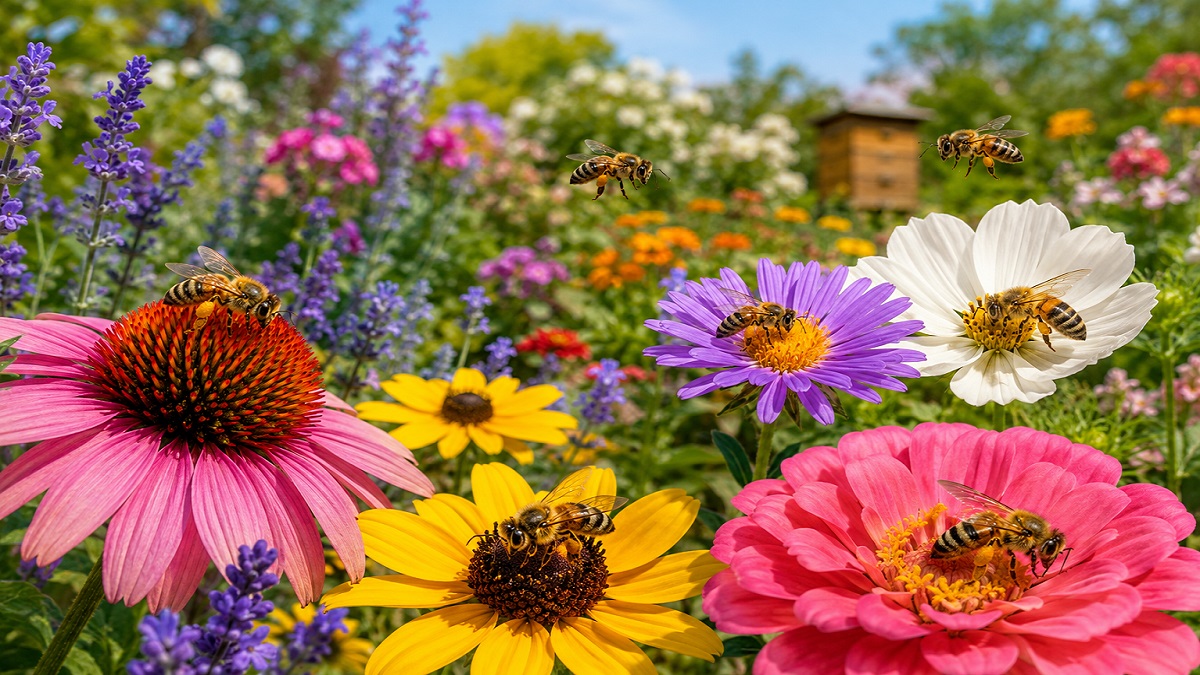
Bees are among the most important creatures in any garden ecosystem. These hardworking pollinators support the growth of flowers, fruits, vegetables, herbs, and wild plants. Without bees, many plants would struggle to reproduce, and food production around the world would decline dramatically.
Gardeners often focus on soil quality, watering schedules, fertilizers, and pest control, but pollination is equally critical for healthy plant growth. Bees move pollen between flowers as they collect nectar and pollen for food, allowing plants to develop seeds and fruit. This natural process improves yields and helps maintain biodiversity in gardens and natural landscapes.
Creating a bee-friendly garden is one of the best ways to support local ecosystems while improving your own garden’s productivity. By planting pollinator-friendly flowers, avoiding harmful chemicals, and providing shelter and water, gardeners can help bees thrive throughout the growing season.
Why Bees Are Important in the Garden
Bees are primary pollinators for thousands of plant species. As they travel from flower to flower searching for nectar, pollen grains attach to their bodies and transfer between blossoms. This pollination process enables fertilization and seed production.
Many common garden crops depend heavily on bee pollination, including:
- Tomatoes
- Cucumbers
- Squash
- Blueberries
- Strawberries
- Apples
- Peppers
- Melons
Pollination improves not only crop quantity but also fruit quality and size. Gardens with healthy bee populations often produce larger harvests and more vibrant flowering plants.
Bees also contribute to environmental balance. Wildflowers, trees, shrubs, and native plants depend on pollination to survive and reproduce. These plants provide food and shelter for birds, butterflies, and countless other beneficial insects.
Common Types of Bees Found in Gardens
Many gardeners are surprised to learn that there are thousands of bee species worldwide. While honey bees are the most recognizable, gardens support a wide variety of native bees that are equally valuable pollinators.
Honey Bees
Honey bees live in large colonies and are known for producing honey and beeswax. They are social insects with organized hives containing worker bees, drones, and a queen. Honey bees are efficient pollinators and frequently visit flowering crops and herbs.
Bumble Bees
Bumble bees are larger and fuzzier than honey bees. They are excellent pollinators because their hairy bodies collect large amounts of pollen. Bumble bees can also pollinate plants through a process called buzz pollination, which is especially useful for tomatoes and peppers.
Mason Bees
Mason bees are solitary bees that nest in small holes and cavities. They are gentle and highly efficient pollinators. Many gardeners install bee hotels to encourage mason bee populations.
Leafcutter Bees
Leafcutter bees cut neat circular pieces from leaves to build their nests. Although the leaf damage may look concerning, these bees rarely harm plants significantly and provide excellent pollination services.
| Bee Type | Characteristics | Pollination Benefits |
|---|---|---|
| Honey Bee | Social hive species | Fruit and vegetable pollination |
| Bumble Bee | Large and fuzzy | Excellent for tomatoes and peppers |
| Mason Bee | Solitary cavity nester | Highly efficient spring pollinator |
| Leafcutter Bee | Cuts leaf circles for nests | Pollinates flowers and legumes |
Best Flowers for Attracting Bees
Bees are naturally attracted to nectar-rich flowers with bright colors and strong fragrances. Planting a wide variety of flowering plants ensures bees have access to food throughout the growing season.
Native plants are particularly beneficial because local bees evolved alongside them. Native flowers typically provide better nutrition and bloom at the right times for regional pollinator species.
Top Bee-Friendly Flowers
- Lavender
- Sunflowers
- Bee balm
- Coneflowers
- Black-eyed Susans
- Zinnias
- Cosmos
- Salvia
- Wildflowers
- Borage
Plant flowers in clusters rather than scattering single plants throughout the garden. Large patches of color are easier for bees to spot and make foraging more efficient.
Including plants with staggered bloom times ensures bees can find nectar from spring through fall. Early spring flowers are especially important because bees emerge when food sources are still limited.
How to Create a Bee-Friendly Garden
Building a bee-friendly garden does not require a large space. Even small urban gardens, patios, and balconies can provide valuable habitat for pollinators.
Plant Diverse Flowers
Diversity supports different bee species with varying tongue lengths and feeding preferences. Combining flowers of different shapes, sizes, and colors encourages a wider range of pollinators.
Avoid Harmful Pesticides
Chemical pesticides are one of the biggest threats to bee populations. Insecticides can contaminate nectar and pollen, harming both adult bees and developing larvae.
Organic gardening methods, companion planting, and natural pest control strategies help protect pollinators while maintaining plant health.
Provide Water Sources
Bees need fresh water, especially during hot weather. A shallow dish filled with water and small stones gives bees a safe place to land and drink.
Leave Natural Areas
Many native bees nest in bare soil, hollow stems, or dead wood. Leaving parts of the garden slightly wild provides essential nesting habitats.
Install Bee Hotels
Bee hotels support solitary bee species such as mason bees and leafcutter bees. Place bee hotels in sunny, sheltered locations away from heavy rain.
The Relationship Between Bees and Organic Gardening
Organic gardening and pollinator conservation work together naturally. Gardens free from synthetic pesticides and herbicides tend to support healthier insect populations, richer soil ecosystems, and greater biodiversity.
Organic gardeners often use compost, mulch, crop rotation, and beneficial insects to maintain plant health instead of relying on chemicals. These practices create safer habitats for bees and other pollinators.
Companion planting is another valuable strategy. Herbs and flowers planted among vegetables attract pollinators while confusing pests. Marigolds, basil, dill, and nasturtiums are commonly used in organic gardens to improve ecological balance.
Gardens managed with ecological principles often become thriving mini-ecosystems where bees, butterflies, birds, earthworms, and beneficial insects coexist naturally.
Threats Facing Bee Populations
Bee populations around the world face several major challenges. Habitat destruction, pesticide exposure, climate change, diseases, and parasites have contributed to declining pollinator numbers in many regions.
Habitat Loss
Urban development and intensive agriculture reduce natural flowering habitats. Lawns and paved surfaces provide little food or shelter for pollinators.
Pesticides
Certain pesticides can impair bees’ navigation, reproduction, and immune systems. Even low levels of exposure may weaken colonies over time.
Climate Change
Shifts in temperature and weather patterns affect flowering schedules and food availability. Bees may emerge before flowers bloom or face extended drought conditions.
Parasites and Disease
Honey bees are particularly vulnerable to pests such as Varroa mites, which weaken colonies and spread disease.
Gardeners can help counter these threats by planting pollinator habitats and reducing chemical use in landscapes.
Seasonal Care for Pollinators
Spring
Early flowering plants such as crocus, lavender, and fruit blossoms provide critical food sources for bees emerging from winter dormancy.
Summer
Summer gardens should include nectar-rich flowers with continuous blooms. Water sources become especially important during hot weather.
Autumn
Late-blooming flowers such as asters and goldenrod help bees prepare for winter by providing essential energy reserves.
Winter
Avoid excessive garden cleanup during winter. Hollow stems, leaf litter, and natural debris provide shelter for overwintering pollinators.
Frequently Asked Questions About Bees
Final Thoughts
Bees are essential partners in every healthy garden. Their pollination services support flowers, fruits, vegetables, herbs, and native plants while maintaining ecological balance throughout the environment.
By planting diverse flowers, avoiding harmful chemicals, and providing safe habitats, gardeners can make a meaningful contribution to pollinator conservation. Even small gardening choices can help sustain bee populations and create thriving outdoor spaces filled with life and biodiversity.
A bee-friendly garden is more than just beautiful. It is productive, sustainable, environmentally responsible, and deeply connected to the natural world.