Beneficial Insects in the Garden: Nature’s Best Pest Control Allies
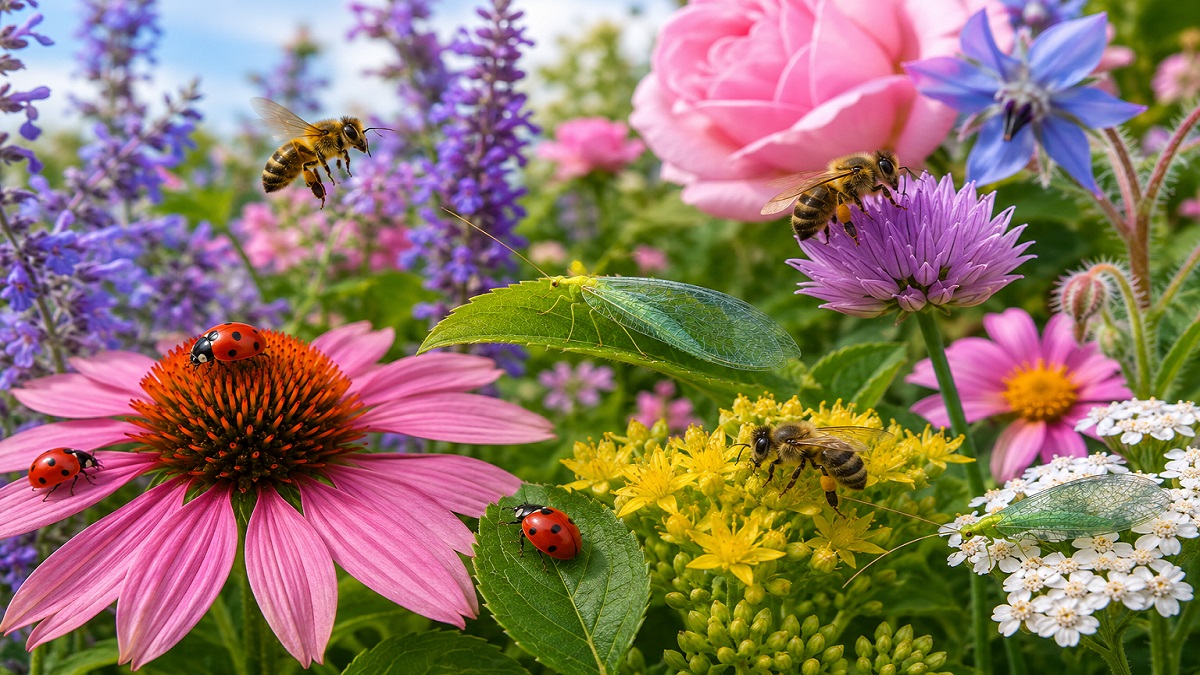
Many gardeners spend countless hours trying to protect plants from pests, but nature already provides an effective solution. Beneficial insects are some of the most valuable helpers in any healthy garden ecosystem. These insects pollinate crops, prey on harmful pests, recycle organic matter, and improve the balance of the environment naturally.
Instead of relying heavily on chemical pesticides, gardeners can encourage beneficial insects to create a thriving and sustainable garden. Ladybugs, lacewings, bees, hoverflies, parasitic wasps, praying mantises, and ground beetles all contribute to healthier plants and improved harvests.
Understanding how beneficial insects work is an important step toward organic gardening success. By attracting and protecting these helpful creatures, you can reduce pest outbreaks while improving biodiversity and plant productivity at the same time.
What Are Beneficial Insects?
Beneficial insects are insects that provide positive effects within the garden ecosystem. They generally fall into three major categories:
- Pollinators that help flowers produce fruits and seeds
- Predators that feed on harmful garden pests
- Parasitoids that lay eggs inside destructive insects
These insects naturally regulate pest populations and reduce the need for chemical intervention. A balanced garden ecosystem often contains far more beneficial insects than harmful pests.
Some beneficial insects work quietly underground, while others are highly visible among flowers and vegetables. Many gardeners mistakenly identify these insects as pests and accidentally remove them. Learning to recognize them helps prevent unnecessary harm.
Why Beneficial Insects Matter in Gardening
Natural Pest Control
Predatory insects feed on aphids, caterpillars, mites, whiteflies, mealybugs, and other damaging pests. This natural form of pest management helps reduce crop damage without harmful sprays.
Improved Pollination
Pollinators such as bees and hoverflies transfer pollen between flowers, increasing fruit production in vegetables, herbs, and fruit trees.
Reduced Chemical Usage
Encouraging beneficial insects lowers dependency on pesticides. This makes gardening safer for children, pets, wildlife, and soil organisms.
Healthier Ecosystems
A garden rich in insect diversity is generally healthier and more resilient against disease outbreaks and environmental stress.
Top Beneficial Insects for the Garden
Ladybugs
Ladybugs are among the most recognized beneficial insects. Both adults and larvae consume aphids, scale insects, mites, and whiteflies. A single ladybug can eat dozens of aphids daily.
Ladybug larvae often resemble tiny black alligators with orange markings. Because they look unusual, gardeners sometimes mistake them for pests.
Lacewings
Green lacewings are delicate insects with transparent wings, but their larvae are aggressive predators. Lacewing larvae feed heavily on aphids, thrips, caterpillars, and mealybugs.
Hoverflies
Hoverflies resemble small bees or wasps but are harmless to humans. Adults pollinate flowers, while larvae feed on aphids and soft-bodied pests.
Praying Mantises
Praying mantises consume a wide range of insects, including beetles, grasshoppers, moths, and caterpillars. They are excellent general predators in larger gardens.
Ground Beetles
Ground beetles patrol soil surfaces at night and feed on slugs, cutworms, caterpillars, and insect eggs. They are highly valuable in vegetable gardens.
Parasitic Wasps
These tiny non-aggressive wasps lay eggs inside pests such as tomato hornworms, caterpillars, and aphids. The larvae eventually kill the host insect naturally.
Bees
Bees are essential pollinators for many fruits and vegetables. Tomatoes, cucumbers, melons, squash, berries, and fruit trees all benefit from bee activity.
Common Garden Pests and Their Natural Predators
| Garden Pest | Beneficial Insect | Type of Control |
|---|---|---|
| Aphids | Ladybugs, Lacewings, Hoverflies | Predation |
| Whiteflies | Ladybugs, Parasitic Wasps | Predation & Parasitism |
| Caterpillars | Parasitic Wasps, Praying Mantises | Predation |
| Slugs | Ground Beetles | Predation |
| Spider Mites | Lacewings, Predatory Mites | Predation |
| Thrips | Lacewings, Minute Pirate Bugs | Predation |
How to Attract Beneficial Insects
Plant Nectar-Rich Flowers
Many beneficial insects rely on nectar and pollen during their adult stage. Growing flowering plants throughout the season provides a reliable food source.
Excellent insect-friendly flowers include:
- Marigolds
- Sunflowers
- Dill
- Fennel
- Cosmos
- Zinnias
- Yarrow
- Lavender
Avoid Broad-Spectrum Pesticides
Chemical pesticides often kill beneficial insects along with pests. Even organic sprays should be used carefully and only when necessary.
Provide Water Sources
Shallow dishes with pebbles or small garden ponds offer drinking water for pollinators and predatory insects.
Create Shelter
Mulch, leaf litter, logs, and dense vegetation provide hiding places and overwintering habitat for beneficial insects.
Grow Diverse Plants
Monoculture gardens attract pest outbreaks more easily. Plant diversity supports a balanced insect population and encourages natural pest control.
Companion Planting for Beneficial Insects
Companion planting combines flowers, herbs, and vegetables to support beneficial insects while discouraging pests. Many herbs are especially attractive to pollinators and predatory insects.
| Plant | Beneficial Insects Attracted | Garden Benefits |
|---|---|---|
| Dill | Lacewings, Hoverflies | Aphid control |
| Lavender | Bees, Butterflies | Pollination support |
| Marigold | Hoverflies, Ladybugs | Pest deterrence |
| Yarrow | Parasitic Wasps | Predator support |
| Sunflower | Bees, Predatory Beetles | Pollination & shelter |
Signs of a Healthy Beneficial Insect Population
Gardens rich in beneficial insects often display several positive signs:
- Fewer aphid outbreaks
- Improved flowering and fruit production
- Visible pollinator activity during the day
- Less leaf damage from chewing pests
- Balanced insect diversity
It is important to remember that a completely insect-free garden is unrealistic and unhealthy. Small pest populations actually help sustain beneficial predators.
Should You Buy Beneficial Insects?
Some gardeners purchase beneficial insects such as ladybugs or praying mantis egg cases. While this can occasionally help, naturally attracting local insect populations is usually more effective long term.
Purchased insects sometimes leave the area quickly if food and habitat are limited. Creating a welcoming garden environment provides more sustainable results.
If you do purchase beneficial insects, release them during cooler evening hours near plants affected by pests. Providing water and shelter improves survival rates.
Creating an Organic Garden Ecosystem
Beneficial insects are only one part of a larger organic gardening system. Healthy soil, proper watering, composting, crop rotation, and native plants all contribute to ecological balance.
Gardens managed with biodiversity in mind become more self-sustaining over time. Instead of reacting to every pest problem with chemicals, gardeners learn to support natural cycles and predator-prey relationships.
Birds, frogs, spiders, and earthworms also contribute to pest management and soil health. A thriving garden ecosystem includes many forms of life working together naturally.
Seasonal Care for Beneficial Insects
Spring
Plant early flowers and avoid spraying chemicals when pollinators first emerge. This is the best time to establish insect-friendly habitats.
Summer
Maintain flowering plants, provide water sources, and monitor pest levels naturally before intervening.
Autumn
Leave some plant debris and seed heads intact so insects have overwintering sites and food sources.
Winter
Avoid excessive garden cleanup. Many beneficial insects survive winter inside stems, mulch, bark, and leaf litter.
Conclusion
Beneficial insects are essential partners in successful gardening. They reduce pest problems naturally, improve pollination, and create healthier ecosystems without heavy reliance on chemicals.
By planting diverse flowers, avoiding harmful pesticides, and creating insect-friendly habitats, gardeners can encourage these helpful allies year after year. A balanced garden filled with beneficial insects becomes more productive, resilient, and environmentally sustainable.
Instead of fighting nature, organic gardeners learn to work alongside it. Beneficial insects prove that some of the best garden solutions already exist within the ecosystem itself.