Beneficial Insects: Ladybugs – Natural Pest Control for Healthy Gardens
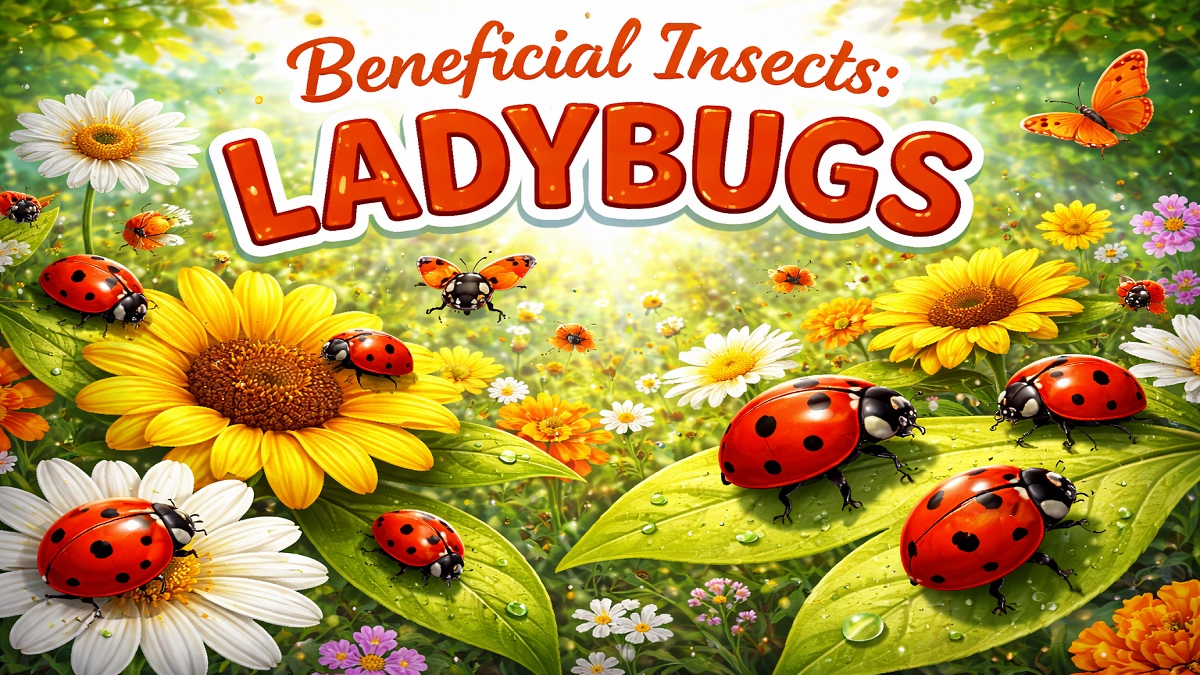
Ladybugs are among the most valuable beneficial insects in gardening, known for their ability to naturally control harmful pests. These small, colorful beetles are widely used in organic farming and home gardens because they reduce the need for chemical pesticides while promoting plant health.
By feeding on destructive insects like aphids, whiteflies, mealybugs and spider mites, ladybugs help maintain a balanced ecosystem. Whether you are managing a small home garden or a large agricultural space, encouraging ladybugs can significantly improve plant growth and reduce pest-related damage.
What Are Ladybugs?
Ladybugs, also called lady beetles, belong to the Coccinellidae family. They are small, dome-shaped insects commonly recognized by their bright red or orange bodies with black spots.
These insects are highly beneficial because they prey on soft-bodied pests that damage plants. Both adult ladybugs and their larvae are active predators, making them effective throughout their life cycle.
Life Cycle of Ladybugs
Egg Stage
Ladybugs lay small yellow eggs on leaves near pest colonies.
Larval Stage
Larvae are highly active feeders and consume large numbers of pests daily.
Pupal Stage
During this stage, the larva transforms into an adult.
Adult Stage
Adult ladybugs continue feeding and reproducing, helping control pest populations.
Benefits of Ladybugs in Gardening
- Natural pest control without chemicals
- Safe for humans, pets, and plants
- Reduces pesticide use
- Improves plant health
- Eco-friendly gardening solution
Ladybugs are a long-term solution for maintaining garden health and biodiversity.
Pests Controlled by Ladybugs
| Pest | Damage | Effectiveness |
|---|---|---|
| Aphids | Suck plant sap | Very High |
| Whiteflies | Spread diseases | High |
| Mealybugs | Damage stems | High |
| Spider Mites | Cause leaf damage | Moderate |
A single ladybug can consume dozens of pests daily, making them extremely effective.
How to Attract Ladybugs
- Plant dill, fennel, and marigolds
- Avoid chemical pesticides
- Provide water sources
- Maintain plant diversity
Creating a welcoming environment helps ladybugs stay and reproduce.
How to Release Ladybugs
- Release during early morning or evening
- Mist plants before release
- Place near pest-infested areas
- Avoid hot sunlight
Proper release increases their effectiveness and retention in your garden.
Creating a Ladybug-Friendly Habitat
- Provide shelter with plants and ground cover
- Maintain organic practices
- Avoid over-cleaning garden areas
A suitable habitat ensures long-term presence of beneficial insects.
Common Mistakes to Avoid
- Using pesticides
- Releasing during hot weather
- Not providing food sources
- Ignoring habitat needs
Ladybugs vs Other Pest Control Methods
| Method | Effectiveness | Safety | Cost |
|---|---|---|---|
| Ladybugs | High | Very Safe | Low |
| Chemical Pesticides | High | Low | Medium |
| Biological Control | Moderate | Safe | High |