Yellow Sticky Traps: Complete Guide for Natural Pest Control
What Are Yellow Sticky Traps?
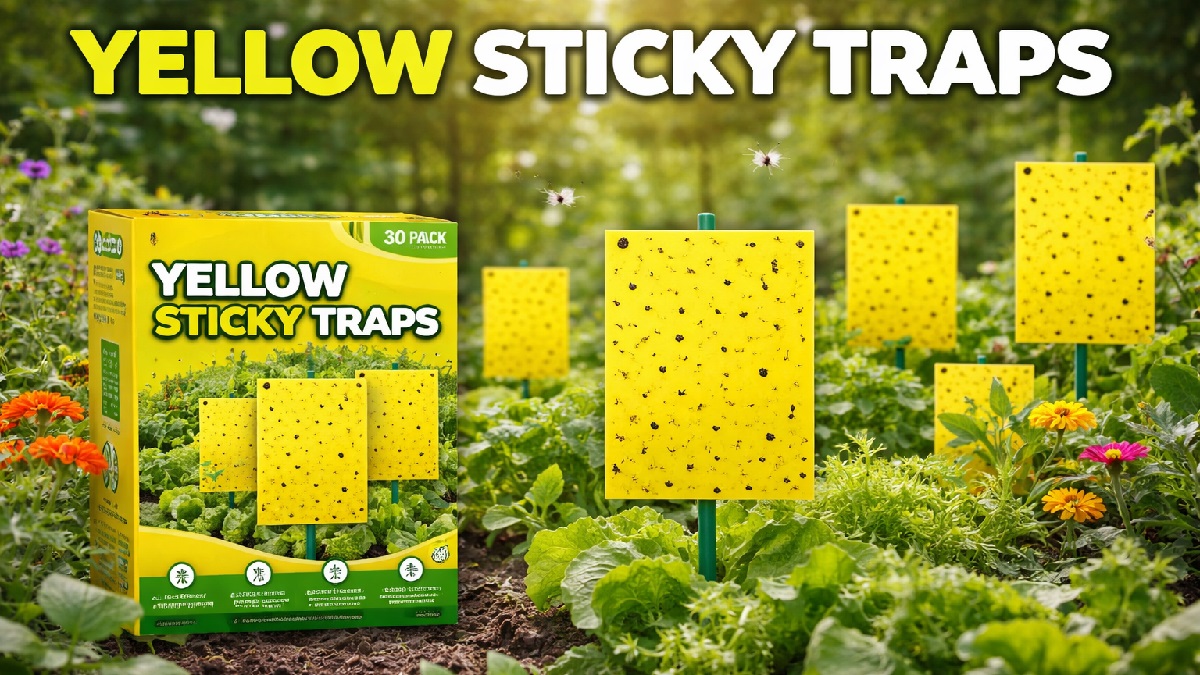
Yellow sticky traps are simple yet highly effective pest control tools widely used in agriculture, gardening, and greenhouse environments. These traps consist of bright yellow-colored sheets coated with a sticky adhesive that captures flying insects. The vibrant yellow color plays a crucial role in attracting pests, as many insects are naturally drawn to this color due to its resemblance to flowers and young leaves.
Once insects land on the trap, they get stuck on the adhesive surface, preventing them from escaping. This makes yellow sticky traps both a monitoring and control solution. Farmers and gardeners often use them to detect pest infestations early and reduce pest populations without relying heavily on chemical pesticides.
These traps are eco-friendly, easy to use, and suitable for both small home gardens and large-scale agricultural fields. They are especially effective against common pests like aphids, whiteflies, fungus gnats, thrips, and leaf miners.
How Do Yellow Sticky Traps Work?
The working principle of yellow sticky traps is based on visual attraction and physical capture. Many flying insects are naturally attracted to bright yellow surfaces. Scientists believe this behavior is linked to their instinct to locate food sources such as flowers or fresh plant growth.
When pests see the bright yellow color, they fly toward it and land on the surface. The sticky adhesive coating ensures that once they land, they cannot escape. Over time, the traps accumulate insects, providing a clear visual indicator of pest activity in the area.
Key Working Mechanisms:
- Color attraction (bright yellow draws insects)
- Non-toxic adhesive trapping
- Continuous monitoring of pest population
- Reduction of breeding cycles
Because they do not rely on chemicals, yellow sticky traps are safe for humans, pets, and beneficial insects when used correctly.
Common Pests Controlled by Yellow Sticky Traps
Yellow sticky traps are highly effective against a variety of flying insect pests that damage crops and plants. They are commonly used in both indoor and outdoor environments to manage infestations.
| Pest Name | Description | Damage Caused |
|---|---|---|
| Aphids | Small soft-bodied insects | Suck plant sap, causing leaf curling |
| Whiteflies | Tiny white flying insects | Transmit plant diseases |
| Fungus Gnats | Small dark flies | Damage plant roots |
| Leaf Miners | Larvae that live inside leaves | Create tunnels in leaves |
| Thrips | Slender insects | Cause leaf discoloration |
Using traps consistently helps in reducing these pest populations and protecting plant health effectively.
Benefits of Using Yellow Sticky Traps
Yellow sticky traps offer numerous advantages compared to traditional pest control methods. They are particularly useful for those who prefer organic or chemical-free gardening.
Major Benefits:
- Eco-friendly and non-toxic
- Easy to install and maintain
- Cost-effective pest control solution
- Provides early detection of infestations
- Reduces dependency on pesticides
- Safe for indoor and outdoor use
Another important benefit is that they help farmers make informed decisions. By observing the number of insects trapped, one can determine whether pest control measures are necessary.
Where to Use Yellow Sticky Traps
Yellow sticky traps can be used in various environments depending on your needs. They are versatile and adaptable for multiple settings.
Common Usage Areas:
- Home gardens
- Greenhouses
- Indoor plants
- Agricultural fields
- Nurseries
- Orchards
In greenhouses, these traps are particularly effective because they help maintain a controlled pest-free environment. For indoor plants, they help manage fungus gnats and other small flying insects.
How to Use Yellow Sticky Traps Effectively
To get the best results from yellow sticky traps, proper placement and maintenance are essential. Incorrect usage may reduce their effectiveness.
Installation Tips:
- Place traps at plant canopy level
- Ensure even distribution across the area
- Avoid placing traps too close to soil
- Replace traps when they are full
- Use more traps during heavy infestations
For optimal results, regularly inspect the traps and monitor pest activity. This helps in taking timely action before infestations become severe.
Yellow Sticky Traps vs Other Pest Control Methods
While there are many pest control options available, yellow sticky traps stand out due to their simplicity and safety.
| Method | Effectiveness | Safety | Cost |
|---|---|---|---|
| Yellow Sticky Traps | Moderate to High | Very Safe | Low |
| Chemical Pesticides | High | Low | Medium |
| Biological Control | Moderate | Safe | High |
Combining yellow sticky traps with other methods like biological control can provide a more comprehensive pest management strategy.
Best Practices for Maximum Efficiency
To maximize the effectiveness of yellow sticky traps, follow these best practices:
- Use traps as part of integrated pest management (IPM)
- Monitor traps regularly
- Adjust trap density based on infestation level
- Keep traps clean and replace when necessary
- Avoid touching adhesive surface
Consistency is key. Regular monitoring ensures early detection and better pest control outcomes.