Butterflies in the Garden: How to Attract, Protect, and Enjoy Beautiful Pollinators
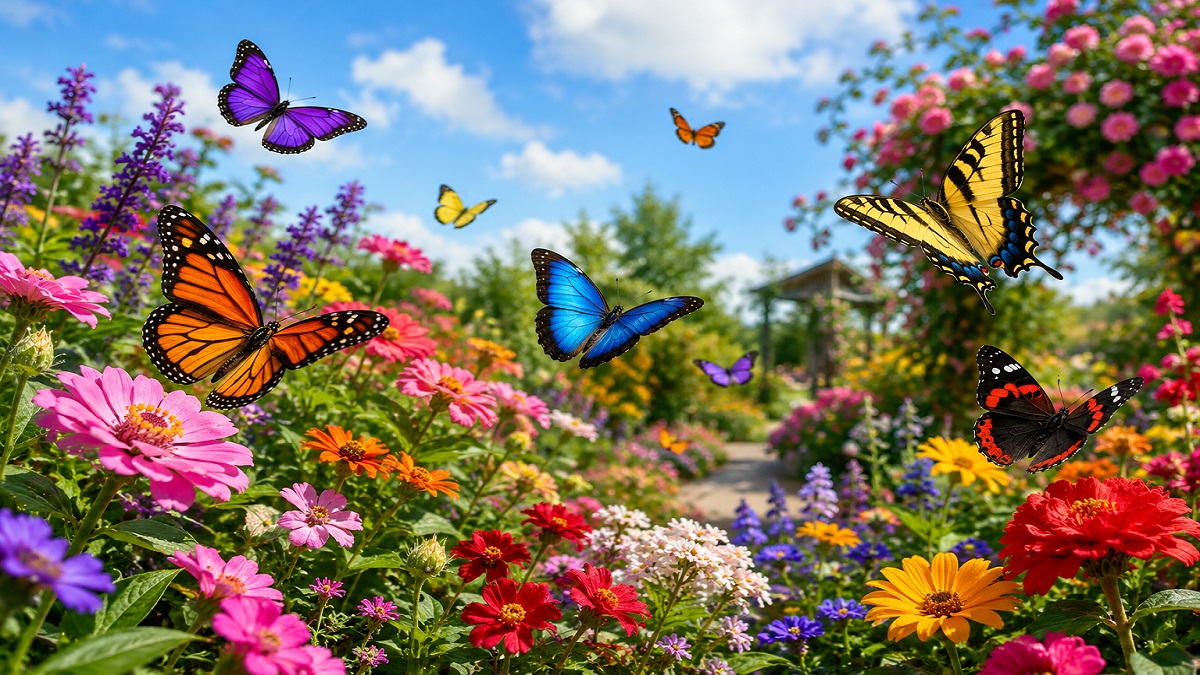
Butterflies are among the most beautiful and beneficial visitors a garden can attract. Their colorful wings, graceful flight patterns, and important role in pollination make them valuable members of a thriving outdoor ecosystem. Whether fluttering among flower beds or resting on sunny leaves, butterflies bring life, movement, and ecological balance to gardens of all sizes.
Many gardeners intentionally design spaces to encourage butterflies because these insects help pollinate flowers, support biodiversity, and indicate a healthy environment. Gardens rich in butterflies often contain a variety of flowering plants, native species, sheltering spaces, and pesticide-free habitats.
Creating a butterfly-friendly garden is rewarding for both beginners and experienced gardeners. By understanding butterfly behavior, food sources, and life cycles, you can transform an ordinary yard into a colorful sanctuary filled with pollinators throughout the growing season.
Why Butterflies Are Important in the Garden
Butterflies contribute to healthy ecosystems in several ways. While they are not as efficient as bees for pollination, they still transfer pollen between flowers while feeding on nectar. This helps flowering plants reproduce and supports overall biodiversity.
Butterflies also serve as environmental indicators. Their presence often suggests clean air, healthy soil, diverse plant life, and reduced pesticide use. A garden with butterflies usually supports birds, bees, ladybugs, and many other beneficial insects.
Benefits of Butterflies
- Help pollinate flowers and vegetables
- Increase biodiversity in the landscape
- Support food chains for birds and wildlife
- Add movement and visual beauty to gardens
- Encourage natural gardening practices
- Provide educational opportunities for children and families
Butterfly gardening also promotes conservation. Many butterfly species face habitat loss due to urban development, pollution, and pesticide exposure. Gardens that provide food and shelter can help local butterfly populations survive and thrive.
The Butterfly Life Cycle
Understanding the butterfly life cycle helps gardeners create habitats that support butterflies at every stage of development. Butterflies undergo complete metamorphosis, which includes four distinct stages.
1. Egg Stage
Female butterflies lay eggs on specific host plants. Different butterfly species choose different plants because caterpillars require particular leaves for food once they hatch.
2. Caterpillar Stage
Caterpillars are feeding machines that consume leaves rapidly as they grow. Although some gardeners worry about leaf damage, caterpillars are essential for producing adult butterflies.
3. Chrysalis Stage
Once fully grown, the caterpillar forms a chrysalis. Inside this protective shell, the insect transforms into a butterfly through metamorphosis.
4. Adult Butterfly Stage
Adult butterflies emerge from the chrysalis, dry their wings, and begin feeding on nectar. Their primary goals are feeding, mating, and laying eggs to continue the cycle.
Supporting every stage of the life cycle is key to building a truly butterfly-friendly garden.
Best Plants for Attracting Butterflies
Butterflies are highly attracted to nectar-rich flowers. Bright colors, fragrant blooms, and clustered flower shapes are especially effective. Plant diversity is important because different butterfly species prefer different nectar sources.
| Plant | Flower Color | Butterfly Attraction |
|---|---|---|
| Butterfly Bush | Purple, pink, white | Highly attractive nectar source |
| Milkweed | Orange, pink | Essential for monarch butterflies |
| Zinnias | Various bright colors | Long blooming nectar flowers |
| Lantana | Yellow, orange, red | Excellent for warm climates |
| Black-Eyed Susan | Yellow | Attracts many native butterflies |
| Verbena | Purple, pink | Popular nectar source |
Native plants are especially valuable because local butterflies evolved alongside them. Native species often provide better nutrition and habitat than exotic ornamentals.
Host Plants for Caterpillars
Nectar flowers attract adult butterflies, but host plants are equally important because they provide food for caterpillars. Without host plants, butterflies may visit briefly but will not reproduce in the garden.
Popular Butterfly Host Plants
- Milkweed for monarch butterflies
- Parsley and dill for swallowtail butterflies
- Passionflower vines for gulf fritillary butterflies
- Violets for fritillary species
- Oak and willow trees for many caterpillar species
Gardeners should expect some leaf damage on host plants. Caterpillars feeding on leaves is a positive sign that butterflies are successfully reproducing in the garden.
Creating a Butterfly Habitat
A successful butterfly garden includes more than flowers alone. Butterflies need warmth, shelter, moisture, and safe resting areas to survive and reproduce.
Provide Sunny Areas
Butterflies are cold-blooded insects that depend on sunlight to warm their bodies. Gardens with sunny open spaces are much more attractive to butterflies than heavily shaded areas.
Add Shelter
Shrubs, hedges, ornamental grasses, and trees help protect butterflies from wind and predators. Dense vegetation also provides nighttime resting areas.
Offer Water Sources
Butterflies drink from shallow puddles and damp soil. A shallow dish filled with wet sand or small stones can provide essential moisture.
Include Flat Stones
Butterflies enjoy basking in the sun on warm stones. Flat rocks placed in sunny spots create ideal resting areas.
Avoiding Harmful Pesticides
Pesticides are one of the biggest threats to butterflies and other pollinators. Many chemical sprays kill caterpillars, contaminate nectar, and harm beneficial insects.
Even products marketed as safe for gardens can negatively affect butterfly populations. Reducing or eliminating pesticide use is one of the best ways to protect pollinators.
Safer Gardening Practices
- Encourage natural predators instead of spraying chemicals
- Use hand-picking methods for pests when possible
- Plant diverse flowers to support beneficial insects
- Use compost and healthy soil practices to strengthen plants
- Avoid spraying during flowering periods
Organic gardening methods help create balanced ecosystems where butterflies and other beneficial insects can flourish naturally.
Butterflies Through the Seasons
Different butterfly species appear during different times of the year. A garden designed for butterflies should provide flowers from spring through autumn.
Spring
Early blooming flowers provide nectar for emerging butterflies after winter. Native wildflowers are especially helpful during this season.
Summer
Summer is peak butterfly season. Bright annuals and perennials provide abundant nectar while host plants support caterpillars.
Autumn
Late-season flowers help migrating butterflies gather energy before colder weather arrives. Fall-blooming asters and goldenrods are excellent choices.
Winter
Some butterflies overwinter in leaf litter, bark crevices, or protected vegetation. Leaving parts of the garden undisturbed during winter can help them survive.
Common Garden Butterflies
The butterfly species found in gardens vary by region, climate, and habitat. However, several popular butterflies are commonly seen in flower gardens.
| Butterfly | Appearance | Favorite Plants |
|---|---|---|
| Monarch | Orange and black wings | Milkweed, lantana |
| Swallowtail | Large yellow and black wings | Dill, parsley, zinnias |
| Painted Lady | Orange and brown patterns | Thistles, asters |
| Cabbage White | White wings with black spots | Mustard family plants |
| Red Admiral | Black wings with orange bands | Nettles, fruit trees |
Learning to identify local butterflies can make gardening more enjoyable and educational.
Butterfly Gardening for Families and Children
Butterfly gardens are excellent educational spaces for children. Watching caterpillars grow and transform into butterflies teaches valuable lessons about nature, biology, and environmental stewardship.
Children can help plant flowers, water gardens, observe insects, and record butterfly sightings. Butterfly habitats also encourage outdoor exploration and appreciation for wildlife.
Fun Activities
- Create butterfly observation journals
- Plant colorful nectar gardens
- Photograph visiting butterflies
- Learn butterfly species identification
- Build shallow butterfly water stations
Conclusion
Butterflies bring beauty, biodiversity, and ecological value to gardens. By planting nectar-rich flowers, providing host plants, avoiding pesticides, and creating welcoming habitats, gardeners can support healthy butterfly populations throughout the year.
A butterfly-friendly garden is more than a decorative landscape. It becomes a living ecosystem filled with pollinators, beneficial insects, birds, and thriving plant life. Even small gardens, balconies, and urban spaces can contribute to butterfly conservation when designed thoughtfully.
Whether you are growing wildflowers, vegetables, native plants, or ornamental borders, inviting butterflies into the garden creates a more vibrant and rewarding outdoor environment for both people and wildlife.