Best Flowers for Honey Bees: Create a Bee-Friendly Garden
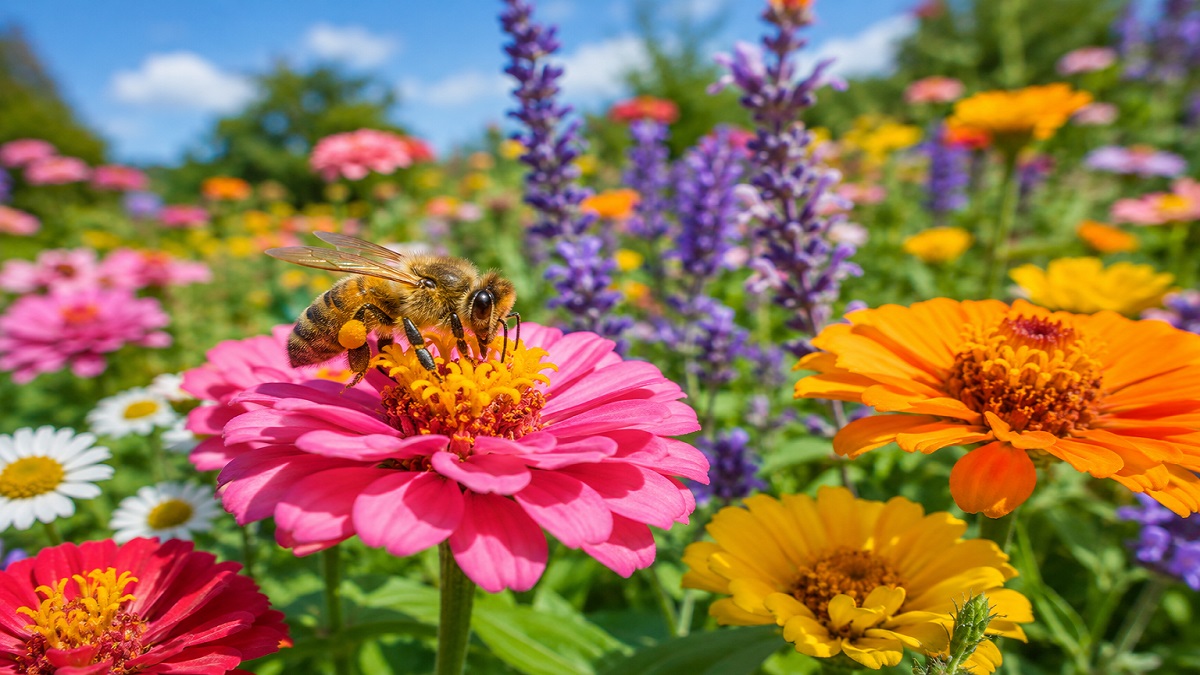
Honey bees play one of the most important roles in the natural world. These hardworking pollinators support home gardens, orchards, farms, and wild ecosystems by transferring pollen between flowers. Without bees, many fruits, vegetables, herbs, and flowering plants would struggle to reproduce. Because of habitat loss, pesticide exposure, and changing climates, gardeners everywhere are looking for ways to support bee populations naturally.
One of the easiest and most effective ways to help honey bees is by planting flowers rich in nectar and pollen. A bee-friendly garden not only supports pollinators but also adds vibrant color, fragrance, movement, and biodiversity to outdoor spaces. Whether you grow flowers in containers, raised beds, cottage gardens, or large landscapes, the right blooms can attract bees throughout the growing season.
In this guide, you will discover the best flowers for honey bees, seasonal planting ideas, tips for maintaining a pollinator garden, and practical advice for creating a healthy environment where bees can thrive year after year.
Why Honey Bees Need Flowering Plants
Honey bees rely on flowers for two major food sources: nectar and pollen. Nectar provides carbohydrates and energy, while pollen supplies protein, vitamins, minerals, and fats necessary for colony development. Worker bees collect these materials and carry them back to the hive to feed larvae and maintain the colony.
A healthy bee garden should provide:
- Continuous blooms from spring through autumn
- Diverse flower shapes and colors
- Plants rich in nectar and pollen
- Safe habitat free from harmful pesticides
- Fresh water sources nearby
Diversity is especially important. Planting many flower varieties ensures bees always have access to food during different seasons and weather conditions.
Characteristics of Bee-Friendly Flowers
Not every ornamental flower benefits pollinators equally. Some highly hybridized flowers contain little nectar or have petals that make feeding difficult. The best flowers for honey bees typically share several important traits.
Open Flower Shapes
Single-petal blooms allow easy access to pollen and nectar. Flowers with dense or double petals may block pollinators from reaching food sources.
Strong Fragrance
Bees are attracted to sweet floral scents. Aromatic flowers help pollinators locate nectar-rich plants from a distance.
Bright Colors
Honey bees are naturally drawn to blue, purple, white, and yellow flowers. Large clusters of colorful blooms can quickly attract pollinator activity.
Long Blooming Period
Flowers that bloom for weeks or months provide a reliable food source during the growing season.
Native Adaptation
Native plants often support local bee populations better than exotic ornamental varieties because they evolved together in the same ecosystem.
Top Flowers for Honey Bees
Many flowers attract pollinators, but certain plants consistently rank among the best nectar and pollen producers for honey bees.
Lavender
Lavender is one of the most famous bee-friendly flowers. Its fragrant purple blooms produce abundant nectar and bloom for long periods during summer. Bees are especially attracted to large lavender plantings where they can feed efficiently.
- Prefers full sun
- Tolerates drought once established
- Excellent for borders and herb gardens
Sunflowers
Sunflowers provide pollen and nectar while adding dramatic height and color to gardens. Single-flowered varieties are best for bees because pollen remains accessible.
- Easy to grow from seed
- Great for vegetable gardens
- Supports birds later in the season
Bee Balm
Bee balm produces bright tubular flowers in red, pink, and purple shades. It attracts honey bees, butterflies, and hummingbirds alike.
- Thrives in sunny locations
- Prefers moist soil
- Excellent for cottage gardens
Cosmos
Cosmos bloom continuously from summer until frost. Their open flower centers make nectar easy for bees to access.
- Low maintenance annual flower
- Ideal for beginner gardeners
- Excellent in pollinator borders
Zinnias
Zinnias produce masses of colorful blooms throughout summer. Single-flowered varieties are especially valuable for pollinators.
- Heat tolerant
- Perfect for cutting gardens
- Available in many colors and sizes
Borage
Borage is famous among beekeepers because it continually replenishes nectar. Bees often visit borage flowers throughout the day.
- Produces edible blue flowers
- Self-seeds easily
- Improves pollination near vegetables
Black-Eyed Susan
These cheerful yellow flowers support bees and native pollinators during summer and early autumn.
- Very hardy perennial
- Handles drought well
- Great for naturalized gardens
Salvia
Salvias provide nectar-rich tubular flowers over long periods. Their vibrant purple and blue tones strongly attract bees.
- Long flowering season
- Thrives in hot weather
- Excellent for borders and containers
Best Seasonal Flowers for Bees
Creating a successful bee garden means providing blooms during every season. Different flowers peak at different times of year, ensuring continuous food availability.
| Season | Recommended Flowers | Benefits |
|---|---|---|
| Spring | Crocus, Alyssum, Lavender, Catmint | Early nectar for emerging bees |
| Summer | Sunflowers, Zinnias, Cosmos, Bee Balm | Peak nectar and pollen production |
| Autumn | Asters, Goldenrod, Sedum | Late-season energy before winter |
By mixing spring, summer, and autumn bloomers together, gardeners can create a continuous pollinator buffet throughout the year.
Native Flowers That Support Honey Bees
Native plants are often the best long-term investment for pollinator gardens. These flowers are naturally adapted to local climates, rainfall, soil conditions, and insect populations.
Native flowers typically:
- Require less maintenance
- Need less water once established
- Support local biodiversity
- Provide reliable nectar sources
Examples of popular native bee plants include coneflowers, blanket flowers, milkweed, wild bergamot, asters, goldenrod, and native sunflowers.
When possible, choose untreated native plants from local nurseries to avoid pesticide contamination.
How to Design a Bee-Friendly Flower Garden
Plant in Clusters
Bees prefer large patches of the same flower because they can gather nectar efficiently without traveling far between plants.
Use a Variety of Heights
Combine tall flowers, medium shrubs, and low-growing blooms to create layered habitats and visual interest.
Choose Sunny Locations
Most bee-friendly flowers thrive in full sun, where nectar production is strongest.
Avoid Pesticides
Chemical insecticides can seriously harm pollinators. Use natural pest management methods whenever possible.
Add Water Sources
Shallow dishes filled with water and small stones give bees a safe place to drink.
Leave Some Wild Areas
Untidy corners, flowering weeds, and natural habitats can provide shelter and nesting opportunities for pollinators.
Container Flowers for Honey Bees
Even gardeners with limited space can support honey bees. Balconies, patios, and small courtyards can become valuable pollinator habitats with the right flowers.
Excellent container plants for bees include:
- Lavender
- Salvia
- Marigolds
- Cosmos
- Zinnias
- Thyme
- Basil
Use deep containers with good drainage and place them in sunny positions for maximum flowering and bee activity.
Herbs That Honey Bees Love
Flowering herbs are among the best nectar sources for pollinators. Allowing herbs to bloom naturally can dramatically increase bee visits in the garden.
Thyme
Tiny flowers attract many pollinators while adding fragrance to pathways and borders.
Mint
Mint flowers provide excellent nectar but can spread aggressively, so containers are often recommended.
Oregano
Bees flock to oregano flowers during summer, making it one of the best herb garden pollinator plants.
Basil
Letting basil flower late in the season helps support bees while still producing aromatic foliage for cooking.
Common Mistakes in Pollinator Gardening
Using Too Many Double Flowers
Highly decorative flowers may look attractive but often provide little nectar or inaccessible pollen.
Planting Only One Season of Blooms
Gardens with only spring or summer flowers leave bees without food during other parts of the year.
Overusing Chemicals
Even small amounts of pesticide residue can harm pollinators and contaminate nectar.
Ignoring Native Species
Exotic ornamental plants alone may not fully support local pollinator ecosystems.
Removing All Wildflowers
Dandelions, clover, and flowering weeds can provide valuable early nectar sources.
Benefits of Attracting Honey Bees to Your Garden
A thriving pollinator garden offers far more than visual beauty. Honey bees improve fruit set, increase vegetable yields, and encourage biodiversity across the landscape.
- Improved pollination for vegetables and fruit trees
- More productive harvests
- Greater biodiversity and ecosystem balance
- Enhanced garden beauty and movement
- Support for declining pollinator populations
Watching bees move from flower to flower creates a calming and rewarding gardening experience that connects people more closely with nature.
Frequently Asked Questions
Final Thoughts
Creating a garden filled with bee-friendly flowers is one of the most rewarding ways to support nature while improving your outdoor space. Whether you grow lavender in containers, plant a meadow of wildflowers, or add sunflowers beside your vegetables, every flower contributes to healthier pollinator populations.
The best gardens for honey bees combine seasonal blooms, native plants, natural gardening methods, and a diversity of nectar-rich flowers. Over time, these landscapes become vibrant ecosystems full of buzzing life, healthy harvests, and colorful beauty.
By planting for pollinators today, gardeners help create a healthier environment for future generations while enjoying a more productive and lively garden season after season.