Perennials Gardening Guide: Long-Lasting Beauty for Every Garden
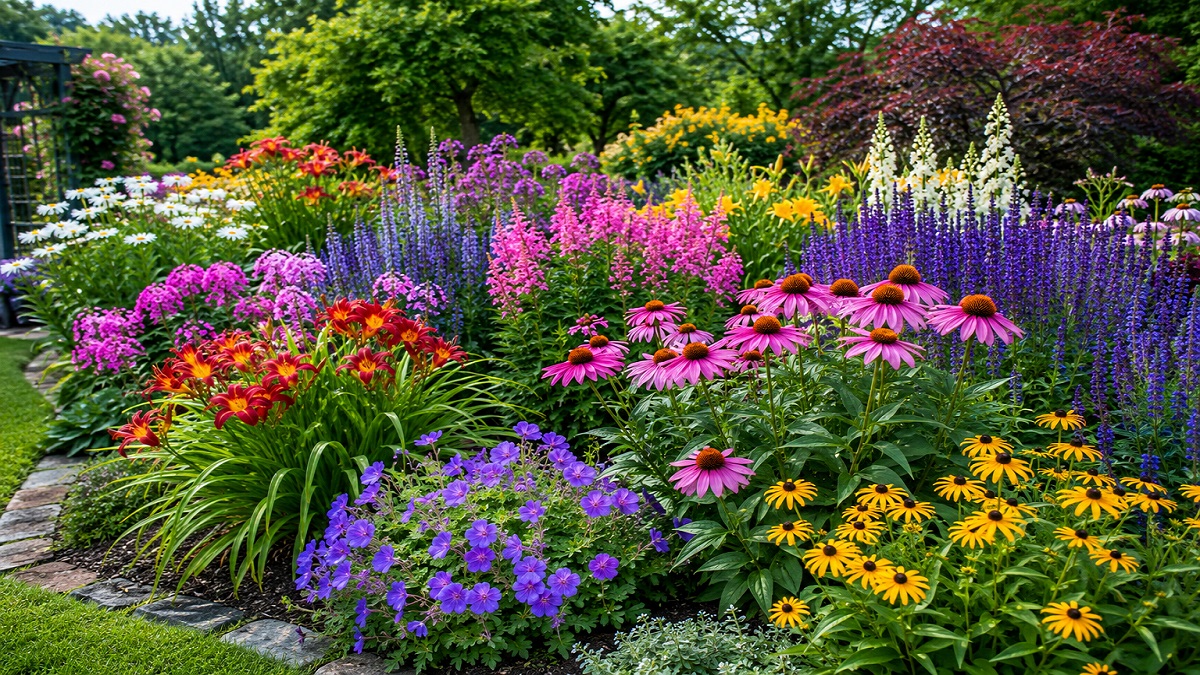
Perennials are among the most rewarding plants for home gardeners. Unlike annuals that complete their life cycle in one season, perennial plants return year after year, offering reliable color, texture, and structure in gardens with less replanting effort. From vibrant flowering borders to low-maintenance landscape beds, perennials provide beauty and value for every gardening style.
Whether you are a beginner gardener building your first flower bed or an experienced landscaper creating a layered outdoor design, understanding how perennial plants grow and thrive can transform your gardening success. Many gardeners love perennials because they become stronger and fuller over time, often requiring less watering and maintenance after establishment.
This detailed guide explains everything you need to know about perennial gardening, including plant selection, seasonal care, soil preparation, maintenance, landscaping ideas, and the best perennial flowers for different growing conditions.
What Are Perennials?
Perennials are plants that live for more than two years. Most perennial flowers and foliage plants die back during winter and regrow from their roots when temperatures warm in spring. Unlike annuals, which must be replanted every year, perennials establish long-term root systems that continue producing growth season after season.
Perennials can be herbaceous or evergreen. Herbaceous perennials lose their above-ground growth during cold weather and return in spring, while evergreen perennials maintain foliage throughout the year in suitable climates.
Benefits of Growing Perennials
- Long-lasting garden value
- Lower yearly planting costs
- Reduced maintenance after establishment
- Improved pollinator support
- Seasonal color and texture variety
- Better drought tolerance in many species
- Excellent soil stabilization
Many perennial plants also attract bees, butterflies, and beneficial insects, making them valuable additions to eco-friendly and wildlife gardens.
Difference Between Annuals and Perennials
Gardeners often combine annual and perennial plants together, but understanding the differences helps when planning flower beds and landscapes.
| Feature | Perennials | Annuals |
|---|---|---|
| Lifespan | Multiple years | One growing season |
| Replanting | Usually unnecessary | Required yearly |
| Maintenance | Lower long-term care | Frequent replacement |
| Bloom Duration | Seasonal cycles | Long continuous blooms |
| Cost Over Time | More economical | Higher recurring cost |
| Root System | Deep and established | Short-lived |
Many gardeners use annuals for instant seasonal color while relying on perennials for structure and long-term landscape design.
Popular Types of Perennials
There are thousands of perennial plant varieties available for different climates, light conditions, and garden styles. Some are grown for colorful flowers, while others are prized for attractive foliage or fragrance.
Flowering Perennials
- Lavender
- Coneflower
- Black-eyed Susan
- Daylily
- Peony
- Shasta Daisy
- Coreopsis
- Bee Balm
Shade-Loving Perennials
- Hosta
- Astilbe
- Ferns
- Heuchera
- Bleeding Heart
Drought-Tolerant Perennials
- Yarrow
- Russian Sage
- Sedum
- Salvia
- Blanket Flower
Evergreen Perennials
- Liriope
- Hellebore
- Creeping Thyme
- Candytuft
Choosing the Right Perennials for Your Garden
Selecting the right perennial plants depends on several environmental factors. Choosing suitable plants improves survival rates, bloom performance, and overall garden appearance.
Sunlight Requirements
Most flowering perennials prefer full sun, which means at least six hours of direct sunlight daily. Shade-loving varieties grow better under trees, beside fences, or in north-facing garden areas.
Climate and Hardiness Zones
Always check plant hardiness recommendations before purchasing perennials. Some plants tolerate frost and freezing winters, while others thrive in warm tropical climates.
Soil Conditions
Different perennials have unique soil preferences. Lavender and salvia enjoy well-draining sandy soil, while moisture-loving plants such as astilbe prefer rich, damp conditions.
Garden Purpose
Think about how you want the garden to function. Perennials can be used for:
- Border gardens
- Pollinator gardens
- Rock gardens
- Ground cover
- Cottage gardens
- Low-maintenance landscaping
- Cut flower gardens
How to Plant Perennials
Proper planting techniques help perennial plants establish strong root systems and improve long-term health.
Prepare the Soil
Loosen soil to improve drainage and root growth. Add compost or organic matter to enrich nutrients and improve soil structure.
Spacing Matters
Avoid overcrowding perennial plants. Although young plants may appear small initially, many spread and expand significantly after several growing seasons.
Planting Depth
Place plants at the same depth they were growing in nursery containers. Planting too deeply may encourage root rot and poor growth.
Water Thoroughly
Water deeply after planting to eliminate air pockets and encourage root establishment. Newly planted perennials require regular watering during their first growing season.
Seasonal Care for Perennials
Spring Care
Spring is the main growth period for many perennial plants. Remove winter mulch, trim dead foliage, divide crowded plants, and apply compost or slow-release fertilizer.
Summer Maintenance
During summer, monitor watering needs and remove spent flowers through deadheading. Deadheading encourages additional blooms and improves appearance.
Fall Preparation
Autumn is ideal for planting many perennials because cooler temperatures reduce transplant stress. Cut back diseased foliage and apply mulch to protect roots before winter.
Winter Protection
Cold-climate gardens benefit from insulating mulch around perennial crowns. Avoid excessive winter moisture that can damage dormant roots.
Best Perennials for Beginners
Some perennial plants are especially easy to grow and forgiving for new gardeners.
| Plant | Sun Requirement | Difficulty | Main Benefit |
|---|---|---|---|
| Daylily | Full Sun | Easy | Reliable blooms |
| Hosta | Shade | Easy | Decorative foliage |
| Coneflower | Full Sun | Easy | Pollinator attraction |
| Lavender | Full Sun | Moderate | Fragrance |
| Black-eyed Susan | Full Sun | Easy | Long flowering season |
These beginner-friendly perennials tolerate a range of conditions and require minimal maintenance once established.
Perennial Garden Design Ideas
Layered Flower Beds
Place taller perennial plants at the back of borders, medium-height flowers in the center, and shorter edging plants near pathways for balanced visual depth.
Pollinator Gardens
Mix flowering perennials with different bloom times to provide continuous nectar for bees and butterflies throughout the growing season.
Color-Themed Gardens
Choose flowers within a specific color palette such as purple, white, or pastel tones for a cohesive landscape appearance.
Four-Season Interest
Combine spring bloomers, summer flowers, fall foliage plants, and evergreen perennials to maintain year-round garden beauty.
Common Problems With Perennials
Overwatering
Too much moisture causes root rot and fungal diseases. Always check soil drainage before planting.
Poor Blooming
Insufficient sunlight and excessive fertilizer can reduce flower production. Many flowering perennials bloom best in full sun.
Pest Damage
Slugs, aphids, and spider mites occasionally attack perennial plants. Organic pest management methods and healthy garden ecosystems help reduce infestations.
Crowding
Many perennials spread over time and require division every few years to maintain vigor and prevent overcrowding.
Dividing Perennials
Division is an important maintenance task for many perennial plants. Dividing helps rejuvenate overcrowded clumps and creates new plants for other garden areas.
When to Divide
- Reduced flowering
- Dead centers in plant clumps
- Overcrowded roots
- Plants spreading beyond intended space
How to Divide
Dig up the plant carefully and separate sections with healthy roots and shoots. Replant divisions immediately and water thoroughly.
Spring and early fall are usually the best times for dividing most perennial plants.
Low-Maintenance Perennial Gardening Tips
- Choose native perennial plants when possible
- Use mulch to reduce weeds and moisture loss
- Group plants with similar watering needs
- Install drip irrigation for efficient watering
- Select disease-resistant varieties
- Avoid excessive fertilization
- Plant densely to suppress weeds naturally
Once established, many perennial gardens require far less maintenance than annual flower beds while still providing impressive seasonal displays.
Why Perennials Are Worth Growing
Perennials offer long-term beauty, reliable performance, and ecological benefits that make them essential for sustainable gardening. Their ability to return year after year reduces planting costs and labor while creating mature, layered landscapes filled with seasonal color and texture.
Whether you prefer colorful cottage gardens, pollinator-friendly landscapes, or modern low-maintenance designs, perennial plants provide endless opportunities for creativity and enjoyment. By selecting suitable plants and following proper care practices, gardeners can enjoy thriving perennial gardens for decades.
A thoughtfully designed perennial garden evolves beautifully over time, rewarding patience with stronger blooms, healthier plants, and a vibrant outdoor environment that changes with each season.