Growing & Caring for Banana Tree (Complete Plant Guide)
About Banana Tree Plant
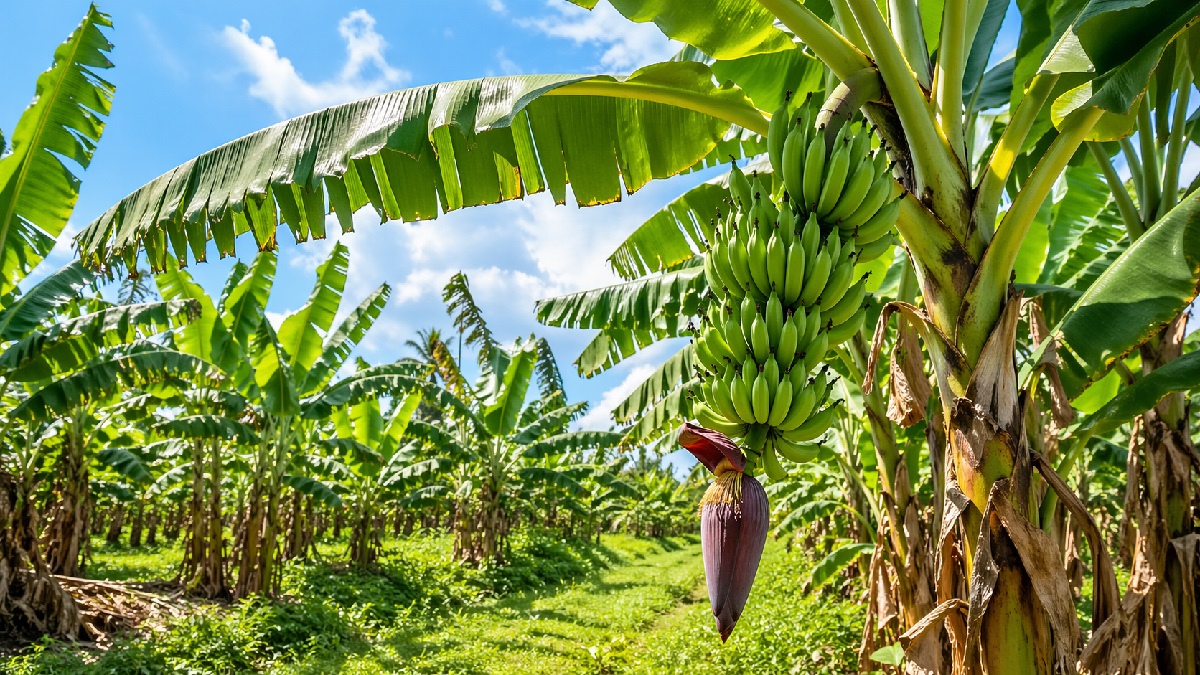
The banana tree, scientifically known as Musa spp., is one of the most widely cultivated and recognizable tropical plants in the world. Despite being called a tree, it is actually a large herbaceous plant with a soft, non-woody stem known as a pseudostem. This pseudostem is formed by tightly packed leaf bases, giving the plant its tall, tree-like appearance.
Banana plants thrive in warm, humid climates and are commonly grown in regions across Asia, Africa, and South America. They require plenty of sunlight, well-draining soil, and consistent watering to grow successfully. Under ideal conditions, a banana plant can reach heights of 10 to 25 feet and produce fruit within 9 to 12 months after planting.
The leaves of the banana plant are broad, vibrant green, and can grow several feet long, creating a lush, tropical look. The fruit grows in clusters called hands, which together form a bunch. Bananas are rich in essential nutrients like potassium, vitamin B6, and dietary fiber, making them a healthy and popular food worldwide.
Caring for a Banana plant is simple when its tropical needs are met: provide full sunlight for at least 6–8 hours daily, plant it in rich, well-draining soil, and keep the soil consistently moist but not waterlogged by watering regularly, especially in hot weather. Feed the plant every few weeks with a balanced or potassium-rich fertilizer to support healthy leaf and fruit development. Protect it from strong winds, as the large leaves can tear easily, and maintain warm temperatures since bananas do not tolerate frost. Remove dry or damaged leaves and trim excess suckers, keeping only a few strong ones for better growth. Mulching helps retain moisture and improve soil fertility, ensuring the plant grows vigorously and produces good-quality fruit.
For healthy growth, the Banana plant needs bright, direct sunlight for at least 6–8 hours a day. It thrives best in full sun, which promotes strong leaf development and better fruit production. While it can tolerate partial shade, insufficient light often leads to slower growth, smaller leaves, and poor or no fruiting. In extremely hot regions, a little afternoon shade can help prevent leaf scorch, but overall, maximum sunlight is ideal for vigorous growth.
The Banana plant grows best in rich, well-draining soil that is high in organic matter. A loamy soil with good moisture retention and proper drainage is ideal, as banana roots need consistent moisture but cannot tolerate waterlogging. The preferred soil pH is slightly acidic to neutral, around 5.5 to 7.0. Mixing compost or well-rotted manure into the soil improves fertility and structure, helping the plant develop strong roots and produce healthy foliage and fruit. Avoid heavy clay soils that retain excess water, as they can lead to root rot and poor growth.
The Banana plant requires regular and consistent watering to thrive, as it prefers moist soil at all times. Water deeply to keep the root zone evenly hydrated, especially during hot or dry weather, but avoid waterlogging since standing water can cause root rot. It’s best to water when the top layer of soil begins to feel slightly dry, ensuring good drainage so excess water can escape easily. Mulching around the base helps retain moisture and reduces the need for frequent watering, supporting healthy and vigorous growth.
The Banana plant thrives in warm, tropical conditions with ideal temperatures between 20°C and 35°C. It grows best in consistently warm weather and can suffer damage if temperatures drop below 10°C, with frost being particularly harmful. High humidity levels are essential for lush growth, as banana plants prefer a humid environment similar to their natural habitat. In dry conditions, the leaves may brown or tear more easily, so maintaining adequate moisture in the air—through regular watering or occasional misting—helps keep the plant healthy and vigorous.
The Banana plant is a heavy feeder and requires regular fertilization for vigorous growth and good fruit production. Use a balanced fertilizer or one high in potassium every 2–4 weeks during the growing season to support strong roots, large leaves, and healthy fruit development. Organic options like compost, well-rotted manure, or vermicompost also work well to enrich the soil naturally. Applying fertilizer evenly around the base and watering afterward helps nutrients absorb effectively. Reducing feeding during cooler months allows the plant to rest while maintaining steady overall health.
Pruning the Banana plant is mainly about keeping it healthy and directing its energy efficiently. Remove dry, damaged, or yellowing leaves regularly to improve air circulation and reduce the risk of pests and diseases. After the plant produces fruit, cut down the main stem (pseudostem) as it will not fruit again, allowing new shoots (suckers) to take over. Keep only 1–2 strong suckers and remove the rest to prevent overcrowding and ensure better growth and fruiting in the next cycle.
The Banana plant is commonly propagated through suckers (also called pups) that grow from the base of the parent plant. Choose a healthy, well-developed sucker about 1–3 feet tall with its own roots, and carefully separate it from the main plant using a clean, sharp tool. Plant the sucker in nutrient-rich, well-draining soil and water it thoroughly to help it establish. Keep the soil consistently moist and place it in a warm, sunny location for best growth. This method is the easiest and most reliable way to grow new banana plants, as they quickly adapt and continue the natural growth cycle.
Growing a Banana plant from seed is less common (most edible bananas are grown from suckers), but it is possible with ornamental or wild varieties. Start by soaking the seeds in warm water for 24–48 hours to soften the hard outer coat. Sow the seeds in a well-draining soil mix, such as a blend of sand and compost, and plant them about 1–2 cm deep. Keep the soil consistently moist but not soggy, and maintain warm temperatures between 25°C and 30°C for successful germination. Place the container in a bright location with indirect sunlight. Germination can be slow and irregular, sometimes taking a few weeks to several months. Once seedlings emerge and grow strong enough, they can be transplanted into larger pots or directly into the ground under full sun conditions.
Potting and repotting a Banana plant is important for healthy root growth and overall vigor. Start with a large pot that has good drainage holes, as banana plants grow quickly and develop extensive root systems. Use a rich, well-draining potting mix enhanced with compost or organic matter. As the plant grows, repot it into a larger container every 1–2 years or when roots begin to outgrow the pot. Gently remove the plant, loosen compacted roots, and place it in fresh soil at the same depth as before. Water thoroughly after repotting and keep the plant in a warm, bright location to help it adjust and continue growing strongly.
Overwintering a Banana plant is mainly about protecting it from cold temperatures, as it thrives in warmth and cannot tolerate frost. In cooler regions, move potted plants indoors to a bright, warm spot before temperatures drop below 10°C. Reduce watering slightly during winter, keeping the soil just lightly moist rather than wet, as growth slows down. For outdoor plants, cut back damaged leaves and heavily mulch around the base to insulate the roots. In very cold climates, the pseudostem can be wrapped with insulating material or cut back, allowing the plant to regrow from the base when warmer weather returns.
The Banana plant blooms naturally when it reaches maturity, but proper care is essential to encourage flowering. Ensure the plant receives full sunlight for at least 6–8 hours daily, along with consistent watering and well-draining, nutrient-rich soil. Regular feeding with a potassium-rich fertilizer supports flower and fruit development. Maintain warm temperatures and high humidity, as stress from cold or dryness can delay blooming. Also, avoid overcrowding by keeping only a few healthy suckers so the plant can focus its energy on producing a flower stalk. With ideal conditions, the plant typically blooms within 9–12 months, producing a large central flower that eventually develops into fruit.
The Banana plant can face several pests and diseases if not properly maintained. Common pests include aphids, spider mites, and mealybugs, which suck sap from leaves and weaken the plant; these can be controlled with neem oil or mild insecticidal soap. Fungal diseases such as leaf spot and Panama disease may cause yellowing, wilting, or dark spots on leaves, often due to excess moisture or poor air circulation. Root rot is another common issue caused by waterlogged soil. Other problems include torn leaves from strong winds, slow growth due to nutrient deficiency, and poor fruiting from lack of sunlight. Regular inspection, proper watering, good drainage, and maintaining clean growing conditions help prevent most of these issues and keep the plant healthy.
Related Guides
Banana Tree FAQs
How long does it take for a banana tree to grow and produce fruit?
A banana tree typically takes about 9 to 12 months to produce fruit under ideal growing conditions. Warm temperatures, full sunlight, proper watering, and regular fertilization help speed up growth and fruiting.
Can banana trees grow in pots?
Yes, banana trees can grow in pots if provided with a large container, rich well-draining soil, and plenty of sunlight. Dwarf varieties are especially suitable for container gardening and indoor growing.
How often should I water a banana plant?
Banana plants need consistent moisture, so they should be watered regularly to keep the soil evenly moist. During hot weather, watering may be needed daily, but avoid waterlogging to prevent root rot.
Do banana trees need full sunlight?
Yes, banana trees grow best in full sunlight, requiring at least 6–8 hours of direct sun daily. Adequate sunlight ensures strong growth, larger leaves, and better fruit production.
Why are my banana plant leaves turning yellow?
Yellowing leaves can be caused by overwatering, poor drainage, nutrient deficiencies, or natural aging. Ensure proper watering, use well-draining soil, and provide balanced fertilizer to keep the plant healthy.
How do you propagate a banana tree?
Banana trees are commonly propagated using suckers (pups) that grow at the base of the plant. Select a healthy sucker with roots, separate it carefully, and plant it in nutrient-rich soil for best results.
Can banana trees survive winter?
Banana trees are sensitive to cold and cannot tolerate frost. In cooler climates, they should be moved indoors or protected with mulch and insulation to survive winter conditions.
What is the best fertilizer for banana plants?
Banana plants benefit from a balanced or potassium-rich fertilizer applied every 2–4 weeks during the growing season. Organic options like compost or manure also help improve soil fertility and plant health.