Growing & Caring for Banana Yucca (Yucca baccata)
About Banana Yucca Plant
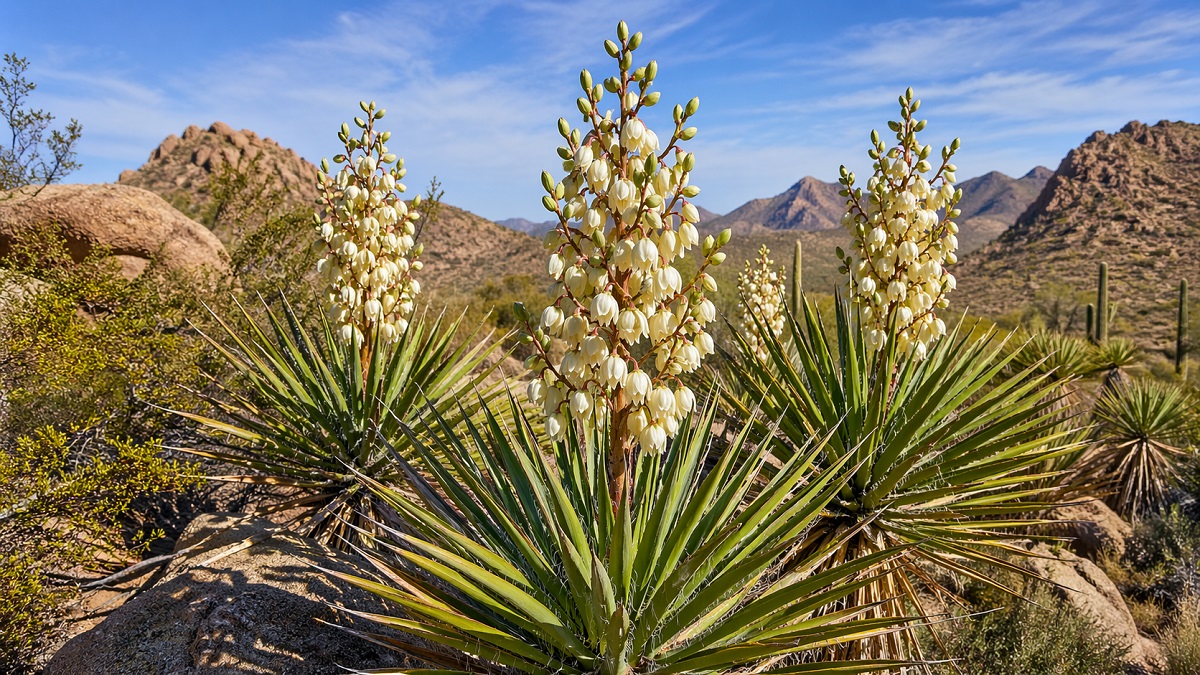
Banana Yucca (Yucca baccata) is a striking desert plant known for its rugged beauty and adaptability to harsh, arid environments. Native to the southwestern United States and northern Mexico, it features thick, sword-shaped leaves arranged in a rosette form. These leaves are tough and fibrous, often with curled threads along the edges, helping the plant conserve water and survive in dry, rocky soils. Its resilience and sculptural appearance make it a popular choice for xeriscaping and desert-themed gardens.
One of the most distinctive features of Banana Yucca is its tall flowering stalk, which can rise several feet above the plant and produce clusters of creamy white, bell-shaped flowers. These blooms not only add visual interest but also attract pollinators like moths and bees. After flowering, the plant produces large, fleshy fruits that resemble small bananas—hence its common name. These fruits are edible and have been traditionally used by Indigenous peoples for food, either eaten fresh or dried.
Beyond its ornamental appeal, Banana Yucca has practical uses rooted in history. The plant’s fibers have been used to make ropes, sandals, and baskets, while its roots were traditionally processed into soap due to their natural saponin content. Today, it continues to be valued for its low maintenance needs, drought tolerance, and unique aesthetic, making it a standout addition to both natural landscapes and modern garden designs.
Yucca baccata is a low-maintenance plant that thrives in full sun and well-draining soil. It needs at least 6–8 hours of direct sunlight daily and grows best in sandy or cactus-type soil that prevents water from sitting around the roots. Proper drainage is essential, as excess moisture can cause root rot.
Water sparingly, allowing the soil to dry out completely between watering. This plant is highly drought-tolerant, so it’s better to underwater than overwater. Occasional feeding in spring can help, but it’s not necessary. With minimal care, including removing dead leaves and ensuring good airflow, Banana Yucca remains a hardy and attractive addition to dry gardens or indoor spaces.
Yucca baccata thrives in full sunlight and performs best when it receives at least 6–8 hours of direct sun each day. Outdoors, it should be planted in an open, sunny location where it can get maximum exposure. Indoors, place it near a bright south- or west-facing window to ensure it gets enough light. While it can tolerate partial shade, insufficient light may lead to slower growth and weaker, less compact leaves. For healthy development and strong structure, consistent bright light is essential, making it ideal for sunny gardens and well-lit indoor spaces.
Yucca baccata needs well-draining, sandy or gritty soil to thrive. It naturally grows in desert regions, so the soil should not retain excess moisture. A cactus or succulent potting mix works best, or you can improve regular garden soil by mixing in sand, gravel, or perlite to enhance drainage. Avoid heavy clay or waterlogged soils, as they can lead to root rot. Slightly alkaline to neutral soil pH is ideal, but the plant is quite adaptable as long as drainage is excellent. Ensuring loose, airy soil will keep the roots healthy and support strong growth.
Yucca baccata requires infrequent, deep watering. Allow the soil to dry out completely between watering sessions, as this plant is highly drought-tolerant and sensitive to overwatering. In warm months, watering every 2–3 weeks is usually enough, while in cooler seasons, it may need even less. Always ensure excess water drains away easily, especially in pots. Overwatering can quickly lead to root rot, so it’s safer to underwater than to keep the soil consistently moist. A dry, well-aerated environment helps the plant stay healthy and strong.
Yucca baccata thrives in warm, dry climates and can tolerate a wide range of temperatures. It grows best between 20–35°C, but it is also surprisingly cold-hardy and can withstand brief drops near freezing. In extremely cold conditions, some protection (like covering or moving potted plants indoors) may help prevent damage.
Humidity is not a concern for this plant—it prefers low humidity and dry air, similar to its natural desert habitat. High humidity can increase the risk of fungal issues, so good airflow and a dry environment are ideal for keeping the plant healthy.
Yucca baccata does not require heavy feeding and generally thrives in nutrient-poor soils. You can apply a balanced, diluted fertilizer once in spring to support healthy growth, but frequent fertilizing is unnecessary. For potted plants, a light feeding once or twice during the growing season is sufficient. Avoid over-fertilizing, as it can lead to weak, leggy growth and reduce the plant’s natural hardiness. In most cases, Banana Yucca will grow well with minimal or no fertilizer, making it an easy-care choice for low-maintenance gardens.
Yucca baccata requires very little pruning. Simply remove dead, damaged, or dried leaves from the base to keep the plant tidy and healthy. You can also cut back the flower stalk after blooming if you don’t want the plant to put energy into seed production. Be careful when handling the plant, as its leaves have sharp tips and edges. Use gloves and clean, sharp tools for safe pruning. Regular light maintenance is enough to keep Banana Yucca looking neat and thriving.
Yucca baccata can be propagated mainly through seeds or offsets (pups). The easiest method is by separating small offshoots that grow around the base of a mature plant. Gently remove a pup with some roots attached, let it dry for a day or two, then plant it in well-draining soil. Water lightly until it establishes, then follow normal watering practices.
Propagation from seeds is also possible but slower. Sow seeds in sandy, well-draining soil and keep them in a warm, bright location. Germination can take time, so patience is key. Offset propagation is generally preferred for quicker and more reliable results.
Growing Yucca baccata from seed takes patience, but it’s rewarding. Start by soaking the seeds in warm water for 24 hours to soften the hard outer coating and improve germination. Then sow them in a well-draining mix such as cactus soil combined with sand or perlite. Plant the seeds about 1–2 cm deep and keep the soil lightly moist—not wet.
Place the container in a warm, bright location (around 20–30°C). Germination can take anywhere from a few weeks to a couple of months, so don’t worry if it’s slow. Once seedlings appear, give them plenty of light and allow the soil to dry slightly between watering. As they grow stronger, gradually reduce watering and treat them like mature plants, ensuring good drainage and lots of sunlight.
Yucca baccata grows best in pots with excellent drainage. Choose a container with drainage holes and use a sandy, well-draining mix such as cactus or succulent soil. A slightly heavy pot (like terracotta) works well, as it helps prevent the plant from tipping over and allows excess moisture to evaporate more easily.
Repotting is only needed every 2–3 years or when the plant becomes root-bound. When repotting, move it to a slightly larger pot, refresh the soil, and avoid watering immediately—wait a few days to let any disturbed roots heal. Since Banana Yucca prefers being slightly root-bound, avoid overly large pots, as they can retain too much moisture and lead to root problems.
Yucca baccata is quite hardy, but winter care depends on how cold your area gets. In mild climates, it can stay outdoors year-round with little protection. In colder regions, especially where temperatures drop below freezing for long periods, it’s best to move potted plants indoors or place them in a sheltered spot.
During winter, reduce watering significantly and keep the soil mostly dry, as the plant enters a semi-dormant state. Ensure it still receives plenty of light, ideally near a bright window if kept indoors. Avoid high humidity and protect it from frost or prolonged wet conditions to prevent root damage.
Getting Yucca baccata to bloom requires the right conditions and a bit of patience, as the plant typically flowers only when mature. The most important factor is full sunlight—it needs at least 6–8 hours of direct sun daily. Insufficient light is one of the main reasons it fails to bloom. Also, ensure it’s planted in well-draining soil and not overwatered, as too much moisture can reduce flowering.
A period of natural seasonal change also helps trigger blooming. Allow the plant to experience cooler temperatures in winter and resume normal care in spring. Avoid excessive fertilizing, especially high-nitrogen fertilizers, as they promote leaf growth over flowers. Once mature and grown in the right conditions, Banana Yucca will produce a tall flower stalk with clusters of creamy white blooms.
Yucca baccata is generally tough and pest-resistant, but it can occasionally face issues like mealybugs, scale insects, and spider mites, especially when grown indoors. These pests feed on plant sap, causing yellowing or weak growth. You can manage them by wiping leaves with a damp cloth, using insecticidal soap, or applying neem oil.
The most common disease problem is root rot, usually caused by overwatering or poorly draining soil. Signs include soft, mushy roots and yellowing leaves. Fungal issues may also appear in humid or poorly ventilated conditions. To prevent problems, always use well-draining soil, avoid excess watering, and ensure good airflow. Browning leaf tips can occur due to stress, such as sudden temperature changes or overwatering, but overall, this plant remains low-maintenance and resilient.
Related Guides
Banana Yucca FAQs
Is Banana Yucca easy to grow?
Yes, Banana Yucca is very easy to grow, especially in sunny and dry conditions. It requires minimal watering, well-draining soil, and plenty of sunlight, making it ideal for beginners and low-maintenance gardens.
How often should I water Banana Yucca?
Water sparingly, allowing the soil to dry out completely between watering. In most cases, watering every 2–3 weeks is sufficient, and even less during winter months.
Can Banana Yucca grow indoors?
Yes, it can grow indoors if placed in a bright location with plenty of sunlight, such as near a south- or west-facing window. However, it generally performs better outdoors in full sun.
Why is my Banana Yucca not blooming?
Lack of blooming is usually due to insufficient sunlight, overwatering, or the plant not being mature enough. Ensure it gets at least 6–8 hours of direct sun and proper seasonal changes to encourage flowering.
Is Banana Yucca fruit edible?
Yes, the fruit of Banana Yucca is edible. It has been traditionally used by Indigenous communities and can be eaten fresh or dried.
What type of soil is best for Banana Yucca?
Well-draining, sandy or gritty soil is best. A cactus or succulent mix works well, as it prevents excess moisture and reduces the risk of root rot.
Does Banana Yucca need fertilizer?
It does not require much fertilizer. A light feeding once in spring is enough, but the plant can thrive even without regular fertilization.
Is Banana Yucca drought-tolerant?
Yes, Banana Yucca is highly drought-tolerant and adapted to arid environments. It can survive long periods without water once established.
How do I propagate Banana Yucca?
The easiest way to propagate is by separating offsets (pups) from the base of the plant. It can also be grown from seeds, though this method takes longer.
What are common problems with Banana Yucca?
The most common issues are root rot from overwatering and occasional pests like mealybugs or spider mites. Proper drainage and minimal watering help prevent most problems.