Growing & Caring for Basket Plant (Callisia fragrans)
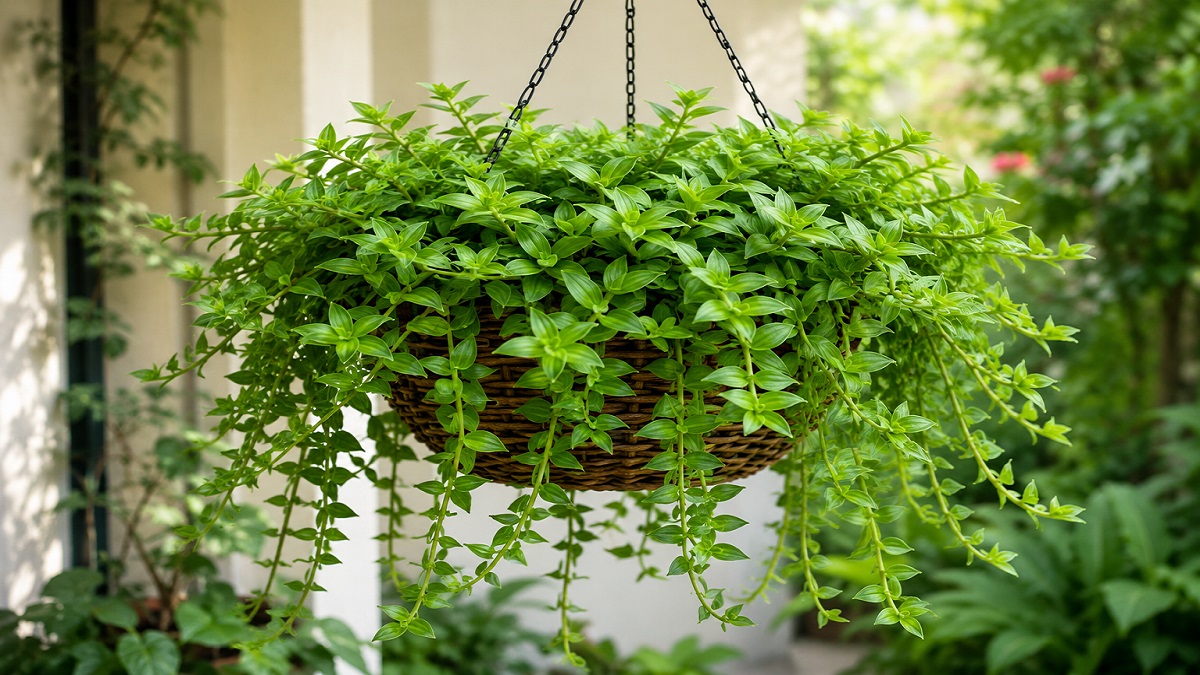
About Basket Plant
The Basket Plant is a popular ornamental houseplant valued for its lush green foliage and trailing growth, making it ideal for hanging baskets, window boxes, and decorative indoor displays. Native to tropical regions of Central America and Mexico, it thrives in warm, humid conditions and bright, indirect sunlight. Its attractive leaves and low-maintenance nature make it a favorite choice for both beginner and experienced plant enthusiasts.
Basket Plants grow best in well-draining soil and require regular watering while allowing the top layer of soil to dry slightly between waterings. They benefit from occasional feeding with a balanced liquid fertilizer during the growing season and can be easily propagated through stem cuttings. With proper care, a Basket Plant adds a vibrant, cascading touch of greenery to homes, offices, balconies, and shaded patios.
Basket Plants are easy to care for and thrive in bright, indirect light, though they can tolerate partial shade. Plant them in well-draining potting soil and water when the top 2–3 cm (1 inch) of soil feels dry. Avoid overwatering, as soggy soil can lead to root rot. They prefer warm temperatures between 18–29°C (65–85°F) and appreciate moderate to high humidity.
Feed the plant with a balanced liquid fertilizer once a month during spring and summer to encourage healthy growth. Trim long or leggy stems regularly to maintain a full, bushy appearance, and remove any yellow or damaged leaves. Basket Plants can be easily propagated from stem cuttings, making it simple to grow new plants or share them with others.
Basket Plants thrive in bright, indirect light, which promotes healthy foliage and compact growth. They can tolerate partial shade, but insufficient light may cause the stems to become leggy and the leaves to lose some of their vibrant color. Avoid placing the plant in harsh, direct afternoon sunlight, as it can scorch the leaves. For indoor growing, place the Basket Plant near an east- or north-facing window, or a few feet away from a bright south- or west-facing window with filtered light. Outdoors, it grows best in a shaded or semi-shaded location where it receives gentle morning sun and protection from intense midday heat.
Basket Plants grow best in well-draining, fertile soil that retains some moisture without becoming waterlogged. A high-quality potting mix enriched with organic matter, such as compost or coco peat, provides the ideal balance of drainage and moisture retention. The soil should be loose and airy to promote healthy root development and prevent root rot. For container-grown plants, use a mix of potting soil, perlite, and coco peat or peat moss to improve drainage and aeration. A slightly acidic to neutral soil with a pH of 6.0–7.0 is ideal for healthy growth.
Basket Plants prefer moderately moist soil but should never sit in waterlogged conditions. Water the plant thoroughly when the top 2–3 cm (1 inch) of soil feels dry to the touch, allowing excess water to drain completely. Reduce watering during winter, as the plant's growth slows and it requires less moisture. Avoid letting the soil dry out completely for extended periods, but also avoid overwatering, which can lead to root rot and yellowing leaves. Consistent watering and good drainage will keep the plant healthy and encourage lush, vibrant foliage.
Basket Plants thrive in warm temperatures between 18–29°C (65–85°F). They are sensitive to cold and should be protected from temperatures below 10°C (50°F), as prolonged exposure can damage the foliage and slow growth. Keep the plant away from cold drafts, air conditioners, and sudden temperature changes. These plants prefer moderate to high humidity (50–70% or higher), which helps maintain healthy, lush leaves. If grown indoors in a dry environment, increase humidity by misting the plant occasionally, placing it on a pebble tray filled with water, or using a humidifier. Good air circulation combined with adequate humidity promotes vigorous growth and reduces the risk of leaf damage.
Feed your Basket Plant with a balanced, water-soluble fertilizer (such as 10-10-10 or 20-20-20) once every 4–6 weeks during the active growing season (spring and summer). Dilute the fertilizer to half the recommended strength to avoid overfeeding and encourage healthy foliage growth. Reduce or stop fertilizing during autumn and winter when the plant's growth naturally slows. Applying compost or organic fertilizer occasionally can also improve soil fertility and support long-term plant health. Avoid excessive fertilizer, as it may cause leaf burn and salt buildup in the soil.
Prune Basket Plants regularly to maintain a compact, bushy shape and encourage healthy new growth. Trim back long, leggy stems using clean, sharp scissors or pruning shears, and remove any yellow, damaged, or dead leaves as they appear. The best time to prune is during spring and summer, when the plant is actively growing. Regular pruning improves air circulation, keeps the plant looking neat, and promotes fuller foliage. Healthy stem cuttings removed during pruning can also be rooted in water or moist potting mix to propagate new Basket Plants.
Basket Plants are easy to propagate through stem cuttings, making it simple to grow new plants. Select a healthy stem with at least 2–3 nodes, cut just below a node, and remove the lower leaves. Place the cutting in water or directly into moist, well-draining potting mix, keeping it in bright, indirect light. Roots usually develop within 2–4 weeks. Once the roots are well established, transplant the cutting into a pot with fresh potting soil and care for it like a mature plant. Propagation is most successful during spring and summer, when the plant is actively growing.
Although Basket Plants can be grown from seeds, they are more commonly propagated through stem cuttings because it is faster and more reliable. If using seeds, sow them in a tray filled with a light, well-draining seed-starting mix. Cover the seeds lightly with soil, mist gently, and keep the growing medium consistently moist but not waterlogged.
Place the seed tray in a warm location (21–27°C / 70–80°F) with bright, indirect light. Seeds typically germinate within 2–4 weeks, depending on the growing conditions. Once the seedlings develop several true leaves and are large enough to handle, transplant them into individual pots filled with a well-draining potting mix.
Plant Basket Plants in a container with drainage holes using a well-draining potting mix enriched with perlite or coco peat to prevent waterlogging. Choose a pot that is only slightly larger than the root ball, as an oversized pot can retain excess moisture and increase the risk of root rot.
Repot the plant every 1–2 years, or when roots begin growing out of the drainage holes or the plant becomes root-bound. The best time to repot is in spring, just before the active growing season. After repotting, water the plant thoroughly and place it in bright, indirect light for a few days to help it recover and establish in its new container.
Basket Plants are not frost-tolerant and should be protected from cold temperatures during winter. If grown outdoors in regions where temperatures fall below 10°C (50°F), move the plant indoors before the first frost. Place it in a location with bright, indirect light and keep it away from cold drafts, heaters, and air-conditioning vents. During winter, reduce watering and allow the top layer of soil to dry slightly between waterings, as the plant's growth slows. Avoid fertilizing until spring, when active growth resumes. Maintaining moderate humidity and stable indoor temperatures will help keep the plant healthy throughout the winter months.
Basket Plants bloom best when they receive bright, indirect light, warm temperatures, and consistent care. Provide at least 6–8 hours of bright light each day, water regularly without overwatering, and feed the plant with a balanced fertilizer during the spring and summer growing season. Keeping the plant slightly root-bound can also encourage flowering in mature plants.
The flowers are typically small, white, and fragrant, appearing on mature plants under favorable conditions. To promote blooming, avoid excessive nitrogen fertilizer, which encourages leafy growth at the expense of flowers. Maintaining warm temperatures, moderate humidity, and removing dead foliage will help the plant stay healthy and increase its chances of producing blooms.
Basket Plants are generally hardy but can occasionally be affected by spider mites, mealybugs, aphids, and scale insects, especially when grown indoors. Inspect the leaves regularly and treat infestations with insecticidal soap or neem oil. Good air circulation and keeping the foliage clean help reduce the risk of pest problems.
The most common disease issue is root rot, which is usually caused by overwatering or poorly drained soil. Other problems include yellowing leaves from excessive watering, brown leaf tips due to low humidity or inconsistent watering, and leggy growth caused by insufficient light. Providing well-draining soil, proper watering, and bright, indirect light will keep the plant healthy and minimize these issues.
Related Guides
Basket Plant FAQs
Is Basket Plant easy to grow indoors?
Yes. Basket Plant is an excellent indoor houseplant because it adapts well to bright, indirect light and requires only moderate watering. Its low-maintenance nature makes it suitable for beginners.
How often should I water a Basket Plant?
Water the plant when the top 2–3 cm (1 inch) of soil feels dry. Water thoroughly, then allow excess water to drain away. Avoid keeping the soil constantly wet, as this can cause root rot.
What is the best light for a Basket Plant?
Basket Plants grow best in bright, indirect sunlight. They can tolerate partial shade, but too little light may result in leggy growth, while intense afternoon sun can scorch the leaves.
Can Basket Plant tolerate direct sunlight?
Gentle morning sun is usually beneficial, but prolonged direct afternoon sunlight should be avoided because it may burn the leaves. Filtered or indirect light produces the healthiest growth.
How do I propagate a Basket Plant?
Basket Plants are easily propagated from stem cuttings. Cut a healthy stem below a node, remove the lower leaves, and place it in water or moist potting mix until roots develop, usually within 2–4 weeks.
Why are my Basket Plant leaves turning yellow?
Yellow leaves are most commonly caused by overwatering or poor drainage. Ensure the pot has drainage holes, allow the soil to dry slightly between waterings, and avoid leaving the plant in standing water.
Does Basket Plant produce flowers?
Yes. Mature Basket Plants can produce small, fragrant white flowers, usually during late spring or summer when they receive sufficient light, warmth, and proper care.
What temperature is best for Basket Plant?
Basket Plants thrive in temperatures between 18–29°C (65–85°F). Protect them from frost and avoid exposing them to temperatures below 10°C (50°F).
When should I repot a Basket Plant?
Repot every 1–2 years or when the roots outgrow the container. Spring is the ideal time for repotting because the plant is entering its active growing season.
What pests commonly affect Basket Plants?
Spider mites, mealybugs, aphids, and scale insects are the most common pests. Regular inspection, good air circulation, and treatment with neem oil or insecticidal soap usually keep infestations under control.