Beneficial Wildlife in the Garden: How to Attract Nature’s Best Helpers
Why Beneficial Wildlife Matters in Gardening
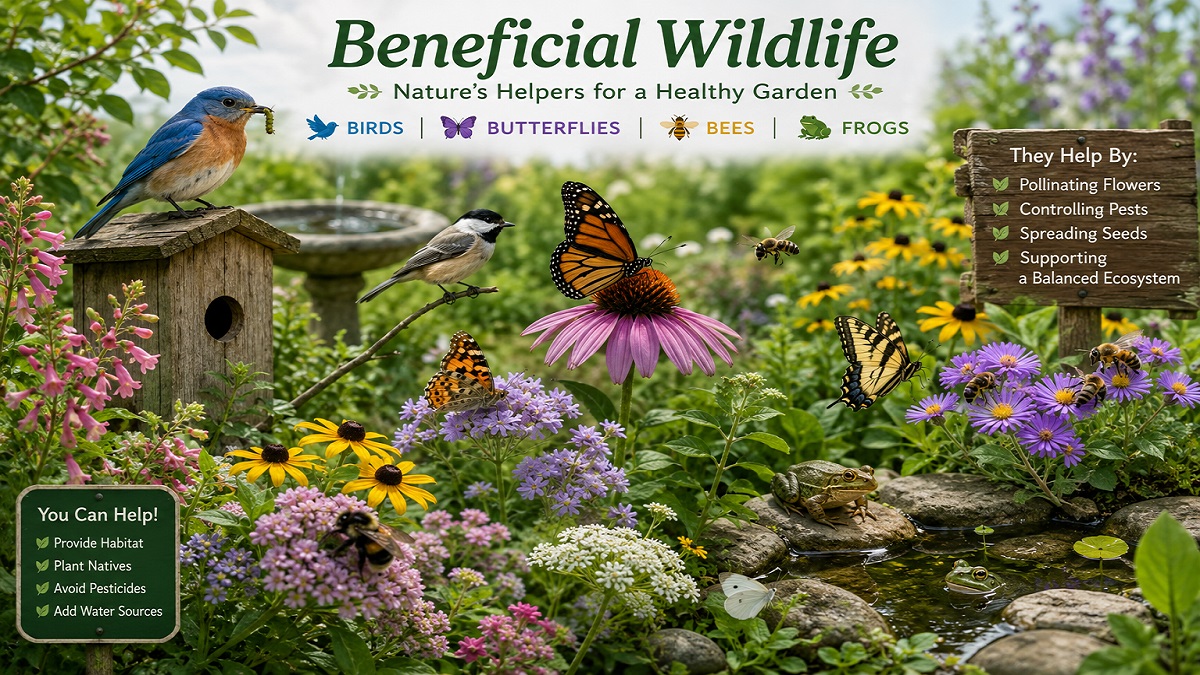
A healthy garden is more than flowers, vegetables, and shrubs. It is a living ecosystem filled with insects, birds, amphibians, pollinators, and microorganisms that work together to keep plants thriving naturally. Beneficial wildlife helps gardeners reduce pests, improve pollination, enrich soil health, and maintain balance without relying heavily on chemicals.
Modern gardening increasingly focuses on sustainability and biodiversity. Instead of treating every insect or animal as a problem, gardeners are learning how important wildlife is for long-term garden success. Bees pollinate vegetables and flowers, birds consume destructive insects, frogs eat mosquitoes and slugs, while earthworms improve soil structure.
Encouraging wildlife in the garden also creates a peaceful outdoor environment filled with movement, birdsong, butterflies, and natural beauty. Even small gardens, balconies, and urban spaces can support wildlife with the right plants and features.
By creating habitats that provide food, water, shelter, and nesting areas, gardeners can attract helpful creatures naturally and build a healthier landscape that benefits both plants and people.
Common Types of Beneficial Wildlife
Many forms of wildlife contribute positively to garden ecosystems. Some help through pollination, while others naturally reduce pest populations or improve soil quality.
| Wildlife | Main Benefit |
|---|---|
| Bees | Pollinate flowers, vegetables, and fruit trees |
| Butterflies | Assist pollination and improve biodiversity |
| Ladybugs | Eat aphids and soft-bodied pests |
| Birds | Control caterpillars, insects, and grubs |
| Frogs & Toads | Consume mosquitoes, slugs, and garden pests |
| Earthworms | Improve soil aeration and fertility |
| Dragonflies | Reduce mosquito populations |
| Spiders | Capture harmful insects naturally |
Pollinators: Essential Garden Helpers
Bees
Bees are among the most valuable creatures in any garden. They transfer pollen between flowers, helping plants produce seeds, fruits, and vegetables. Without pollinators, many crops would struggle to grow successfully.
Native bees, honeybees, and bumblebees are all important pollinators. Gardens with flowering herbs, annuals, fruit trees, and wildflowers are especially attractive to bees.
Butterflies
Butterflies add beauty while also helping with pollination. Their presence usually indicates a healthy environment free from excessive pesticide use. Butterfly-friendly gardens often include nectar-rich flowers and host plants for caterpillars.
Moths
Although often overlooked, moths are important nighttime pollinators. Many flowering plants rely on moths after sunset. Gardens that include evening-blooming flowers help support moth populations.
How to Attract Pollinators
- Plant flowers with different bloom times
- Choose native flowering plants
- Avoid chemical pesticides
- Provide shallow water dishes
- Grow herbs such as basil, lavender, thyme, and mint
- Allow some plants to flower naturally
Birds as Natural Pest Controllers
Birds are excellent allies for gardeners because many species feed on insects, caterpillars, grubs, and beetles that damage plants. A single family of birds can consume thousands of insects during nesting season.
Songbirds, wrens, robins, and sparrows often patrol gardens searching for pests. Some birds also help spread seeds and improve biodiversity within the landscape.
Creating a Bird-Friendly Garden
- Install bird feeders and bird baths
- Plant berry-producing shrubs
- Provide nesting boxes
- Leave some shrubs dense for shelter
- Grow native trees and hedges
Fresh water is especially important for attracting birds during hot weather. Even a small bird bath can bring frequent visitors into the garden.
Beneficial Insects for Natural Pest Control
Ladybugs
Ladybugs are famous for feeding on aphids, one of the most common garden pests. Both adult ladybugs and larvae consume large numbers of soft-bodied insects.
Lacewings
Green lacewings are another excellent beneficial insect. Their larvae feed on aphids, whiteflies, mealybugs, and mites.
Praying Mantises
Praying mantises hunt a wide range of insects and can help reduce pest populations naturally. They are fascinating predators that thrive in diverse gardens.
Ground Beetles
Ground beetles live near soil level and feed on slugs, cutworms, and insect eggs. Mulched beds and natural garden areas provide ideal habitats for them.
Hoverflies
Hoverflies resemble small bees and are important pollinators. Their larvae also consume aphids, making them highly beneficial in vegetable gardens.
Amphibians and Reptiles in the Garden
Frogs, toads, and some reptiles play an important role in balancing garden ecosystems. They feed on insects, mosquitoes, slugs, and other pests that damage plants.
Frogs and Toads
Toads are especially valuable because they consume pests during nighttime hours. Gardens with damp hiding places, ponds, or shaded mulch beds often attract amphibians naturally.
Garden Lizards
Lizards feed on insects and small pests while adding biodiversity to the landscape. Rock piles and warm sunny areas create suitable habitats for them.
Creating Amphibian Habitats
- Add a small pond or water feature
- Use natural mulch
- Provide shady hiding spots
- Avoid pesticides and harsh chemicals
- Keep part of the garden slightly wild
Earthworms and Soil Life
Healthy soil contains countless living organisms that support plant growth. Earthworms are among the most beneficial because they improve soil aeration, drainage, and nutrient availability.
As earthworms tunnel through soil, they loosen compacted ground and help roots grow more easily. Their castings also provide valuable nutrients that improve soil fertility naturally.
Compost, mulch, and organic matter encourage earthworm activity. Gardens with rich living soil tend to produce stronger plants that resist pests and disease more effectively.
How to Encourage Healthy Soil Wildlife
- Add compost regularly
- Reduce synthetic chemical use
- Keep soil covered with mulch
- Avoid excessive digging
- Use organic gardening methods
Creating Wildlife Habitats in the Garden
Wildlife-friendly gardens succeed when they provide the basic needs of animals and insects. These include food, water, shelter, and breeding spaces.
Plant Diversity
Growing a variety of plants increases biodiversity and attracts different types of wildlife. Native plants are especially valuable because local wildlife evolved alongside them.
Water Sources
Water features attract birds, pollinators, amphibians, and insects. Even small containers filled with clean water can support wildlife during dry weather.
Shelter Areas
Wildlife needs safe places to hide from predators and weather. Shrubs, hedges, log piles, leaf litter, and tall grasses all provide valuable shelter.
Wild Corners
Leaving one section of the garden slightly untidy creates habitat for insects, frogs, and nesting birds. Wild areas often become biodiversity hotspots.
Plants That Attract Beneficial Wildlife
Certain plants are especially effective at attracting pollinators and helpful insects. Combining flowering plants, herbs, shrubs, and native species creates a balanced ecosystem.
| Plant | Wildlife Attracted |
|---|---|
| Lavender | Bees and butterflies |
| Sunflowers | Birds and pollinators |
| Milkweed | Butterflies |
| Coneflowers | Bees and birds |
| Marigolds | Beneficial insects |
| Basil | Pollinators |
| Berry Shrubs | Birds |
| Native Wildflowers | Wide range of wildlife |
Avoiding Harm to Beneficial Wildlife
Many gardening practices unintentionally harm wildlife. Chemical pesticides, excessive lawn maintenance, and habitat removal reduce biodiversity and weaken garden ecosystems.
Reduce Chemical Use
Broad-spectrum pesticides kill beneficial insects along with harmful pests. Organic pest control methods are safer for pollinators and wildlife.
Avoid Over-Cleaning the Garden
Removing all leaves and plant debris eliminates shelter for insects and amphibians. Leaving some natural material supports overwintering wildlife.
Use Native Plants
Native plants generally require less water and provide better support for local pollinators, birds, and insects.
Protect Water Sources
Clean water is essential for wildlife survival. Avoid contaminating ponds or bird baths with chemicals.
Benefits of Wildlife-Friendly Gardening
Wildlife-friendly gardens provide environmental, practical, and emotional benefits. They create healthier growing spaces while reducing maintenance and chemical dependency.
- Natural pest control reduces pesticide use
- Improved pollination increases harvests
- Greater biodiversity creates ecosystem balance
- Healthier soil supports stronger plants
- Gardens become more visually attractive
- Birdsong and butterflies enhance relaxation
- Children learn about nature and ecology
Even small changes such as planting flowers for bees or adding a bird bath can make a meaningful difference for local wildlife populations.
Conclusion
Beneficial wildlife transforms gardens into thriving ecosystems filled with life, movement, and natural balance. Birds, pollinators, insects, frogs, and soil organisms each contribute unique advantages that improve plant health and reduce pest problems naturally.
By planting diverse flowers, providing water and shelter, avoiding harmful chemicals, and encouraging biodiversity, gardeners can create spaces that support both nature and productivity.
Wildlife-friendly gardening is not only good for the environment but also rewarding for gardeners who enjoy healthier plants, colorful pollinators, and peaceful outdoor spaces alive with natural activity.