Best Flowers for Pollinators: Create a Beautiful Garden Full of Life
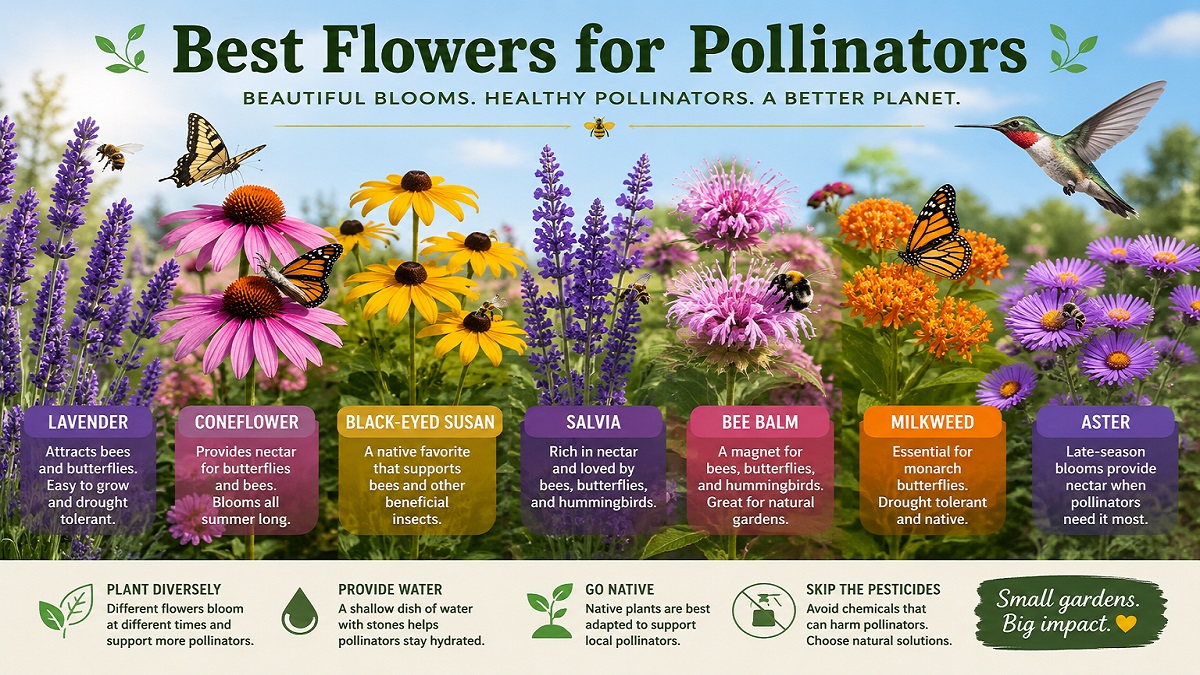
Pollinators are among the most important visitors in any garden. Bees, butterflies, hummingbirds, moths, and beneficial insects help plants reproduce by transferring pollen from one flower to another. Without pollinators, many fruits, vegetables, herbs, and flowering plants would struggle to survive.
Creating a pollinator-friendly garden is one of the best ways to support local ecosystems while also enjoying a vibrant outdoor space filled with color, movement, and life. The right flowers provide nectar and pollen throughout the growing season, helping pollinators thrive from spring through fall.
Whether you have a large backyard, a cottage garden, raised beds, or even containers on a balcony, planting pollinator-friendly flowers can transform your outdoor space into a valuable habitat for wildlife. In this guide, you will discover the best flowers for pollinators, how to design a thriving pollinator garden, and simple ways to attract more beneficial insects naturally.
Why Pollinators Matter in the Garden
Pollinators play a critical role in healthy ecosystems and food production. More than just pretty garden visitors, they support biodiversity and improve crop yields in home gardens and farms alike.
Benefits of Pollinators
- Increase fruit and vegetable production
- Support healthy ecosystems and biodiversity
- Help flowering plants reproduce naturally
- Encourage stronger and healthier garden growth
- Provide natural balance within the environment
Many pollinator populations have declined due to habitat loss, pesticides, and climate changes. By planting nectar-rich flowers, gardeners can create safe feeding areas that support pollinator health and survival.
What Makes a Flower Good for Pollinators?
Not all flowers provide equal benefits for pollinators. The best pollinator plants offer easy access to nectar and pollen while blooming for long periods throughout the growing season.
Characteristics of Pollinator-Friendly Flowers
- Rich nectar and pollen supply
- Bright colors like purple, yellow, blue, orange, and pink
- Single blooms instead of heavily double-petaled flowers
- Long blooming periods
- Native plant varieties adapted to local pollinators
Native flowers are especially valuable because local bees, butterflies, and birds evolved alongside these plants. Native species often require less maintenance, less water, and fewer chemicals compared to exotic ornamentals.
Best Flowers for Bees
Bees are among the most effective pollinators in the garden. Honey bees, bumblebees, and solitary native bees rely on flowers rich in nectar and pollen to survive.
Lavender
Lavender produces fragrant purple flower spikes that attract bees throughout summer. Its long blooming period makes it one of the top choices for pollinator gardens. Lavender also tolerates drought and thrives in sunny conditions.
Bee Balm
Bee balm is famous for attracting bees, butterflies, and hummingbirds. Its bright tubular flowers bloom in shades of red, pink, and purple while adding a cottage garden appearance.
Sunflowers
Sunflowers provide pollen for bees while also producing seeds for birds later in the season. Their large blooms create a bold visual impact in summer gardens.
Borage
Borage features star-shaped blue flowers that bees absolutely love. This easy-to-grow annual self-seeds readily and improves pollinator activity near vegetable gardens.
Coneflowers
Coneflowers, also known as echinacea, are hardy perennials that attract bees and butterflies. Their daisy-like blooms provide nectar for months during summer and early fall.
Best Flowers for Butterflies
Butterflies prefer flat-topped flowers where they can easily land while feeding. Many butterfly-friendly flowers also support caterpillars as host plants.
Milkweed
Milkweed is essential for monarch butterflies because caterpillars feed exclusively on its leaves. The flowers also provide abundant nectar for many pollinators.
Zinnias
Zinnias bloom continuously from summer until frost and attract butterflies with their bright colors and open blooms. They are easy to grow from seed and ideal for beginner gardeners.
Black-Eyed Susan
These cheerful yellow flowers bloom heavily during summer and attract butterflies as well as bees. They tolerate heat and drought once established.
Lantana
Lantana produces clusters of brightly colored flowers rich in nectar. Butterflies are strongly drawn to its long-lasting blooms.
Asters
Asters bloom later in the season, providing important nectar for migrating butterflies and late-season bees when many other flowers fade.
Best Flowers for Hummingbirds
Hummingbirds are attracted to tubular flowers rich in nectar, especially blooms in red, pink, and orange shades.
Salvia
Salvia produces tall spikes of tubular flowers perfect for hummingbirds. Many varieties bloom continuously from spring through autumn.
Trumpet Vine
This vigorous climbing plant produces trumpet-shaped flowers that hummingbirds love. It works well on fences, trellises, and pergolas.
Petunias
Petunias attract hummingbirds while also adding cascading color to containers and hanging baskets.
Foxglove
Foxglove flowers create dramatic vertical interest in cottage gardens while attracting hummingbirds and bees alike.
Best Native Flowers for Pollinators
Native flowers are often the most beneficial choice for pollinators because they naturally support local wildlife species.
| Flower | Main Pollinators | Bloom Season |
|---|---|---|
| Milkweed | Monarch butterflies, bees | Summer |
| Purple Coneflower | Bees, butterflies | Summer |
| Goldenrod | Native bees, butterflies | Late summer |
| Blazing Star | Butterflies, bees | Summer |
| Joe-Pye Weed | Butterflies, bees | Late summer |
Native plant gardens usually require less fertilizer and watering while supporting far more wildlife than traditional ornamental landscapes.
How to Create a Pollinator Garden
A successful pollinator garden combines diverse flowers, natural habitats, and environmentally friendly gardening practices.
Plant for Continuous Blooms
Choose flowers that bloom in different seasons so pollinators have food available from spring through fall.
Use Plant Diversity
Grow flowers in different shapes, sizes, and colors to attract a wide range of pollinators.
Avoid Pesticides
Chemical pesticides can harm bees, butterflies, and other beneficial insects. Use natural pest control methods whenever possible.
Add Water Sources
Pollinators need water for survival. A shallow dish with stones or a small birdbath provides a safe drinking area.
Leave Some Wild Areas
Pollinators often nest in natural spaces such as leaf litter, hollow stems, or patches of bare soil. Leaving a small wild corner in the garden supports biodiversity.
Best Seasonal Flowers for Pollinators
Spring Flowers
- Crocus
- Tulips
- Lungwort
- Phlox
Summer Flowers
- Lavender
- Sunflowers
- Zinnias
- Bee balm
Fall Flowers
- Asters
- Goldenrod
- Sedum
- Joe-Pye weed
Seasonal planning ensures pollinators always have a reliable food source throughout the year.
Container Flowers for Small Pollinator Gardens
Even small spaces can support pollinators. Balconies, patios, rooftops, and apartment gardens become pollinator havens when planted with nectar-rich flowers.
Best Container Flowers
- Petunias
- Marigolds
- Verbena
- Lantana
- Salvia
Use containers with good drainage and place them in sunny locations where pollinators can easily access blooms.
Common Mistakes to Avoid
Using Too Many Chemicals
Pesticides and herbicides can kill beneficial insects along with pests. Organic gardening methods are safer for pollinators.
Planting Only One Flower Type
A diverse garden attracts more pollinator species and provides food over a longer season.
Choosing Double Blooms
Highly ornamental double flowers often hide nectar and pollen, making them less useful for pollinators.
Ignoring Native Plants
Native flowers provide the most effective support for local pollinator populations and wildlife.
Benefits of a Pollinator Garden Beyond Flowers
Pollinator gardens offer far more than beautiful blooms. They create healthier ecosystems and improve the overall environment.
- Increase vegetable and fruit harvests
- Support birds and beneficial insects
- Improve biodiversity
- Create relaxing outdoor spaces
- Reduce reliance on chemicals
- Help conserve endangered pollinators
Gardens filled with pollinator-friendly flowers quickly become lively, colorful spaces full of buzzing bees, fluttering butterflies, and singing birds.
Frequently Asked Questions
Final Thoughts
Planting flowers for pollinators is one of the most rewarding ways to improve your garden while helping nature. A pollinator-friendly garden supports bees, butterflies, hummingbirds, and beneficial insects that play an essential role in healthy ecosystems.
By choosing nectar-rich flowers, planting native species, avoiding harmful chemicals, and creating year-round blooms, you can transform even the smallest outdoor space into a thriving wildlife sanctuary.
Whether you grow lavender in containers, create a butterfly border filled with milkweed, or design a full native wildflower garden, every pollinator-friendly plant helps make the environment healthier and more vibrant.